
Experiencing panic attacks can be a frightening and overwhelming experience. However, there are coping strategies that you can use to help manage and reduce the intensity of your panic attacks. One effective strategy is practicing deep breathing exercises to help calm your body's response to a panic attack. You can also try repeating affirmations to yourself to shift your focus from fear to a more positive mindset. Another helpful technique is to ground yourself by focusing on your immediate surroundings and engaging your senses. For more tips and guidance on coping with panic attacks, check out this informative article on 11 tips for coping with an anxiety disorder from Mayo Clinic.
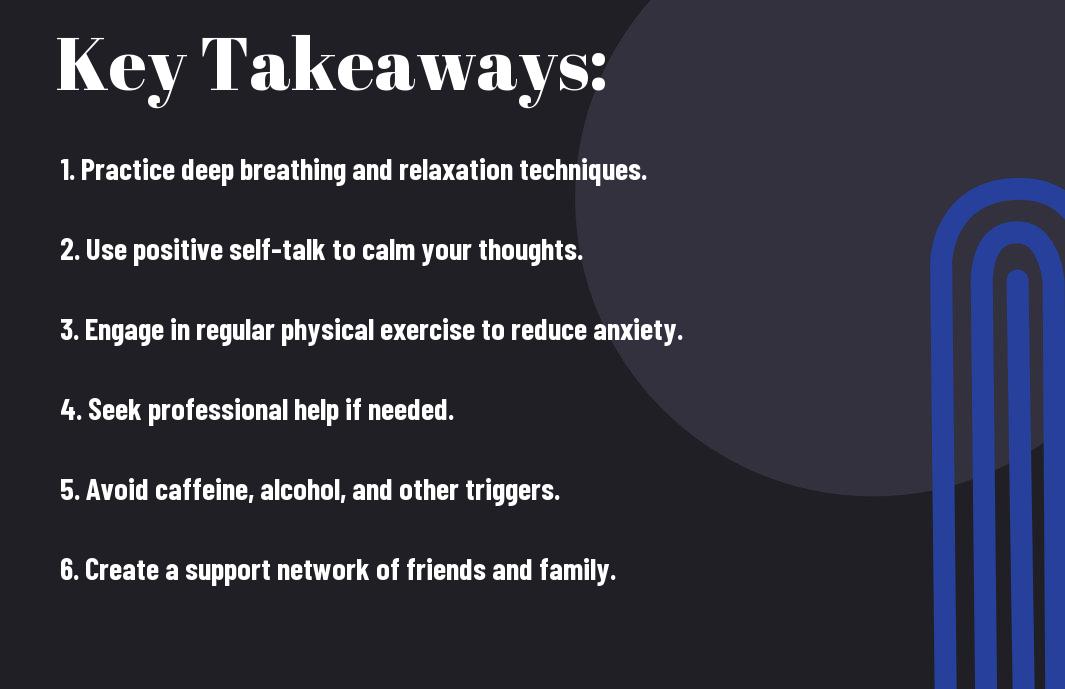
Key Takeaways:
- Education: Understanding what panic attacks are and learning about the symptoms can help in managing and coping with them effectively.
- Deep Breathing: Practicing deep breathing exercises can help in regulating the body's response to panic attacks and reduce feelings of anxiety.
- Grounding Techniques: Engaging in grounding techniques such as mindfulness, meditation, or focusing on the present moment can help in managing panic attacks.
- Seeking Support: Talking to a trusted friend, family member, or mental health professional can provide support and guidance in coping with panic attacks.
- Identifying Triggers: Recognizing and avoiding triggers that may lead to panic attacks can help in preventing them from occurring.
- Physical Activity: Engaging in regular physical exercise can help in reducing stress and anxiety, which may contribute to the occurrence of panic attacks.
- Medication and Therapy: Seeking professional help from a therapist or psychiatrist can provide effective coping strategies, including medication and therapy, for managing panic attacks.
Recognizing the Signs of a Panic Attack
One of the first steps in effectively coping with panic attacks is to recognize the signs that one might be approaching. You may experience a wide range of physical and psychological symptoms, and being able to identify these early on can help you take steps to manage them. For more information on managing anxiety and panic attacks, you can check out this helpful resource on Coping Skills for Anxiety and Panic Attacks.
Physical Symptoms
During a panic attack, you may experience intense physical symptoms such as heart palpitations, sweating, trembling, and shortness of breath. You may also feel a sense of impending doom or that you are losing control. It's important to recognize these physical symptoms as signs of a panic attack so that you can take steps to manage them effectively. If you experience these physical symptoms, it's crucial to practice deep breathing exercises and find a quiet, safe space to ground yourself and regain control of your breathing.
Psychological Symptoms
Alongside the physical symptoms, panic attacks can also manifest with psychological symptoms such as intense fear, a feeling of detachment from reality, or a sense of impending danger. You might feel like you are going crazy or about to die. It's important to remember that these psychological symptoms are a natural response to the intense physical sensations, and they will pass. However, it's crucial to recognize these psychological symptoms as part of a panic attack so that you can take steps to manage them effectively, such as practicing mindfulness and grounding techniques.
Immediate Coping Techniques
Now, let's talk about some immediate coping techniques that you can use to manage a panic attack as it is happening. These techniques are designed to help you regain control over your body and mind, and to reduce the intensity of the panic attack.
Controlled Breathing
When you experience a panic attack, your breathing becomes rapid and shallow, which can further exacerbate your feelings of panic. One effective way to combat this is through controlled breathing. You can practice this by taking long, deep breaths in through your nose, holding it for a few seconds, and then exhaling slowly through your mouth. This technique helps to regulate your breathing and can calm your nervous system, providing a sense of relief and relaxation during a panic attack.
Grounding Methods
During a panic attack, it's common to feel disoriented and detached from reality. Grounding methods can help bring you back to the present moment and provide a sense of stability. One grounding technique involves focusing on your surroundings by identifying and describing things you can see, hear, touch, and smell. This helps to anchor you in the present and counteracts the feelings of dissociation that often accompany panic attacks.
Long-Term Management Strategies
To effectively manage panic attacks in the long term, it's important to adopt certain coping strategies and make lifestyle changes to minimize triggers. In addition, seeking professional therapy options can provide the necessary support and guidance to help you navigate through panic attacks and prevent them from taking control of your life.
Lifestyle Changes
One of the most effective long-term management strategies for dealing with panic attacks is making lifestyle changes. This may include incorporating regular exercise into your routine, practicing relaxation techniques such as deep breathing or meditation, and prioritizing self-care. It's also important to reduce or eliminate your consumption of caffeine, alcohol, and nicotine, as these substances can exacerbate anxiety and trigger panic attacks. Additionally, getting an adequate amount of sleep and maintaining a healthy diet can play a significant role in reducing the frequency and severity of panic attacks.
Professional Therapy Options
Seeking professional therapy options, such as cognitive-behavioral therapy (CBT) or exposure therapy, can be highly effective in managing panic attacks in the long term. Through therapy, you can learn how to identify and challenge negative thought patterns and behaviors that contribute to panic attacks. Additionally, therapy provides a safe space for you to explore and address the underlying causes of your anxiety, allowing you to develop healthy coping mechanisms and resilience to prevent future episodes. In severe cases, your healthcare provider may also recommend medication as part of your treatment plan to help manage your symptoms and provide relief from panic attacks. It's important to consult with a qualified mental health professional to determine the most appropriate therapy options for your individual needs.

Support Systems and Resources
Lastly, in addition to self-help techniques, it's important to recognize the value of support systems and resources available to you. Here are some ways to find the support you need to cope with panic attacks.
Building a Support Network
Building a support network is essential when it comes to coping with panic attacks. Reach out to trustworthy friends and family members who can provide comfort and understanding during difficult times. You may also consider joining a support group or seeking professional help from a therapist or counselor. Connecting with others who have similar experiences can provide empathy, reassurance, and valuable coping strategies to help you manage panic attacks more effectively.
Utilizing Online and Community Resources
In addition to traditional support systems, you can also turn to online and community resources for assistance. Online forums, websites, and social media groups can offer a sense of community and a platform for sharing experiences and advice. You can also explore resources such as 10 Tips and Tricks To Follow If You Are Having A Panic ... to learn more about coping strategies and connect with others facing similar challenges. Engaging with these resources can provide educational materials, emotional support, and a sense of belonging that can be invaluable in your journey to manage panic attacks.
Effective Coping Strategies for Dealing with Panic Attacks
Following this discussion, it is clear that there are several effective coping strategies for dealing with panic attacks. It is important to recognize the signs and symptoms of a panic attack, and to practice deep breathing and relaxation techniques to help calm your mind and body. Additionally, engaging in regular physical exercise, maintaining a healthy diet, and seeking professional help when needed are vital for managing panic attacks. It is crucial to remember that everyone's experience with panic attacks is unique, and finding the right coping strategies may require some trial and error. However, with persistence and determination, you can learn to effectively cope with panic attacks and regain a sense of control over your life.
FAQ about Coping Strategies for Dealing with Panic Attacks
Q: What are panic attacks?
A: Panic attacks are sudden, intense periods of overwhelming fear and physical symptoms such as shortness of breath, heart palpitations, and chest pain. They can be debilitating and often occur without warning.
Q: What are some effective coping strategies for dealing with panic attacks?
A: Some effective coping strategies for dealing with panic attacks include deep breathing exercises, mindfulness meditation, seeking professional help such as therapy or medication, and practicing relaxation techniques such as progressive muscle relaxation.
Q: How can deep breathing exercises help during a panic attack?
A: Deep breathing exercises can help during a panic attack by reducing the intensity of physical symptoms and promoting relaxation. By focusing on slow, deep breaths, individuals can help regulate their breathing patterns and calm their nervous system.
Q: What is mindfulness meditation and how can it help with panic attacks?
A: Mindfulness meditation involves focusing on the present moment without judgment. It can help with panic attacks by teaching individuals to observe their thoughts and bodily sensations without becoming overwhelmed by them, thus reducing the impact of panic attacks.
Q: When should someone seek professional help for panic attacks?
A: It is important for individuals experiencing panic attacks to seek professional help if the attacks are significantly disrupting their daily life, causing distress, or leading to avoidance of certain situations or places. A mental health professional can provide a proper diagnosis and develop an appropriate treatment plan.
Q: What are relaxation techniques, and how can they help with panic attacks?
A: Relaxation techniques such as progressive muscle relaxation, visualization, and guided imagery can help with panic attacks by promoting a state of physical and mental relaxation. These techniques can reduce the overall anxiety and stress levels, making panic attacks less frequent and less severe.
Q: Are there any lifestyle changes that can help in coping with panic attacks?
A: Yes, maintaining a healthy lifestyle by getting regular exercise, practicing good sleep hygiene, avoiding alcohol, caffeine, and nicotine, and managing stress through activities such as yoga or tai chi can all contribute to reducing the frequency and intensity of panic attacks.