
Key Takeaways:
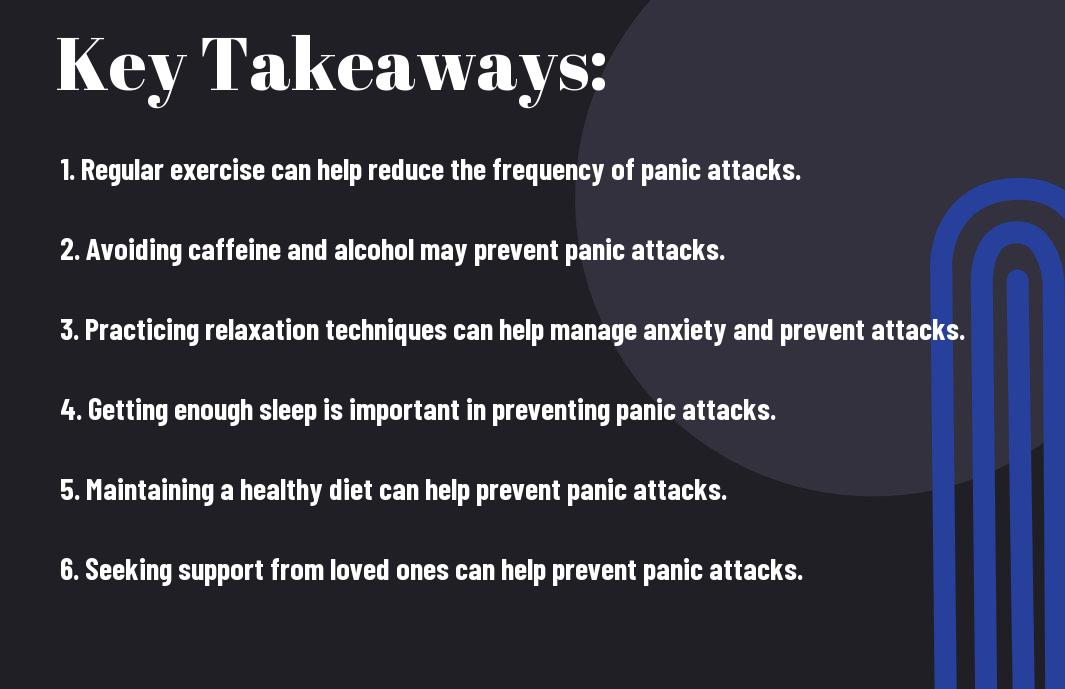
- Lifestyle changes can help prevent panic attacks: Making positive lifestyle changes such as regular exercise, healthy diet, adequate sleep, and stress management techniques can help reduce the likelihood of experiencing panic attacks.
- Regular exercise: Engaging in physical activity has been shown to reduce anxiety and the symptoms of panic attacks. Aim for at least 30 minutes of moderate exercise most days of the week.
- Healthy diet: Eating a balanced diet rich in fruits, vegetables, lean proteins, and whole grains can positively impact mental health and reduce the risk of panic attacks.
- Adequate sleep: Prioritizing good sleep hygiene and getting at least 7-9 hours of sleep per night can improve overall mental well-being and help prevent panic attacks.
- Stress management techniques: Practices such as mindfulness meditation, deep breathing exercises, and yoga can help reduce stress and anxiety, lowering the risk of panic attacks.
- Avoiding substance misuse: Limiting or avoiding alcohol, caffeine, and recreational drugs can help prevent triggering panic attacks.
- Seeking professional help: If lifestyle changes alone are not enough to prevent panic attacks, it's important to seek professional help from a mental health professional for additional support and guidance.
Identifying Triggers
Some lifestyle changes can be particularly effective in preventing panic attacks. A key factor in preventing panic attacks is identifying and managing your triggers. Triggers are situations or events that can cause you to experience overwhelming anxiety and panic. Identifying and understanding your triggers can help you take proactive steps to avoid or manage these situations, thus reducing the likelihood of a panic attack. If you are unsure about what triggers your panic attacks, it is important to consult with a healthcare professional. You can learn more about panic attacks and panic disorder here.
Common Panic Attack Triggers
Common triggers for panic attacks can include stress, certain phobias (such as agoraphobia or specific phobias), traumatic events, and even certain medications or substances. It's important to recognize that everyone's triggers can be different, so it's essential to identify your own specific triggers in order to effectively manage and prevent panic attacks.
Personal Trigger Assessment
Conducting a personal trigger assessment can help you identify the specific situations or events that tend to trigger your panic attacks. You can start by keeping a journal to track your panic attacks and note any patterns or commonalities among the situations in which they occur. Reflecting on your emotional state, physical environment, and any particular stressors present during these times can help you pinpoint your triggers and take the necessary steps to avoid or manage them.
Nutrition and Diet
To maintain a healthy mental state and potentially prevent panic attacks, you should pay attention to your nutrition and diet. According to the Mayo Clinic, what you eat can have an impact on your anxiety levels. To learn more about how diet can make a difference in coping with anxiety, you can read the article 'Coping with anxiety: Can diet make a difference?'
Foods that May Reduce Anxiety
There are certain foods that have been shown to have a calming effect on the body and mind. These include foods rich in omega-3 fatty acids such as salmon, chia seeds, and walnuts. Additionally, foods high in antioxidants, such as berries and dark chocolate, may help reduce symptoms of anxiety. Including these foods in your diet can have a positive impact on your mental well-being and potentially help prevent panic attacks.
Foods and Substances to Avoid
On the other hand, consuming certain foods and substances may exacerbate anxiety symptoms and increase the risk of panic attacks. For example, high consumption of caffeine and alcohol can disrupt your sleep and contribute to feelings of anxiety. Additionally, processed foods and those high in refined sugars may lead to fluctuations in blood sugar levels, affecting your mood and potentially triggering panic attacks. It is important to be mindful of your diet and consider reducing or eliminating these potentially harmful substances to maintain a balanced mental state and reduce the risk of panic attacks.
Exercise and Relaxation Techniques
After experiencing a panic attack, you may be wondering if there are lifestyle changes you can make to prevent future occurrences. One approach is to incorporate regular exercise and relaxation techniques into your daily routine. These practices have been shown to have a positive impact on anxiety levels and can help you manage stress more effectively.The Role of Physical Activity in Anxiety Prevention
When you engage in regular physical activity, you are not only improving your physical health, but you are also benefiting your mental well-being. Exercise releases endorphins, which are hormones that act as natural painkillers and can improve your mood. Additionally, exercise can help reduce the symptoms of anxiety by providing an outlet for pent-up energy and tension. By incorporating regular exercise into your routine, you can reduce your overall anxiety levels and lower your risk of experiencing panic attacks.
Mindfulness and Stress Management Practices
Mindfulness and stress management practices can also play a crucial role in preventing panic attacks. By incorporating techniques such as deep breathing, meditation, and yoga into your daily routine, you can learn to manage stress more effectively and cultivate a greater sense of calm and relaxation. These practices can help you become more aware of your body and mind, allowing you to recognize and address any signs of anxiety before they escalate into a full-blown panic attack. By incorporating these techniques into your daily routine, you can improve your overall well-being and reduce your risk of experiencing panic attacks.
Sleep and Schedule Management
Now let's delve into the impact of sleep and schedule management on preventing panic attacks. Proper sleep and managing your daily schedule can significantly affect your mental health and reduce the likelihood of experiencing panic attacks. In this chapter, we will discuss how establishing a healthy sleep routine and structuring your day for reduced stress can make a difference in managing anxiety.
Establishing a Healthy Sleep Routine
Ensuring you have a consistent sleep schedule is crucial for your mental well-being. Aim to go to bed and wake up at the same time every day, even on weekends. This helps regulate your body's internal clock and can improve the quality of your sleep. Additionally, create a calming bedtime routine, such as reading or meditating, to signal to your body that it's time to wind down. Avoiding stimulants like caffeine and electronic devices before bedtime can also help you fall asleep more easily and stay asleep throughout the night.
Structuring Your Day for Reduced Stress
Managing your daily schedule in an organized and efficient manner can reduce stress and prevent overwhelming feelings that may trigger panic attacks. Break your tasks into smaller, manageable components to avoid feeling overwhelmed. Incorporate regular breaks and relaxation periods into your day to give your mind and body a chance to recharge. Prioritize your tasks and set realistic goals for each day to prevent feeling a sense of failure or falling behind. By structuring your day in a way that reduces stress, you can create a more harmonious environment for your mental well-being.
Support Systems and Professional Help
Lastly, it's important to recognize the power of support systems and professional help in managing and preventing panic attacks. Your support network plays a crucial role in providing emotional, psychological, and practical support to help you cope with the challenges of panic attacks. Additionally, seeking professional help can equip you with the necessary tools and strategies to manage your symptoms effectively. Let's explore the significance of support systems and professional help in more detail.
The Power of a Supportive Network
Your support network can include family, friends, support groups, or online communities. Supportive individuals can offer empathy, understanding, and validation, which are essential for your emotional well-being. Having a strong support system can also provide a sense of security and comfort during times of distress. Additionally, your support network can offer practical assistance, such as accompanying you to therapy sessions or helping you maintain a healthy lifestyle. Connecting with people who understand your experiences can greatly improve your ability to manage panic attacks.
When to Seek Professional Advice
If your panic attacks significantly interfere with your daily life or if you experience intense and prolonged symptoms, it's crucial to seek professional advice. A mental health professional, such as a therapist or psychiatrist, can provide an accurate diagnosis and develop a tailored treatment plan for you. Don't hesitate to seek professional help if your symptoms are overwhelming or if you feel unable to manage them on your own. Professional guidance and support can empower you to address the root causes of your panic attacks and learn effective coping strategies.

Can certain lifestyle changes help prevent panic attacks?
With this in mind, it is important to recognize that making certain lifestyle changes can indeed help prevent panic attacks. By implementing practices such as regular exercise, maintaining a healthy diet, getting enough sleep, and incorporating stress management techniques into your daily routine, you can significantly reduce the likelihood of experiencing panic attacks. Additionally, avoiding excessive caffeine, alcohol, and recreational drugs can also be beneficial in preventing these episodes. For more information on managing panic attacks, you can visit Panic Attack.
FAQ
Q: What lifestyle changes can help prevent panic attacks?
A: Lifestyle changes such as regular exercise, stress management techniques, a healthy diet, and adequate sleep can help reduce the frequency and severity of panic attacks.
Q: How can regular exercise help prevent panic attacks?
A: Regular exercise can help reduce anxiety and stress, which are common triggers for panic attacks. It also promotes the release of endorphins, which are natural mood lifters.
Q: What are some stress management techniques that can help prevent panic attacks?
A: Stress management techniques such as mindfulness meditation, deep breathing exercises, and progressive muscle relaxation can help reduce overall stress levels and decrease the likelihood of panic attacks.
Q: How does a healthy diet play a role in preventing panic attacks?
A: A balanced diet that includes plenty of fruits, vegetables, whole grains, and lean proteins can help regulate blood sugar levels and support overall mental and emotional well-being, which can in turn reduce the risk of panic attacks.
Q: Why is adequate sleep important for preventing panic attacks?
A: Lack of sleep can increase stress and anxiety levels, making a person more susceptible to panic attacks. Getting enough restful sleep each night is essential for maintaining mental and emotional balance.
Q: Can reducing caffeine and alcohol intake help prevent panic attacks?
A: Yes, both caffeine and alcohol can trigger or exacerbate anxiety and panic attacks. Limiting or avoiding these substances can help reduce the risk of experiencing panic attacks.
Q: How can social support and healthy relationships impact the prevention of panic attacks?
A: Having a strong support system and healthy relationships can provide emotional security and reduce feelings of isolation, which can help lower the risk of panic attacks. Seeking help from friends, family, or a therapist can be beneficial in preventing panic attacks.