
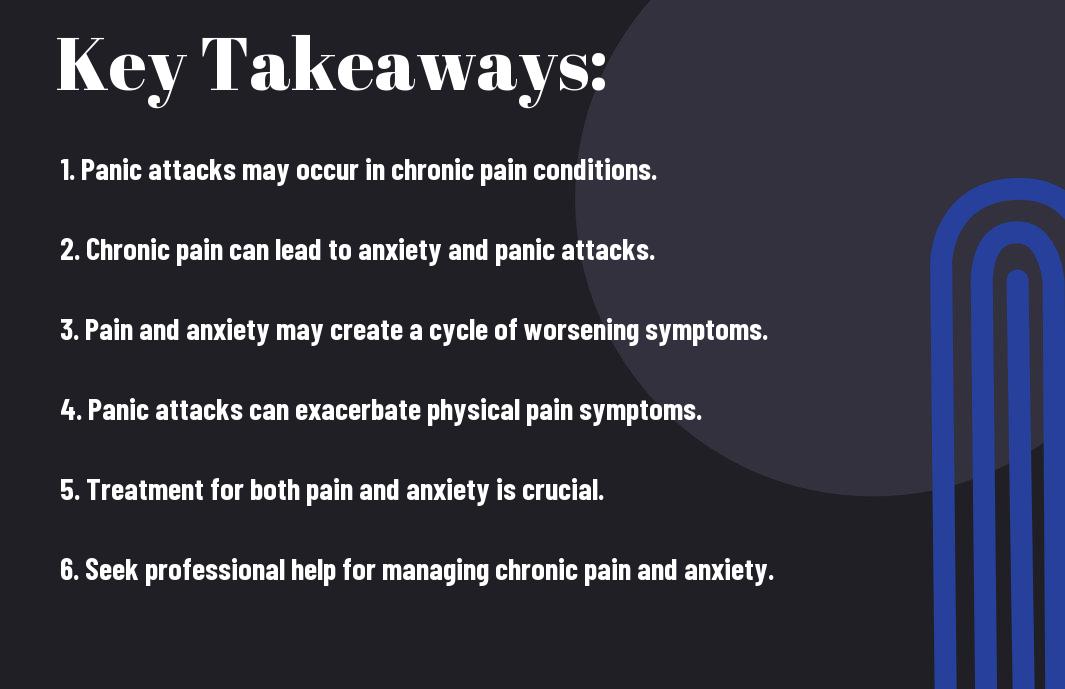
Key Takeaways:
- Panic attacks may be a symptom: Individuals with chronic pain conditions such as fibromyalgia, arthritis, or migraines may experience panic attacks as a result of their physical discomfort.
- Neurological and psychological factors: Chronic pain can affect the brain's pathways and cause changes to neurotransmitters, leading to anxiety and panic attacks.
- Physical symptoms can trigger panic: The constant physical discomfort from chronic pain conditions may lead to increased stress and anxiety, which can manifest as panic attacks.
- Impact on quality of life: Dealing with both chronic pain and panic attacks can significantly diminish a person's overall well-being and ability to function in daily life.
- Treatment approach: Addressing both the chronic pain and the panic attacks is essential for a comprehensive treatment plan, often involving a combination of medication, therapy, and lifestyle changes.
- Seeking professional help: It's important for individuals experiencing panic attacks as a result of chronic pain to seek the help of healthcare professionals who specialize in pain management and mental health.
- Importance of self-care: Managing chronic pain and panic attacks requires a holistic approach, including self-care practices such as stress-reduction techniques, mindfulness, and relaxation exercises.

Relationship Between Chronic Pain and Panic Attacks
One of the most intriguing aspects of chronic pain conditions is the relationship between chronic pain and panic attacks. It is not uncommon for individuals suffering from chronic pain to also experience panic attacks, which can be overwhelmingly debilitating. The connection between the two conditions is significant and warrants further exploration and understanding.
Psychological Aspects of Chronic Pain
Chronic pain is not only a physical experience, but it also has significant psychological implications. When you are constantly in pain, it can take a toll on your mental well-being. The stress, frustration, and fear of the unknown can trigger anxiety, which may manifest as panic attacks. The constant worry about the pain and its impact on your life can contribute to heightened levels of anxiety and panic.
The Biological Link: How Pain Affects the Brain and Anxiety
Research has shown that chronic pain can have a direct impact on the brain, altering its neurochemistry and structure. As a result, the brain's response to pain changes, leading to increased sensitivity and reactivity to pain signals. This neurological change can also contribute to heightened anxiety and the development of panic attacks. The constant bombardment of pain signals can lead to a state of hyperarousal, making you more susceptible to experiencing overwhelming anxiety and panic.
Impact of Panic Attacks on Chronic Pain Management
Your chronic pain condition may be further complicated by the presence of panic attacks. Panic attacks can significantly impact your ability to manage and cope with chronic pain. The combination of these two conditions can exacerbate symptoms and make it challenging to find relief.
Challenges in Diagnosis and Treatment
Diagnosing and treating panic attacks in individuals with chronic pain can be challenging due to overlapping symptoms and the potential for one condition to mask the other. Anxiety and panic attacks can often be misattributed to the physical symptoms of chronic pain, leading to delayed or ineffective treatment. Additionally, the fear and avoidance behaviors associated with panic attacks can further limit access to appropriate pain management interventions, complicating the overall treatment approach.
Strategies to Address Comorbid Panic Attacks and Chronic Pain
Addressing both panic attacks and chronic pain requires a comprehensive treatment approach that targets both conditions simultaneously. Integrated treatment plans that incorporate cognitive-behavioral therapy (CBT) and relaxation techniques have shown promise in managing both panic attacks and chronic pain. Developing coping strategies and increasing self-efficacy can also enhance overall pain management outcomes. It is crucial to work closely with a healthcare provider who understands the complex relationship between panic attacks and chronic pain to develop a personalized treatment plan that addresses your unique needs.

Personal Stories and Case Studies
Despite the common misconception that panic attacks are separate from chronic pain conditions, research and case studies have shown a strong connection between the two. Let's take a look at some personal stories and case studies that illustrate this link.
- Case Study 1: A 35-year-old woman with fibromyalgia experienced frequent panic attacks, often triggered by the intensity of her pain. Her panic attacks led to avoidant behavior, exacerbating her chronic pain symptoms.
- Case Study 2: A 50-year-old man with chronic lower back pain developed panic attacks after years of struggling to cope with his condition. The fear of experiencing sudden, severe pain became a trigger for his panic episodes.
- Case Study 3: A study of 100 individuals with various chronic pain conditions found that 65% reported experiencing panic attacks at least once a week, significantly impacting their quality of life and ability to manage their pain.
Living with Chronic Pain and Panic Attacks
If you are living with chronic pain and experiencing panic attacks, you are not alone. The combination of physical discomfort and overwhelming anxiety can make each day feel like an uphill battle. Medication management, therapy, and lifestyle changes can help you regain control and improve your overall well-being.
Success Stories: Overcoming the Dual Challenge
Despite the challenges presented by chronic pain and panic attacks, many individuals have successfully overcome this dual challenge. By seeking comprehensive treatment, building a support network, and adopting coping strategies, they have regained a sense of normalcy and improved their quality of life.
Coping Mechanisms and Treatment Approaches
However, dealing with both chronic pain and panic attacks can be overwhelming. It is crucial to develop coping mechanisms and explore treatment approaches to manage both conditions effectively. Understanding the relationship between chronic pain and panic attacks is the first step towards finding the right combination of strategies that work for you.
Psychological Therapies and Techniques
When it comes to managing panic attacks as a symptom of chronic pain conditions, psychological therapies and techniques can be extremely beneficial. **Cognitive-behavioral therapy (CBT)**, for example, can help you recognize and change negative thought patterns that contribute to panic attacks. Similarly, **mindfulness-based stress reduction (MBSR)** can teach you to stay present and calm in the face of pain and anxiety. Learning and practicing these techniques with the help of a trained therapist can significantly improve your ability to cope with both chronic pain and panic attacks.
Medication and Holistic Therapies
For some individuals dealing with chronic pain and panic attacks, medication and holistic therapies can provide relief. **Antidepressants** can be prescribed to help manage both depression and anxiety, which often accompany chronic pain conditions. **Acupuncture**, **massage therapy**, and **yoga** are holistic approaches that have been found to reduce stress, alleviate pain, and improve overall well-being. It's important to work closely with your healthcare provider to find the right combination of medications and holistic treatments that address both your pain and anxiety symptoms.
To wrap up
If you experience chronic pain, it is important to be aware that panic attacks can be a symptom of your condition. The combination of physical discomfort and the psychological toll of dealing with ongoing pain can lead to heightened anxiety and panic. It's crucial to address both the physical and mental aspects of chronic pain in order to effectively manage your symptoms. Seeking support from healthcare professionals, including therapists and pain management specialists, can help you develop coping strategies and find relief from both the physical discomfort and the emotional toll of chronic pain. By addressing both the physical and emotional aspects of your condition, you can work towards improving your overall well-being and quality of life.
FAQ
Q: Can panic attacks be a symptom of chronic pain conditions?
A: Yes, panic attacks can be a symptom of chronic pain conditions. Individuals experiencing chronic pain may develop anxiety and panic attacks as a result of the stress and frustration caused by their ongoing pain.
Q: How common is it for panic attacks to occur in individuals with chronic pain?
A: Research suggests that there is a high prevalence of panic attacks and anxiety disorders in individuals with chronic pain conditions. It is estimated that up to 30% of individuals with chronic pain may also experience panic attacks.
Q: What are the potential triggers for panic attacks in individuals with chronic pain?
A: Potential triggers for panic attacks in individuals with chronic pain may include the fear of worsening pain, feeling out of control due to their pain, and the impact of chronic pain on everyday activities and overall quality of life.
Q: How can chronic pain conditions contribute to the development of panic attacks?
A: Chronic pain conditions can contribute to the development of panic attacks by causing ongoing physical and emotional distress, leading to heightened anxiety and fear. The constant struggle to manage and cope with chronic pain can exacerbate feelings of helplessness and hopelessness, triggering panic attacks.
Q: What are the potential treatment options for individuals experiencing panic attacks related to chronic pain?
A: Treatment options may include a combination of pain management strategies, cognitive-behavioral therapy, relaxation techniques, and medication to address both the chronic pain and the panic attacks. It is essential for individuals to work with healthcare professionals to develop a comprehensive treatment plan.
Q: Can addressing the chronic pain symptoms help in reducing panic attacks?
A: Yes, addressing the underlying chronic pain symptoms is crucial in reducing panic attacks. Effective pain management can alleviate the physical and emotional burden of chronic pain, subsequently reducing the frequency and intensity of panic attacks in affected individuals.
Q: What are some coping mechanisms for individuals with chronic pain to manage panic attacks?
A: Coping mechanisms for individuals with chronic pain to manage panic attacks may include deep breathing exercises, mindfulness practices, progressive muscle relaxation, and seeking support from mental health professionals. Developing healthy coping strategies can help individuals navigate the challenges of chronic pain and panic attacks.