Have you ever considered the link between your dental health and your mental well-being? It may surprise you to learn that chronic dental issues can contribute to symptoms of anxiety and panic attacks. Research has shown a direct association between mental health and oral health status, highlighting the importance of maintaining good dental hygiene for your overall well-being. In this blog post, we will explore the potential connection between untreated dental problems and mental health issues, and provide insights on how to address them.
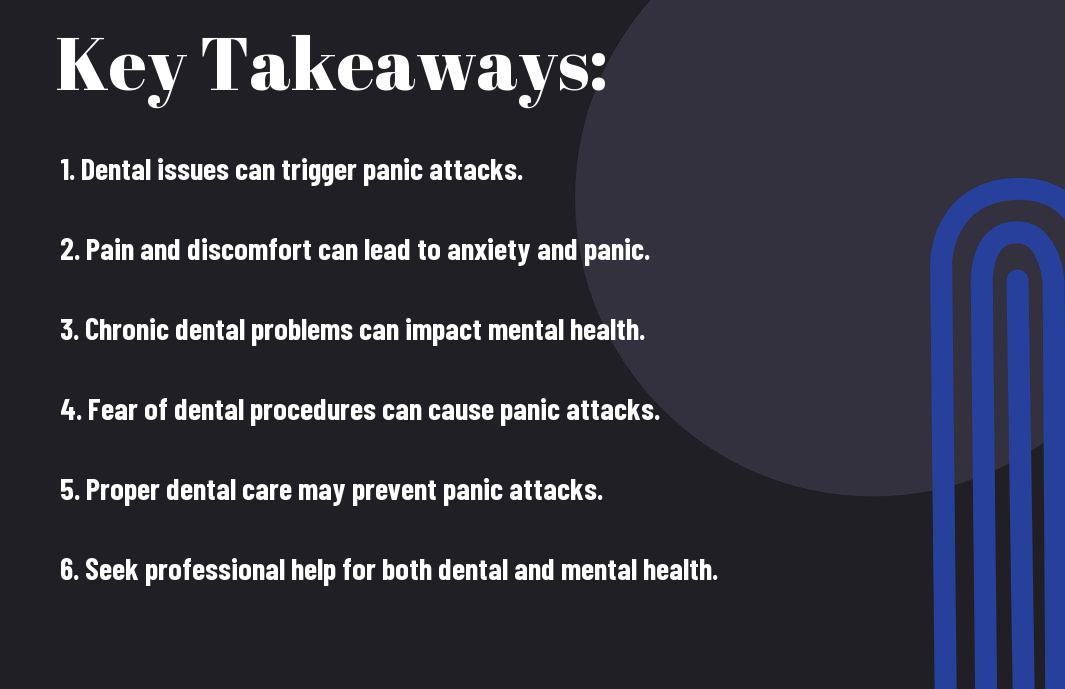
Key Takeaways:
- Panic attacks can be a symptom of chronic dental issues. Chronic dental issues, such as tooth decay, gum disease, or infection, can cause chronic pain and discomfort, leading to anxiety and panic attacks.
- Oral health is linked to overall well-being. Studies have shown that poor oral health can contribute to various physical and mental health problems, including anxiety and panic attacks.
- It is important to address dental issues promptly. Seeking prompt dental care for chronic dental issues can help alleviate symptoms and prevent the onset of panic attacks.
- Regular dental check-ups are crucial. Regular dental check-ups can help identify and address chronic dental issues before they escalate and contribute to anxiety and panic attacks.
- Good oral hygiene can help prevent dental issues. Practicing good oral hygiene, such as brushing and flossing regularly, can help prevent chronic dental issues and minimize the risk of anxiety and panic attacks.
- Seeking mental health support is important. If panic attacks are a symptom of chronic dental issues, it is crucial to seek mental health support to address the anxiety and panic attacks and their underlying causes.
- Overall self-care is important for managing symptoms. Engaging in self-care practices, such as maintaining good oral hygiene, seeking dental care, and addressing mental health, can help manage symptoms related to chronic dental issues and prevent panic attacks.
The Connection Between Oral Health and Mental Well-being
Clearly, the health of your mouth is closely linked to your overall well-being. The state of your oral health can have a significant impact on your mental health and emotional stability. This connection is often overlooked, but it is crucial to understand the implications of poor oral health on your psychological well-being.
The Impact of Chronic Dental Problems on Overall Health
Chronic dental issues, such as gum disease, tooth decay, and oral infections, can take a toll on your overall health. When left untreated, these problems can lead to severe complications, such as cardiovascular disease, diabetes, and respiratory infections. The bacteria from the mouth can enter the bloodstream and affect other organs in your body, leading to **serious** health issues. It is important to address dental problems promptly to prevent them from affecting your overall health.
Psychological Effects of Dental Disorders
Chronic dental disorders can also have a significant impact on your mental and emotional well-being. Pain, discomfort, and self-consciousness about your smile can **negatively** impact your self-esteem and confidence. You may also experience **anxiety** and **stress** about dental appointments and procedures. Additionally, the constant physical discomfort from dental issues can lead to **depression** and **mood disturbances**. It is essential to recognize the psychological effects of dental disorders and seek proper treatment to improve your mental well-being.
Investigating the Link
However, the link between chronic dental issues and panic attacks is not widely recognized. According to an article on anxiety disorders and your oral health by Delta Dental, there is a strong connection between anxiety disorders and oral health, which could potentially include panic attacks. Research is ongoing to understand this connection better and determine the extent of its impact on overall well-being.
Research Findings on Dental Health and Panic Attacks
Several studies have suggested a possible correlation between chronic dental issues and panic attacks. For example, a study published in the Journal of Affective Disorders found that individuals with severe dental problems were more likely to experience panic attacks. The exact mechanism behind this link is still unclear, but it is believed that chronic dental issues can contribute to underlying stress and anxiety, which may trigger panic attacks.
Personal Accounts and Case Studies
Many individuals have recounted their experiences of dealing with panic attacks in relation to their dental health. You may come across stories of people who have had panic attacks triggered by dental appointments or dental pain. For instance, a case study published in the British Dental Journal documented the experiences of patients who reported increased anxiety and panic attacks due to their dental issues. These personal accounts highlight the significant impact that chronic dental issues can have on one's mental and emotional well-being.
- Case 1: A 35-year-old male reported experiencing frequent panic attacks while dealing with tooth pain and dental procedures. He described feeling overwhelmed and anxious every time he visited the dentist.
- Case 2: A 45-year-old female shared her struggles with panic attacks, which she attributed to her long-standing dental problems. The fear of dental pain and discomfort triggered intense anxiety episodes for her.
- Case 3: A 28-year-old individual detailed their journey of managing panic attacks related to their dental health. The fear of dental treatments and the anticipation of pain led to heightened anxiety levels.
Management and Prevention Strategies
To effectively manage and prevent panic attacks as a symptom of chronic dental issues, there are a few key strategies you can implement in your daily life. By taking proactive measures, you can reduce the frequency and severity of panic attacks related to your dental health.
Professional Treatments for Chronic Dental Issues
When it comes to managing chronic dental issues, seeking professional treatments is crucial. Regular visits to the dentist for cleanings and check-ups can help prevent the progression of dental problems. Additionally, if you are experiencing severe dental issues, such as gum disease or tooth decay, seeking professional treatment from a dentist or specialist is essential. Ignoring chronic dental issues can lead to worsening symptoms and increased anxiety, so it's important to address them as soon as possible.
Coping Mechanisms for Panic Attacks Related to Dental Health
If you find yourself experiencing panic attacks related to your dental health, there are coping mechanisms that can help alleviate your symptoms. Deep breathing exercises, meditation, and mindfulness techniques can all be effective in reducing anxiety and panic. Additionally, seeking support from a therapist or counselor who specializes in anxiety management can provide you with valuable tools and strategies for coping with panic attacks. It's important to remember that you are not alone in this experience, and there are resources available to help you manage your symptoms.
Conclusively
Your dental health is closely linked to your overall well-being, including your mental health. Panic attacks can be a symptom of chronic dental issues, as the pain and discomfort associated with dental problems can lead to heightened anxiety and stress. It's important to prioritize your oral health and seek regular dental check-ups to prevent chronic issues that can impact your mental well-being. For more information on the connection between oral and mental health, you can read this insightful article on The connection between oral and mental health.
FAQ
Q: Can panic attacks be a symptom of chronic dental issues?
A: While panic attacks are commonly associated with anxiety and stress, they can also be a symptom of chronic dental issues such as severe toothache, gum disease, or temporomandibular joint (TMJ) disorder.
Q: What chronic dental issues can cause panic attacks?
A: Chronic dental issues such as severe tooth decay, untreated cavities, gum disease, and TMJ disorder can lead to severe pain and discomfort, which in turn can trigger panic attacks in some individuals.
Q: How does oral pain trigger panic attacks?
A: Oral pain can lead to heightened levels of anxiety and stress, which can in turn lead to panic attacks. The constant discomfort and fear of worsening dental issues can exacerbate these feelings and lead to panic attacks for some individuals.
Q: Can treating chronic dental issues alleviate panic attacks?
A: Yes, treating chronic dental issues can alleviate panic attacks in some cases. By addressing the underlying dental problems and reducing oral pain and discomfort, individuals may experience a decrease in anxiety and a relief from panic attacks.
Q: Is there a link between dental anxiety and panic attacks?
A: Yes, there is a link between dental anxiety and panic attacks. Individuals with severe dental anxiety may experience heightened levels of stress and fear related to dental procedures, which can lead to panic attacks when faced with the prospect of dental treatment.
Q: How can dental professionals help manage panic attacks related to dental issues?
A: Dental professionals can help manage panic attacks related to dental issues by providing a calming and supportive environment, using relaxation techniques, and offering sedation options for individuals with severe dental anxiety or panic disorder.
Q: What should individuals experiencing panic attacks due to dental issues do?
A: Individuals experiencing panic attacks due to dental issues should seek professional help from a dentist or mental health provider. Addressing both the dental problems and the associated anxiety is important for overall well-being and oral health.