
Key Takeaways:
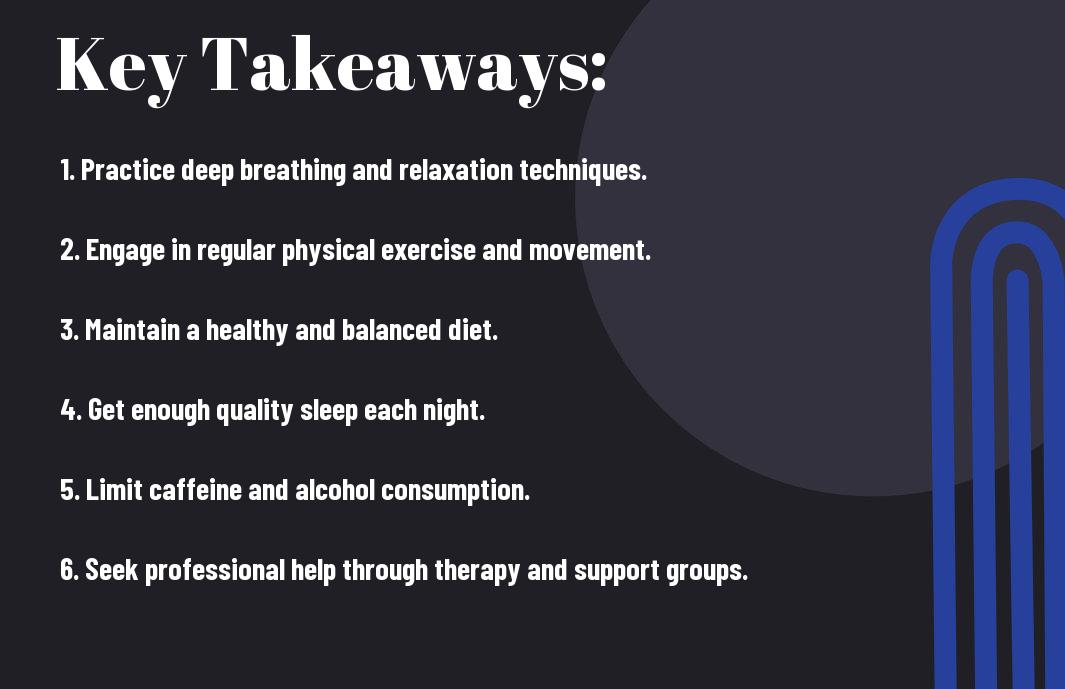
- Deep breathing exercises: Practice deep breathing to help calm down during an anxiety attack.
- Progressive muscle relaxation: Tense and then relax each muscle group in your body to help reduce anxiety symptoms.
- Mindfulness meditation: Use mindfulness techniques to bring your focus to the present moment and alleviate anxiety.
- Regular exercise: Engage in physical activity to reduce stress and improve overall mental well-being.
- Healthy diet: Eat a balanced diet with plenty of fruits, vegetables, and whole grains to support mental health.
- Reach out for support: Talk to a trusted friend or family member about your anxiety, and consider seeking help from a therapist or support group.
- Establish a routine: Create a structured daily routine to provide stability and reduce feelings of uncertainty.
Recognizing the Onset of an Anxiety Attack
While managing anxiety attacks without medication, it is crucial to first be able to recognize the onset of an anxiety attack. By being able to identify the symptoms and triggers, you can take necessary steps to manage the anxiety attack effectively.
Common Symptoms
Common symptoms of an anxiety attack include rapid heartbeat, chest pain, difficulty breathing, sweating, trembling, and feeling a sense of impending doom. You may also experience difficulties with concentration, irritability, and restlessness. These physical and emotional symptoms can be distressing, but recognizing them as part of an anxiety attack can help you to address them effectively.
Triggers and Early Warning Signs
Triggers for anxiety attacks can vary from person to person, but some common triggers include stress, certain social situations, phobias, and traumatic experiences. Early warning signs of an impending anxiety attack can include feeling overwhelmed, experiencing excessive worry or fear, and having difficulty controlling your thoughts. By recognizing these triggers and early warning signs, you can take steps to manage your anxiety before it escalates into a full-blown attack.
Immediate Non-Medication Techniques
Despite the overwhelming nature of anxiety attacks, there are immediate non-medication techniques that can help manage your symptoms and bring you relief. These techniques focus on harnessing the power of your body and mind to regain control over your anxiety.Breathing Exercises
When you feel an anxiety attack coming on, your breathing may become rapid and shallow, which can exacerbate your symptoms. Engaging in deep breathing exercises can help you to regain control over your breath and, in turn, calm your mind and body. One effective breathing exercise is the 4-7-8 technique, which involves inhaling deeply for 4 seconds, holding your breath for 7 seconds, and exhaling slowly for 8 seconds. This exercise can help to slow down your heart rate and reduce the intensity of your anxiety symptoms.Grounding Techniques
Grounding techniques can help to bring you back to the present moment and alleviate the overwhelming feelings of anxiety. One effective grounding technique is the 5-4-3-2-1 method, where you use your senses to focus on your surroundings. You can start by identifying 5 things you can see, 4 things you can touch, 3 things you can hear, 2 things you can smell, and 1 thing you can taste. This method can help to anchor you in the present moment and distract your mind from the spiraling thoughts that often accompany anxiety attacks. These techniques can be powerful tools to help you regain a sense of control and calm during an anxiety attack.Long-Term Anxiety Management Strategies
Now that you have learned some immediate techniques to manage anxiety attacks, it's time to focus on long-term strategies to help prevent and reduce the frequency of these episodes. These methods can be just as effective as medication, and have lasting positive effects on your mental health. For more information on proven anxiety treatments without medication, check out this article.
Lifestyle Changes
One of the most crucial long-term strategies for managing anxiety is implementing positive lifestyle changes. This includes maintaining a healthy diet, engaging in regular physical activity, and prioritizing sufficient sleep. Regular exercise can increase the production of endorphins and reduce stress hormones, while a balanced diet can support overall well-being. Additionally, adequate sleep is essential for regulating mood and reducing anxiety symptoms. By making these adjustments to your lifestyle, you are setting yourself up for success in managing your anxiety in the long run.
Cognitive Behavioral Techniques
Another effective long-term strategy for managing anxiety without medication is cognitive behavioral therapy (CBT). CBT helps you identify and challenge negative thought patterns and replace them with more positive and constructive ones. By changing your thought processes, you can change the way you feel and behave in anxiety-provoking situations. This approach is highly effective in addressing the root causes of anxiety, providing you with tools to manage and cope with your symptoms in the long term.
Professional Help and Alternative Therapies
To effectively manage anxiety attacks without medication, it is important to consider seeking professional help and exploring alternative therapies. These options can provide you with the tools and support needed to better manage your anxiety and reduce the frequency and severity of your panic attacks.
When to Seek Professional Help
If you find that your anxiety attacks are significantly impacting your daily life, it may be time to seek professional help. You should consider reaching out to a mental health professional if your anxiety attacks are causing you to avoid certain situations, disrupting your work or personal relationships, or leading to detrimental behaviors such as substance abuse. Professional help can provide you with the necessary resources and support to better understand and manage your anxiety.
Complementary and Alternative Medicine Approaches
Complementary and alternative medicine approaches can also be beneficial in managing anxiety attacks. Practices such as acupuncture, yoga, mindfulness meditation, and aromatherapy have shown promise in reducing anxiety symptoms. These approaches can complement traditional therapies and provide you with additional tools to manage your anxiety attacks. It is important to consult with a qualified practitioner to determine the best approach for your specific needs.
In conclusion, seeking professional help and exploring alternative therapies can be effective ways to manage anxiety attacks without medication. It is crucial to recognize when professional help is needed and to consider complementary and alternative medicine approaches as part of your comprehensive anxiety management plan. Remember, there is no one-size-fits-all solution, so it may be necessary to explore a combination of approaches to find what works best for you.Managing and treating anxiety
Considering all points, it is possible to manage anxiety attacks without medication by using various techniques such as deep breathing exercises, mindfulness meditation, regular exercise, and seeking support from a therapist or support group. These methods can be effective in helping you cope with anxiety and reduce the frequency and severity of anxiety attacks. It's important to remember that managing anxiety without medication is a process that requires time, effort, and consistency. For more information on managing and treating anxiety, visit Managing and treating anxiety
FAQ
Q: What are anxiety attacks?
A: Anxiety attacks, also known as panic attacks, are sudden feelings of intense fear and panic that can be overwhelming and debilitating.
Q: What are the best ways to manage anxiety attacks without medication?
A: The best ways to manage anxiety attacks without medication include deep breathing exercises, progressive muscle relaxation, mindfulness meditation, regular physical exercise, maintaining a healthy diet, and seeking support from a therapist or support group.
Q: How do deep breathing exercises help manage anxiety attacks?
A: Deep breathing exercises help manage anxiety attacks by reducing the body's "fight or flight" response, slowing down heart rate, and promoting a sense of calm and relaxation.
Q: What is progressive muscle relaxation and how can it help with anxiety attacks?
A: Progressive muscle relaxation involves tensing and then relaxing different muscle groups in the body, which can help reduce physical tension and promote a sense of relaxation, thereby alleviating anxiety attacks.
Q: Can mindfulness meditation help with managing anxiety attacks?
A: Mindfulness meditation can help manage anxiety attacks by promoting present-moment awareness, reducing rumination and worrying thoughts, and improving overall emotional regulation.
Q: Why is regular physical exercise important for managing anxiety attacks?
A: Regular physical exercise helps manage anxiety attacks by reducing stress hormones, promoting the release of endorphins (feel-good chemicals), and providing a healthy outlet for pent-up energy and tension.
Q: How does maintaining a healthy diet contribute to managing anxiety attacks?
A: Maintaining a healthy diet that includes balanced meals, limited caffeine and alcohol intake, and adequate hydration can help stabilize blood sugar levels, support overall physical health, and positively impact mental well-being, which can in turn help manage anxiety attacks.
Q: What role does seeking support from a therapist or support group play in managing anxiety attacks?
A: Seeking support from a therapist or support group can provide valuable tools, coping strategies, and emotional support, as well as help identify and address underlying causes of anxiety, ultimately aiding in the management of anxiety attacks without medication.