Experiencing panic attacks can be a frightening and overwhelming experience. But do you know exactly how panic attacks affect your body and your brain? When you have a panic attack, your body and brain go into fight or flight mode, releasing a surge of adrenaline and other stress hormones. This can lead to a range of physical symptoms such as rapid heartbeat, shortness of breath, and chest pain. In the brain, panic attacks can cause an overactivation of the amygdala, the part of the brain responsible for processing fear. This can result in irrational thoughts and feelings of intense fear and dread. Understanding how panic attacks impact your body and brain is crucial in learning how to manage and cope with them.
Key Takeaways:
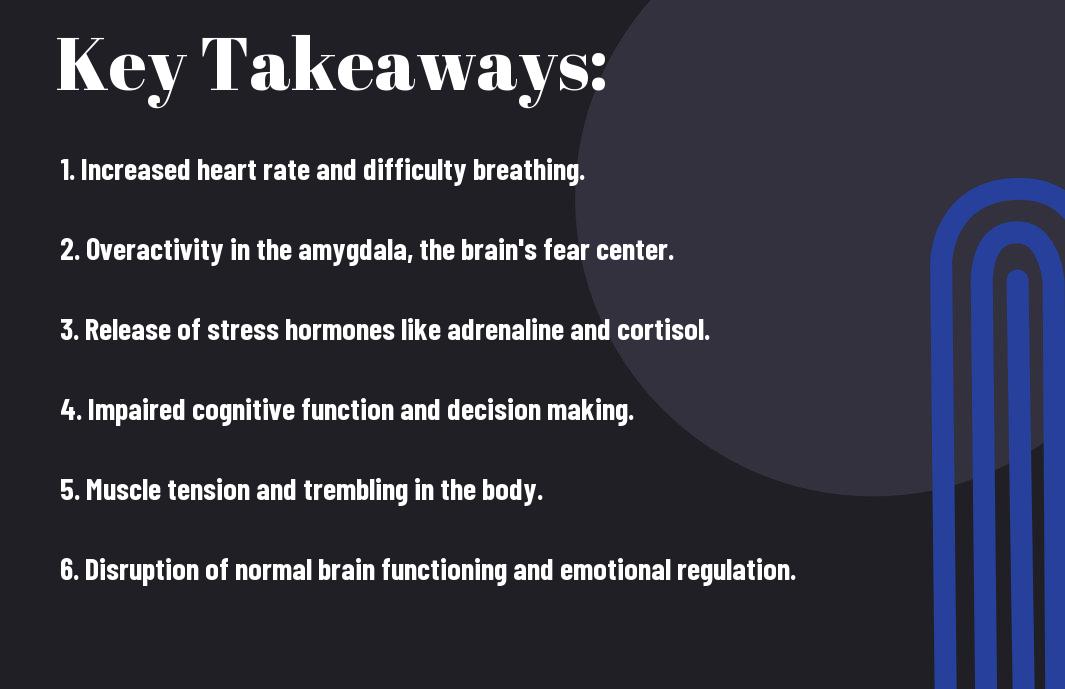
- Physical symptoms: Panic attacks can cause a range of physical symptoms including heart palpitations, sweating, trembling, shortness of breath, and chest pain.
- Brain activation: During a panic attack, the amygdala, a part of the brain responsible for processing emotions, can become overactive, leading to intense feelings of fear and anxiety.
- Adrenaline release: The body's "fight or flight" response is triggered during a panic attack, leading to an increase in adrenaline and other stress hormones which can further exacerbate physical symptoms.
- Impact on cognition: Panic attacks can impair cognitive function, leading to difficulty concentrating, memory problems, and impaired decision-making abilities.
- Long-term effects: Recurrent panic attacks can contribute to the development of anxiety disorders such as panic disorder, as well as other mental health issues such as depression and substance abuse.
- Physiological changes: Chronic panic attacks can lead to changes in the brain's structure and function, potentially increasing the risk of developing chronic health conditions such as cardiovascular disease.
- Treatment options: Cognitive-behavioral therapy, medication, and relaxation techniques are all effective in managing panic attacks and reducing their impact on the body and brain.

The Physiology of Panic Attacks
Any time you experience a panic attack, your body and brain undergo a series of physiological changes. These changes are the result of your body's natural response to perceived danger, known as the fight-or-flight response. Understanding the physiological aspects of panic attacks can help you manage and cope with them more effectively.
The Fight-or-Flight Response
When you experience a panic attack, your body's fight-or-flight response is triggered. This response is designed to protect you from danger by preparing your body to either fight or flee. Your heart rate increases, your breathing becomes rapid, and your muscles tense up. These physical changes are your body's way of preparing you to respond to a threat, whether real or perceived.
The Role of Adrenaline
During a panic attack, your body releases a surge of adrenaline, also known as epinephrine. Adrenaline is a hormone that is responsible for many of the physical symptoms of a panic attack, such as rapid heart rate, sweating, and trembling. This hormone is released in response to stress or fear, and it plays a crucial role in the fight-or-flight response.
Cardiovascular and Respiratory Changes
As a result of the fight-or-flight response and the release of adrenaline, you may experience significant cardiovascular and respiratory changes during a panic attack. Your heart rate increases, your blood pressure rises, and your breathing becomes shallow and rapid. These changes are your body's way of increasing oxygen supply to your muscles so that you can respond to the perceived threat. However, these changes can also lead to feelings of dizziness, chest pain, and shortness of breath. It's important to be aware of these symptoms and seek help if you experience them during a panic attack.
Understanding the physiological effects of panic attacks can help you recognize and manage them more effectively. By knowing how your body and brain respond to these episodes, you can take steps to calm yourself and reduce the intensity of the symptoms. It's important to remember that while panic attacks can be frightening and overwhelming, they are not dangerous and do not cause any long-term harm to your body. With the right tools and support, you can learn to cope with panic attacks and minimize their impact on your life.
The Psychological Impact of Panic Attacks
To understand the psychological impact of panic attacks, it's crucial to recognize the various cognitive and emotional symptoms and effects that can significantly impact your mental well-being.
Cognitive Symptoms and Effects
During a panic attack, you may experience cognitive symptoms such as racing thoughts, confusion, and difficulty concentrating. These symptoms can have a significant impact on your daily life, affecting your ability to function effectively at work, school, or in social situations. The overwhelming fear and sense of impending doom can also lead to catastrophic thinking, making you believe that something terrible is about to happen, even though there is no imminent threat. This can lead to a heightened state of anxiety and constant worry, further exacerbating the impact on your cognitive functioning.
Emotional Reactions
Panic attacks can trigger intense emotional reactions, including intense fear, terror, and a feeling of losing control. The emotional toll of panic attacks can leave you feeling emotionally drained, stressed, and on edge, affecting your overall quality of life. It's not uncommon for individuals who experience panic attacks to develop a fear of having another attack, which can lead to avoidance behaviors and social withdrawal. These emotional reactions can contribute to the development of anxiety disorders and other mental health challenges if left untreated.
The Brain's Response to Panic
Despite the fact that panic attacks are psychological in nature, they also have a significant impact on the physical body—particularly the brain. According to the New York Times, panic attacks can cause a wide range of symptoms and can have long-lasting effects on the brain.
Neurotransmitter Imbalances
During a panic attack, your brain experiences an imbalance in neurotransmitters, which are chemical messengers that help regulate mood and stress. Specifically, there is often an increase in the release of adrenaline, which triggers the body's "fight or flight" response. This surge in adrenaline can lead to symptoms such as rapid heartbeat, sweating, and shortness of breath. Chronic imbalances in neurotransmitters can contribute to the development of anxiety disorders.
Changes in Brain Activity
Research has shown that panic attacks can lead to changes in your brain's activity. During a panic attack, the amygdala, the part of the brain responsible for processing emotions, becomes overactive. This heightened activity can lead to an increased sense of fear and anxiety. Additionally, the prefrontal cortex, which is involved in decision-making and emotional regulation, may become less active during a panic attack, making it more difficult for you to calm down. These changes in brain activity can perpetuate the cycle of panic and anxiety.
Long-term Brain Effects
Experiencing frequent panic attacks can have long-term effects on your brain. Over time, the repeated surges of stress hormones like cortisol can lead to changes in the structure and function of the brain. This can result in an increased risk of developing mental health conditions such as depression and post-traumatic stress disorder. It's important to seek treatment for panic attacks to prevent these long-term negative effects on your brain.
Management and Treatment
After experiencing a panic attack, it is important to seek proper management and treatment to prevent further episodes and alleviate symptoms. Understanding that panic attacks can have a significant impact on both your body and brain, it is essential to address the root causes of your anxiety and seek appropriate treatment. According to a Scientific American article, panic attacks occur due to a variety of complex factors involving the brain's response to stress and fear.
Therapeutic Approaches
If you are experiencing frequent panic attacks, seeking therapeutic approaches such as cognitive-behavioral therapy (CBT) can be highly beneficial. CBT helps you identify and change the negative thought patterns and behaviors that contribute to your panic attacks. With the guidance of a trained therapist, you can learn effective coping strategies and relaxation techniques to manage your anxiety. Additionally, exposure therapy, a type of CBT, can help you gradually confront and desensitize yourself to the situations that trigger panic attacks.
Medications and Lifestyle Changes
In some cases, medications may be prescribed to manage the symptoms of panic attacks. Anti-anxiety medications, such as benzodiazepines, may be used on a short-term basis to reduce severe anxiety. However, it is important to use them cautiously due to their potential for addiction and withdrawal. Alternatively, selective serotonin reuptake inhibitors (SSRIs) and serotonin-norepinephrine reuptake inhibitors (SNRIs) are commonly prescribed for long-term management of anxiety disorders. In addition to medications, making lifestyle changes such as regular exercise, maintaining a healthy diet, getting adequate sleep, and practicing relaxation techniques can have a positive impact on managing and reducing the frequency of panic attacks.
By addressing the root causes of your anxiety and seeking appropriate treatment, you can effectively manage and reduce the frequency of panic attacks, ultimately improving your overall well-being. Remember, seeking professional help and making positive lifestyle changes are crucial steps in your journey towards managing panic attacks.
Conclusion
Presently, you now understand how panic attacks can have a profound impact on both your body and brain. The physiological response to fear and anxiety can cause rapid heart rate, shortness of breath, and an overwhelming sense of dread, all of which can be very distressing. Moreover, the heightened activity in the amygdala and the decreased prefrontal cortex function can further exacerbate these feelings, leading to a vicious cycle. It is crucial to seek help and support if you experience panic attacks, as there are effective treatment options available to help manage and reduce their effects on both your body and brain. With the right support, you can better understand and cope with panic attacks, and improve your overall well-being.
FAQ
Q: What is a panic attack?
A: A panic attack is a sudden episode of intense fear that triggers severe physical reactions when there is no real danger or apparent cause.
Q: How do panic attacks affect the body?
A: Panic attacks can cause symptoms such as rapid heartbeat, sweating, trembling or shaking, shortness of breath, chest pain, nausea, dizziness, and a feeling of being detached from oneself. These physical symptoms can be very distressing and debilitating.
Q: How do panic attacks affect the brain?
A: Panic attacks can lead to changes in brain function, including increased activity in the amygdala, the part of the brain responsible for processing fear, and decreased activity in the prefrontal cortex, which is involved in decision-making and regulating emotions. These changes can contribute to the development and maintenance of panic disorder.
Q: Can panic attacks cause long-term effects on the body?
A: Chronic or frequent panic attacks can have long-term effects on the body, including increased risk of heart disease, respiratory disorders, and gastrointestinal issues. They can also lead to the development of other mental health conditions, such as depression or anxiety disorders.
Q: Can panic attacks be treated?
A: Yes, panic attacks can be treated with various forms of therapy, such as cognitive-behavioral therapy (CBT) or medication, including anti-anxiety medications or antidepressants. These treatments can help individuals manage and reduce their symptoms.
Q: What are some coping strategies for dealing with panic attacks?
A: Coping strategies for dealing with panic attacks may include deep breathing exercises, mindfulness meditation, physical exercise, maintaining a healthy lifestyle, and seeking support from family, friends, or support groups. It is also important to avoid triggers and practice stress management techniques.
Q: When should someone seek professional help for panic attacks?
A: It is important to seek professional help if you experience frequent or severe panic attacks that interfere with your daily life, work, or relationships. A mental health professional can provide an accurate diagnosis and develop a personalized treatment plan to help you manage your symptoms and improve your overall well-being.