
Key Takeaways:
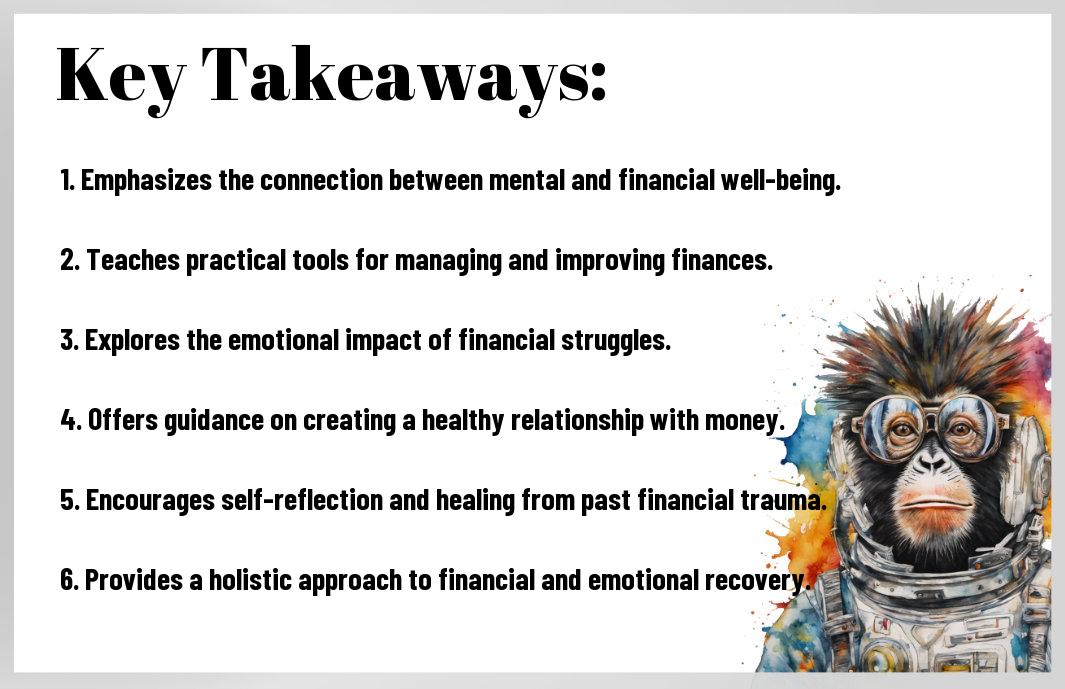
- Address both emotional and practical aspects: Healing your finances requires addressing both the emotional and practical aspects of money management.
- Recognize the emotional baggage: Financial struggles often come with emotional baggage, and it's important to recognize and address these feelings for true healing.
- Create a solid financial plan: Developing a solid financial plan is essential for long-term recovery, including budgeting, saving, and investing.
- Work on personal healing: Healing your heart involves personal growth and emotional healing, which can significantly impact your financial wellbeing.
- Seek professional help: It's okay to seek professional help from financial advisors, therapists, or support groups to aid in your recovery process.
- Learn from past mistakes: Reflect on past financial mistakes and use them as valuable lessons for future financial decision-making.
- Practice self-compassion: Show yourself self-compassion and forgiveness as you navigate the journey to healing your finances and heart.
Understanding Financial Trauma
Some of the most challenging experiences we face in life can be directly related to our finances. From job loss to overwhelming debt, financial trauma can have a significant impact on your emotional and mental well-being. Understanding the root of your financial distress is an essential step in the healing process.
Recognizing Signs of Financial Distress
Recognizing the signs of financial distress is crucial in addressing the root of the problem. Signs may include persistent anxiety about money, inability to sleep, or a constant feeling of overwhelm. If you find yourself avoiding your financial situation or experiencing physical symptoms related to stress, it's important to take a step back and evaluate the impact your finances are having on your overall well-being.
The Psychological Impact of Money Problems
Your financial health can have a profound psychological impact. Chronic stress resulting from money problems can lead to depression, anxiety, and a sense of hopelessness. It can also affect your relationships and overall quality of life. Recognizing and addressing the psychological impact of money problems is crucial for your overall well-being.
Techniques for Financial Healing
After experiencing financial difficulties, it is important to take proactive steps towards healing your finances. By implementing specific techniques for financial healing, you can regain control over your monetary situation and alleviate the stress and anxiety associated with money issues.Creating a Budget with Compassion
When creating a budget to heal your finances, it is important to approach this task with compassion. Acknowledge any past mistakes or setbacks without judgment, and instead, focus on moving forward with a positive mindset. Start by assessing your income and expenses, and then prioritize your spending based on necessities and financial goals. Remember to allocate some funds for leisure and self-care, as this allows you to maintain a healthy balance in your financial life. By creating a budget with compassion, you can effectively manage your money while also nurturing your emotional well-being.
Debt Reduction Strategies That Honor Your Spirit
Dealing with debt can be overwhelming and emotionally draining. It is crucial to approach debt reduction with strategies that honor your spirit and empower you on your journey to financial healing. Begin by organizing your debts and creating a repayment plan that aligns with your financial capabilities. You may also consider negotiating with creditors or seeking professional assistance to explore debt consolidation or settlement options. Remember that each step you take in reducing your debts is a positive move towards reclaiming your financial freedom.
Strategies for Emotional Recovery
Now that you have acknowledged the impact of financial stress on your emotional well-being, it's time to focus on strategies for emotional recovery. Healing your heart alongside your finances is essential for a comprehensive approach to recovery.Cultivating a Mindset of Abundance
When you are faced with financial difficulties, it's easy to get stuck in a scarcity mindset, constantly worrying about not having enough. However, shifting your mindset to one of abundance can have a profound impact on your emotional well-being. By focusing on what you have rather than what you lack, you can cultivate a sense of gratitude and positivity. Practice daily affirmations and visualization exercises to rewire your brain and attract more positivity into your life. Embrace the belief that there is enough for everyone, including for you.Therapeutic Approaches to Healing the Heart
In addition to cultivating a mindset of abundance, therapeutic approaches can be incredibly beneficial for healing the heart. Seeking professional help such as therapy or counseling can provide you with a safe space to explore and process your emotions. Cognitive-behavioral therapy (CBT) can help you identify and challenge negative thought patterns, while mindfulness-based practices can help you stay present and reduce anxiety. Remember, seeking support is a sign of strength, not weakness. You deserve to prioritize your emotional well-being and seek assistance on your journey to recovery.Integrating Financial and Emotional Health
To achieve true well-being, it's crucial to recognize the interconnectedness of your financial and emotional health. A holistic approach to recovery involves addressing both areas, as they play a significant role in your overall wellness. By integrating your financial and emotional health, you can create a solid foundation for a brighter future.
Developing Sustainable Habits for Long-term Well-being
When it comes to healing your finances and your heart, developing sustainable habits is essential. This means not just focusing on quick fixes, but rather adopting long-term strategies that will lead to lasting change. By developing sustainable habits, such as budgeting, saving, and investing in your emotional well-being through self-care and therapy, you can set yourself up for continued success.
Aligning Your Financial Decisions with Personal Values
One crucial aspect of integrating your financial and emotional health is aligning your financial decisions with your personal values. Your spending habits and financial choices should reflect the things that are most important to you. By aligning your finances with your personal values, you can create a sense of authenticity and fulfillment in your life, ultimately contributing to your overall well-being. It's important to evaluate your financial decisions and ensure they align with what truly matters to you.

Healing Your Finances, Healing Your Heart - A Dual Approach to Recovery
Presently, you have learned about the dual approach to financial and emotional recovery and how they are interconnected. It is important to address both your financial situation and your emotional well-being in order to achieve true healing. By taking steps to improve your financial situation, such as creating a budget and seeking professional help if necessary, you can alleviate some of the stress and anxiety that may be impacting your emotional health. At the same time, addressing any emotional wounds or traumas will allow you to approach your finances with a clear and focused mindset. Remember, it is okay to ask for help and to take the time to work on both areas of your life in order to achieve holistic healing and positive change.
FAQ
Q: What is the book "Healing Your Finances, Healing Your Heart - A Dual Approach to Recovery" about?
A: This book offers a unique approach to recovery by addressing both financial and emotional healing. It provides practical advice on managing finances while also focusing on the emotional impact of financial struggles.
Q: Who can benefit from reading this book?
A: Anyone who is facing financial challenges and seeking a holistic approach to recovery can benefit from this book. Whether you are dealing with debt, bankruptcy, or simply looking to improve your financial well-being, this book offers valuable insights and strategies.
Q: What types of financial advice does this book offer?
A: "Healing Your Finances, Healing Your Heart" provides guidance on budgeting, saving, and investing, as well as practical tips for managing debt and improving credit. It also addresses the emotional aspects of financial management, offering support for overcoming the stress and anxiety associated with financial struggles.
Q: How does this book address the emotional impact of financial struggles?
A: The book delves into the psychological and emotional toll of financial difficulties, offering strategies for coping with stress, building resilience, and fostering a positive mindset. It also emphasizes the importance of self-care and promoting overall emotional well-being during the recovery process.
Q: Is this book suitable for those in addiction recovery?
A: Yes, "Healing Your Finances, Healing Your Heart" recognizes the intersection of financial challenges and addiction recovery. It offers practical advice for individuals in addiction recovery who may be dealing with the financial consequences of their past behavior, while also emphasizing the importance of emotional healing in the recovery journey.