
Intro: Kickin' It Off
Before he starts his journey towards healing a broken heart with Cognitive Behavioral Therapy (CBT), he needs to get into the right mindset. It's time to put on his mental armor, lace up his emotional boots, and get ready to kick some heartache to the curb.
Heartache to Healing: The Journey Begins
When he's feeling down and out after a breakup, it's easy to get stuck in a cycle of negative thoughts and emotions. But with the help of CBT, he can start to shift his mindset and take the first step towards healing. By recognizing that he has the power to change his thoughts and behaviors, he can begin to break free from the grip of heartache and start moving towards a brighter future.
The 411 on Cognitive Behavioral Therapy (CBT)
CBT is all about helping him recognize and change the negative thought patterns and behaviors that are keeping him trapped in heartache. Through a combination of therapy sessions and homework assignments, he'll learn to identify unhelpful thought patterns and replace them with healthier, more positive ones. By challenging his beliefs and behaviors, he can start to break free from the cycle of heartache and pave the way for a journey towards healing.
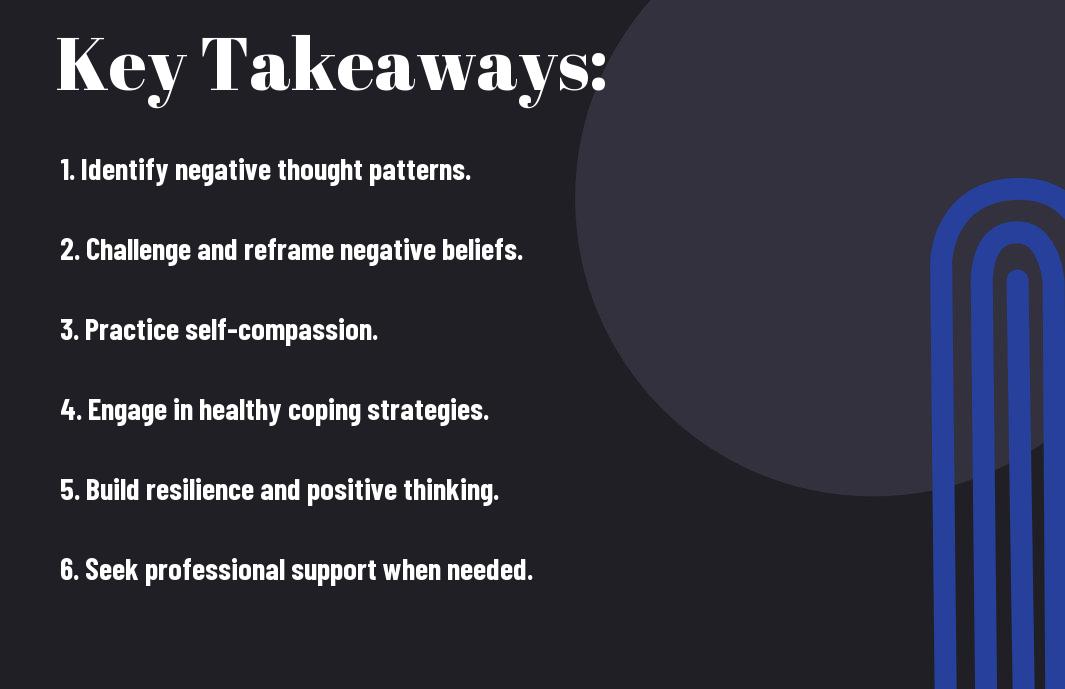
Key Takeaways:
- CBT is a game-changer: Cognitive Behavioral Therapy ain't no joke, y'all. It's a powerful tool for healing a broken heart and changing your negative thought patterns.
- Recognize negative thought patterns: We need to peep game and acknowledge when our thoughts are twisted like a pretzel. CBT helps us identify and challenge these toxic thoughts.
- Challenge your beliefs: We gotta question our beliefs and see if they're really serving us. CBT teaches us how to challenge those negative beliefs that are holding us back.
- Reframe your thinking: It's all about flipping the script, fam. CBT shows us how to reframe our thinking and replace those negative thoughts with positive ones.
- Practice self-compassion: We need to show ourselves some love, ya feel me? CBT encourages us to be kind to ourselves and practice self-compassion during tough times.
- Take action: It's time to step up and take control of our healing process. CBT gives us the tools to take action and make positive changes in our lives.
- Seek professional help: Sometimes we need to call in the experts, and that's okay. If you're struggling to heal from a broken heart, don't be afraid to reach out to a therapist who can guide you through CBT.

The Healing Game Plan
Some say healing a broken heart is a game, and if that's the case, then it's time to come up with a game plan. With cognitive behavioral therapy, he can take actionable steps to transform his thinking and outlook on life, ultimately leading to a mended heart and renewed sense of self.
Check Yo'self: Understanding Your Heartbreak
Before diving into the healing process, it's crucial for him to take a step back and truly understand the nature of his heartbreak. Whether it's the end of a relationship, a betrayal, or loss, he needs to acknowledge the pain and its impact on his mental and emotional well-being. By identifying the source of his heartbreak, he can begin to unravel the negative thought patterns and behaviors that have been holding him back.
Mind Over Matters: Flippin' the Script
With cognitive behavioral therapy, he can start to reframe his mindset and see things from a different perspective. Instead of dwelling on the pain and negativity, he can challenge his thoughts and beliefs, shifting them towards a more positive and empowered outlook. By altering his mindset, he can begin to break free from the cycle of heartbreak and start focusing on building a new, fulfilling life for himself.
Droppin' Science on CBT Techniques
Despite the pain, heartbreak, and negative thoughts that come with healing a broken heart, there are tangible techniques rooted in cognitive behavioral therapy (CBT) that can help individuals turn the corner and start to heal. CBT is based on the idea that our thoughts, feelings, and actions are interconnected, and by challenging negative thought patterns and changing behaviors, individuals can transform their emotional well-being.
Spittin' Positivity: Challengin' Negative Thoughts
One of the key techniques in CBT is learnin' to challenge negative thoughts. When a person is goin' through a breakup, it's easy for negative thoughts to take over, such as "I'm not good enough" or "I'll never find love again." Through CBT, individuals learn to identify these negative thoughts and challenge them with evidence to the contrary. By pracitin' this technique, he can start to reframe his thinkin' and cultivate a more positive mindset, which is crucial in healin' a broken heart.
Keep It Real: Setting Goals and Smashing 'Em
Another important aspect of CBT is settin' realistic goals and workin' to achieve 'em. After a heartbreak, it's easy for someone to feel lost and overwhelmed. By settin' small, achievable goals, she can start to rebuild her sense of confidence and agency. Whether it's takin' a daily walk, connecting with friends, or startin' a new hobby, accomplishin' these goals can help her regain a sense of control and purpose in her life.
Vibin' with Progress
Lastly, as he continues his journey of healing with cognitive behavioral therapy, he can vibe with the progress he is making. It's important for him to celebrate the small victories along the way, whether it's challenging a negative thought or practicing a new coping skill. One resource that might be helpful for him is the book "10 Steps to Healing a Broken Heart" by Judine Hitchmon. This book provides practical steps and exercises to help heal a broken heart and move forward in a positive way.
Tracking Ya Healing: Journaling the Journey
When going through therapy, keeping a journal can be an invaluable tool for tracking his progress. He can use it to jot down his thoughts, track his emotions, and reflect on the changes he's noticing. It can also be a helpful way for him to identify any thoughts or patterns that may be holding him back from fully healing.
Squad Goals: Finding Support in Your Circle
He doesn't have to go through the process alone. Surrounding himself with a supportive circle of friends, family, or a therapist can make a world of difference. Having a strong support system can provide him with the encouragement, understanding, and love he needs to navigate through the challenges of healing. He can lean on them for advice, guidance, and a listening ear when things get tough.

Maintaining Yo Peace
However, once the initial healing process is underway, it's important for individuals to continue maintaining their peace and emotional well-being. This includes finding healthy ways to cope with stress, avoiding triggers that may bring back painful memories, and actively working towards a positive mindset.
Avoiding the Remix: Preventing Relapse
To prevent relapse, individuals should be mindful of the people, places, and activities that may trigger negative emotions or memories related to the heartbreak. It's important for he, she, or they to create boundaries and distance themselves from toxic situations or individuals that could sabotage their progress. Seeking support from friends, family, or a therapist can also help in staying on track and preventing a relapse into negative thought patterns.
Self-Love Hype: Continuing Self-Care
Continuing self-care is crucial in the journey to healing a broken heart. He, she, or they should engage in activities that bring them joy and fulfillment, whether it's pursuing a hobby, spending time with loved ones, or practicing mindfulness and relaxation techniques. It's also important to focus on personal growth and development, setting goals and aspirations for the future to cultivate a sense of purpose and self-worth. Building self-love and confidence is an ongoing process that requires dedication and consistency.