
Embarking on the journey to financial recovery can be filled with stress, fear, and anxiety. It's crucial to acknowledge the emotional toll that financial struggles can take on you and your well-being. Whether you're dealing with mounting debt, job loss, or unforeseen expenses, the impact on your mental and emotional health cannot be ignored. In this blog post, we will explore the emotional side of money and provide you with strategies to help you navigate through this challenging time and regain control over your finances. By understanding the link between your emotions and money, you'll be better equipped to overcome financial woes and build a more secure future for yourself.
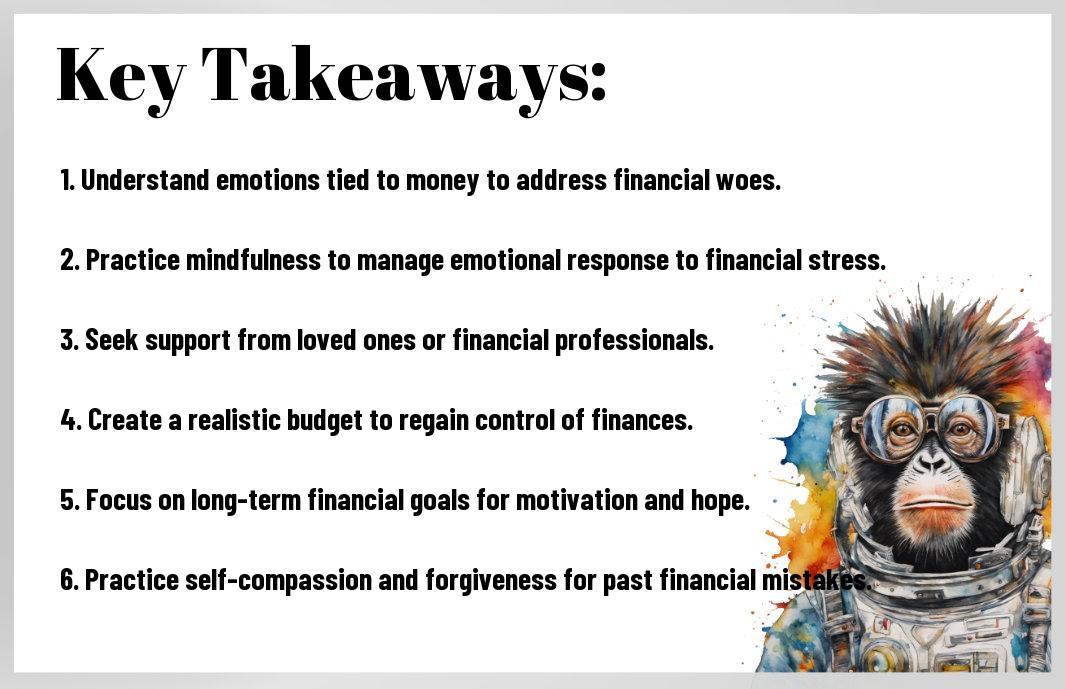
Key Takeaways:
- Understanding the emotional impact: Recognizing and acknowledging the emotional side of money is crucial in managing financial woes.
- Identifying triggers: It's important to pinpoint the factors that trigger emotional responses to money concerns, such as fear, anxiety, or guilt.
- Developing healthy coping mechanisms: Learning and implementing positive coping strategies, such as seeking support from loved ones, practicing mindfulness, or seeking professional help, can aid in the recovery process.
- Creating a financial plan: Developing a realistic and manageable budget and savings plan can alleviate financial stress and provide a sense of control over one's financial situation.
- Setting realistic goals: Establishing achievable financial goals can help to maintain motivation and a sense of accomplishment along the path to financial recovery.
- Seeking financial education: Taking the time to educate oneself about personal finance can provide valuable knowledge and tools for effective money management.
- Being patient with oneself: Overcoming financial woes takes time and effort, and it's important to be kind and patient with oneself throughout the recovery process.
The Relationship Between Emotions and Money
Some people may not realize it, but there is a strong emotional connection to money. Your emotions can heavily impact your financial decisions and behaviors. According to All about Financial Trauma | Causes & signs of ..., financial trauma can occur when an individual experiences a significant and distressing event related to their finances. This trauma can lead to deep-rooted emotional responses that impact the way you handle money for years to come.
Identifying Emotional Triggers in Financial Behavior
Understanding your emotional triggers in financial behavior is crucial for recovery. Identifying these triggers can help you recognize when you are making decisions based on emotion rather than logic. It could be fear of scarcity, the need for control, or even a desire for status. Once you recognize these triggers, you can start to address them and make more rational financial decisions.
The Role of Culture and Upbringing in Financial Attitudes
Your financial attitudes can be heavily influenced by your cultural background and upbringing. The values and beliefs instilled in you from a young age can shape the way you view and manage money. For example, if you were raised in a household where money was a source of stress and conflict, you may carry those negative attitudes into your own financial decisions. Recognizing the impact of your cultural and familial influences is an important step in reshaping your relationship with money.
Strategies for Emotional Recovery
Now that you have dealt with the emotional impact of financial woes, it's time to focus on strategies that can help you recover emotionally and build a healthier relationship with money. By implementing these strategies, you can regain control over your emotions and make better financial decisions.Mindfulness and Financial Decisions
Practicing mindfulness can help you make more intentional and thoughtful financial decisions. When you are mindful, you are fully present and aware of your thoughts and emotions, allowing you to make decisions based on your values and priorities rather than impulsive reactions. By taking the time to assess your feelings and thoughts before making a financial decision, you can avoid rash choices and regain a sense of control over your money.
Building Emotional Resilience for Economic Uncertainty
Emotional resilience is the ability to adapt to and cope with challenging situations, and it is crucial for navigating economic uncertainty. By developing emotional resilience, you can reduce stress and anxiety related to financial instability and bounce back from setbacks more effectively. Focus on building a support network, practicing self-care, and reframing negative thoughts to strengthen your emotional resilience and improve your overall well-being.
Practical Steps Toward Financial Well-being
After acknowledging the emotional side of money and understanding its impact on your financial situation, it's time to take practical steps towards achieving financial well-being. This involves creating a sustainable budget with emotional insight and effectively managing your debt while addressing any emotional healing that may be necessary.
Creating a Sustainable Budget with Emotional Insight
When creating a sustainable budget with emotional insight, you need to take a holistic approach that considers both your financial goals and emotional triggers. Begin by tracking your expenses and identifying any areas where you tend to overspend due to emotional factors. Be honest with yourself about your spending habits and address any emotional triggers that may be driving them. Then, create a budget that aligns with your financial goals while also taking into account your emotional needs. This may involve setting aside a portion of your budget for activities that bring you joy and fulfillment, helping you maintain a healthy balance between financial responsibility and emotional well-being.
Debt Management and Emotional Healing
When it comes to managing debt and addressing emotional healing, it's important to take a proactive approach. Start by assessing your total debt and creating a plan to pay it off efficiently. This may involve prioritizing high-interest debt and exploring options for debt consolidation or negotiation with creditors. Additionally, take the time to address any emotional baggage that may be tied to your debt, whether it's feelings of shame, guilt, or anxiety. Seeking support from a financial counselor or therapist can help you navigate the emotional complexities of debt while developing a plan for financial recovery. By addressing both the practical and emotional aspects of debt management, you can create a path towards financial freedom and emotional well-being.
Staying Financially Sound in the Long Term
Not staying financially sound in the long term can have serious repercussions on your financial well-being. To ensure your financial stability in the long run, it's important to cultivate healthy money mindsets and plan for financial contingencies.
Cultivating Healthy Money Mindsets
One of the most important aspects of staying financially sound in the long term is cultivating healthy money mindsets. This involves developing a positive relationship with money, understanding the value of saving and investing, and avoiding impulsive spending. By prioritizing your financial goals and developing a strong sense of financial discipline, you can ensure that you are always in control of your finances. Remember, positive money mindsets can lead to long-term financial success.
Planning for Financial Contingencies
Another crucial aspect of staying financially sound in the long term is planning for financial contingencies. This involves creating an emergency fund to cover unexpected expenses, obtaining adequate insurance coverage, and setting up a retirement savings plan. By preparing for the unexpected, you can protect yourself from potential financial setbacks and maintain your long-term financial stability. Keep in mind that planning for financial contingencies is essential for securing your financial future.

The Emotional Side of Money - Recovery Strategies for Financial Woes
Hence, it is crucial for you to understand the emotional impact that money can have on your life. By acknowledging and addressing the psychological components of financial struggles, you can create a plan to overcome hurdles and regain control of your finances. It is important to seek support from friends, family, or professional counselors to work through the emotional aspects of money management. Additionally, developing healthy coping mechanisms and setting realistic financial goals can pave the way for a positive recovery from financial woes. Remember, your emotional well-being is intertwined with your financial health, and taking a mindful approach to both can lead to long-term financial success and stability.
FAQ
Q: What is 'The Emotional Side of Money - Recovery Strategies for Financial Woes' about?
A: 'The Emotional Side of Money' is a book that explores the psychological and emotional aspects of personal finance, offering strategies for overcoming financial struggles and building a healthier relationship with money.
Q: Who can benefit from reading 'The Emotional Side of Money'?
A: This book is beneficial for anyone who is experiencing financial stress, anxiety, or other emotional challenges related to money. It offers guidance for individuals facing financial difficulties and those who want to improve their overall financial well-being.
Q: What are some common emotional challenges related to money?
A: Emotional challenges related to money can include stress, anxiety, guilt, shame, and even depression. These feelings can stem from financial struggles, debt, overspending, or a fear of not having enough money to meet basic needs.
Q: What recovery strategies are discussed in 'The Emotional Side of Money'?
A: The book addresses various recovery strategies, including managing financial stress, reframing negative beliefs about money, creating a budget, setting financial goals, and developing healthy money habits. It also explores the role of self-care and seeking support from others.
Q: How can 'The Emotional Side of Money' help individuals improve their financial well-being?
A: By addressing the emotional factors that influence our financial decisions and behaviors, the book provides readers with the tools to develop a more positive and empowering relationship with money. It offers practical advice and exercises to help individuals take control of their finances and improve their overall well-being.