
Embarking on a journey to overcome financial adversity can be a daunting task, but understanding the emotional aspects of this process is crucial for a successful recovery. Your mental and emotional state will play a vital role in rebuilding your financial health. It's important to recognize the impact of stress, anxiety, and fear on your decision-making and overall well-being during this challenging time. However, moments of crisis can also present opportunities for growth and resilience. By developing a strategic emotional blueprint, you can navigate through this difficulty with greater confidence and ensure a brighter financial future.
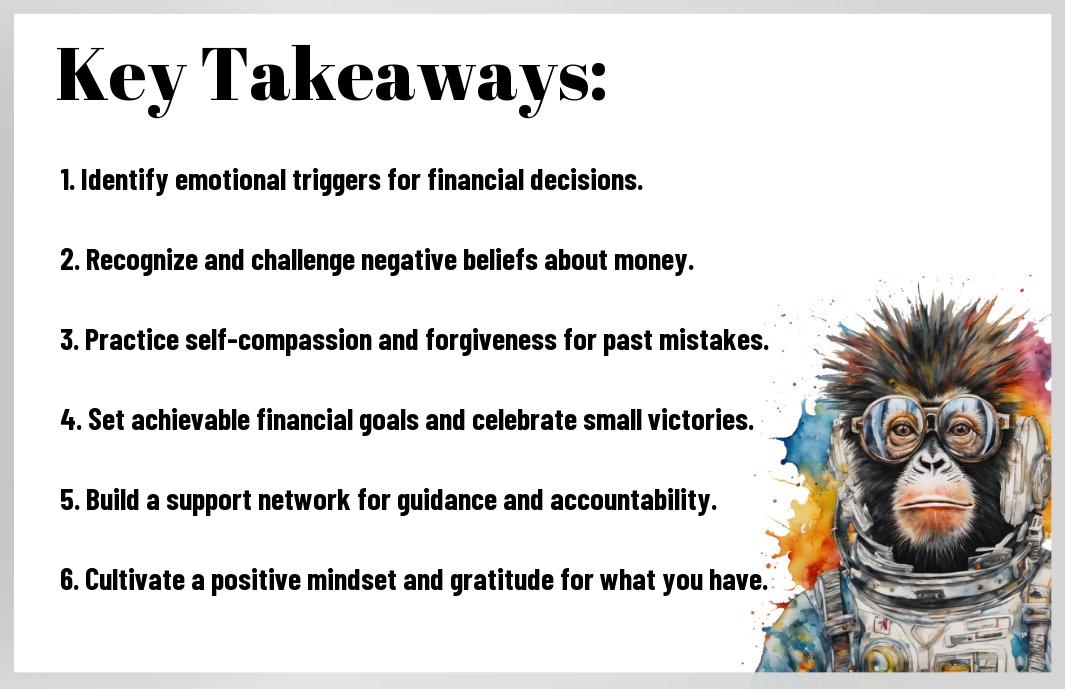
Key Takeaways:
- Identify emotional triggers: It's important to identify the emotions and experiences that trigger your financial worries. This will help you understand the root cause of your stress and anxiety.
- Practice self-awareness: Developing self-awareness can help you recognize and manage your emotions. This can prevent impulsive financial decisions driven by fear or stress.
- Seek support: Surround yourself with a supportive network of friends, family, or professionals who can provide guidance and emotional support during tough financial times.
- Create a realistic plan: Develop a practical and achievable plan to improve your financial situation. Set realistic goals and track your progress to regain financial stability.
- Practice gratitude: Cultivating gratitude can help shift your focus from scarcity to abundance, reducing anxiety and stress associated with financial difficulties.
- Embrace self-care: Engage in activities that promote relaxation, mindfulness, and overall well-being. This can help alleviate the emotional toll of financial woes.
- Be patient and persistent: Recovering from financial struggles takes time and effort. Stay persistent, stick to your plan, and be patient with yourself throughout the process.
Acknowledging the Emotional Toll
While it's essential to focus on the practical steps to recover from financial distress, it's equally important to acknowledge the emotional toll that financial woes can take on you. Managing your emotions and understanding the impact of financial stress on your mental well-being is crucial for a successful recovery. Recognizing the emotional aspects of your financial situation will help you build a strong foundation for regaining control over your finances. For more insights on this, you can read the article Taming Emotional Spending: A Financial Therapy Blueprint.
Recognizing Emotional Patterns
One of the first steps in recovering from financial woes is recognizing your emotional patterns. Whether it's impulsive spending, avoidance of financial responsibilities, or using money as a way to cope with stress or emotions, identifying these patterns is crucial. Understanding how your emotions drive your financial decisions will empower you to take control and make positive changes. By recognizing these patterns, you can begin to break negative financial habits and establish healthier emotional connections to money.
Addressing Shame and Guilt
Shame and guilt are common emotional responses to financial difficulties. It's important to address these feelings and recognize that you are not alone in experiencing them. Shame and guilt can be debilitating, making it difficult to take the necessary steps toward recovery. By acknowledging these emotions and seeking support, whether through therapy, support groups, or trusted friends and family, you can begin to release the burden of shame and guilt and move forward with a positive mindset.

Strategies for Emotional Recovery
To overcome the emotional impact of financial woes, you need to develop strategies that will help you regain emotional stability and resilience. There are several ways you can do this, including the practice of mindfulness and the building of emotional resilience.
The Power of Mindfulness
Mindfulness is the practice of being fully present and engaged in the current moment, without being overwhelmed by stress and worry about the future. By focusing on the present, you can reduce anxiety and rumination, allowing you to better cope with the challenges you are facing. Introducing mindfulness techniques into your daily routine, such as meditation or deep breathing exercises, can help you to quiet your mind and find inner peace amidst financial turmoil.
Building Emotional Resilience
Building emotional resilience involves developing the ability to bounce back from setbacks and challenges. By strengthening your emotional resilience, you can better handle the stress and uncertainty that come with financial difficulties. This can be achieved through practices such as positive self-talk, seeking support from others, and embracing change as an opportunity for growth. By developing a more positive mindset and the ability to adapt to change, you can strengthen your emotional well-being and face the future with greater confidence.
Financial Rebuilding Steps
Now that you have acknowledged your financial woes and are ready to take control of your situation, it's time to start the rebuilding process. This chapter will guide you through the necessary steps to recover from financial hardship and set yourself up for a more secure future.Creating a Realistic Budget Plan
The first step in rebuilding your financial stability is to create a realistic budget plan. This involves taking a hard look at your income, expenses, and financial goals. Start by tracking your monthly income and expenses to get a clear picture of where your money is going. Then, identify areas where you can cut back on non-essential spending and allocate more funds towards essential expenses and debt repayment. Be sure to set achievable targets, and be honest with yourself about your spending habits and financial discipline. Creating a budget plan that reflects your current financial situation and goals will help you regain control over your finances.Prioritizing Debts and Savings
Once you have a clear understanding of your financial situation, the next step is to prioritize your debts and savings. Identify high-interest debts that are costing you the most money and prioritize paying them off as quickly as possible. At the same time, begin building an emergency fund to ensure you have a financial safety net for unexpected expenses. It's crucial to prioritize these efforts to avoid falling back into the cycle of debt and financial instability. By focusing on debt repayment and building up savings simultaneously, you will be laying a solid foundation for your financial future.Moving Forward
Your journey towards recovering from financial woes is a process that requires both time and effort. As you move forward, it is important to focus on setting new financial goals and embracing a positive financial outlook.
Setting New Financial Goals
Setting new financial goals is crucial in rebuilding your financial stability. Take the time to assess your current financial situation and determine what you want to achieve in the short and long term. Whether it's paying off debt, saving for a specific purchase, or building an emergency fund, setting clear and achievable financial goals will help you stay focused and motivated. Break down your goals into smaller, manageable steps and create a timeline for achieving them. This will give you a clear roadmap to follow and track your progress along the way.
Embracing a Positive Financial Outlook
Embracing a positive financial outlook is essential for overcoming past setbacks and moving forward with confidence. While it's normal to feel discouraged after experiencing financial woes, it's important to shift your mindset towards one that is more optimistic. Focus on the lessons you've learned from your past financial challenges and use them as motivation to improve your financial situation. Surround yourself with positive influences, whether it's reading inspirational financial success stories or seeking support from like-minded individuals. By cultivating a positive financial outlook, you will be better equipped to overcome obstacles and make informed financial decisions.
The Emotional Blueprint for Recovering from Financial Woes
Ultimately, recovering from financial hardship is a journey that requires understanding and addressing the emotional impact of your situation. By acknowledging your feelings of stress, anxiety, and fear, you can begin to develop a blueprint for recovery that includes self-care, seeking support, and creating a realistic plan for moving forward. It's important to remember that it's okay to ask for help and to take the time you need to heal emotionally. By prioritizing your emotional well-being, you can better navigate the challenges of financial recovery and ultimately achieve a sense of peace and stability in your life.
FAQ
Q: What is 'The Emotional Blueprint for Recovering from Financial Woes'?
A: 'The Emotional Blueprint for Recovering from Financial Woes' is a comprehensive guide designed to help individuals navigate the emotional and psychological challenges that often accompany financial difficulties. It provides practical strategies and tools for managing stress, anxiety, and other emotions related to financial struggles.
Q: Who can benefit from 'The Emotional Blueprint for Recovering from Financial Woes'?
A: This blueprint is beneficial for anyone who is experiencing financial difficulties or has recently gone through a challenging financial situation. It is especially helpful for those who are feeling overwhelmed, stressed, or anxious about their financial circumstances.
Q: What are some key topics covered in 'The Emotional Blueprint for Recovering from Financial Woes'?
A: The blueprint covers a wide range of topics, including understanding the emotional impact of financial struggles, coping with stress and anxiety, reframing negative beliefs about money, rebuilding confidence and self-esteem, and developing a positive mindset for financial recovery.
Q: How can 'The Emotional Blueprint for Recovering from Financial Woes' help individuals overcome their financial challenges?
A: By addressing the emotional aspects of financial difficulties, this blueprint empowers individuals to develop resilience, enhance their coping skills, and build a strong foundation for moving forward. It provides actionable insights and techniques to help individuals regain control over their emotions and take proactive steps toward financial recovery.
Q: Is 'The Emotional Blueprint for Recovering from Financial Woes' based on scientific research and evidence-based practices?
A: Yes, this blueprint is informed by the latest findings in psychology, behavioral economics, and emotional intelligence. The strategies and techniques recommended are backed by research and are designed to help individuals effectively manage their emotions and navigate the challenges of financial recovery.