
Obscure studies show that cognitive-behavioral therapy (CBT) can be the key to dealing with rejection and bouncing back stronger than ever. With the rise of Rejection Therapy Game - Exposure CBT, individuals are finding new ways to conquer their fear of rejection and develop a thick skin. Whether it's in relationships, careers, or everyday life, CBT is a powerful tool that helps boost self-esteem and improve coping mechanisms. By learning how to change negative thought patterns and behaviors, individuals can overcome rejection and move forward
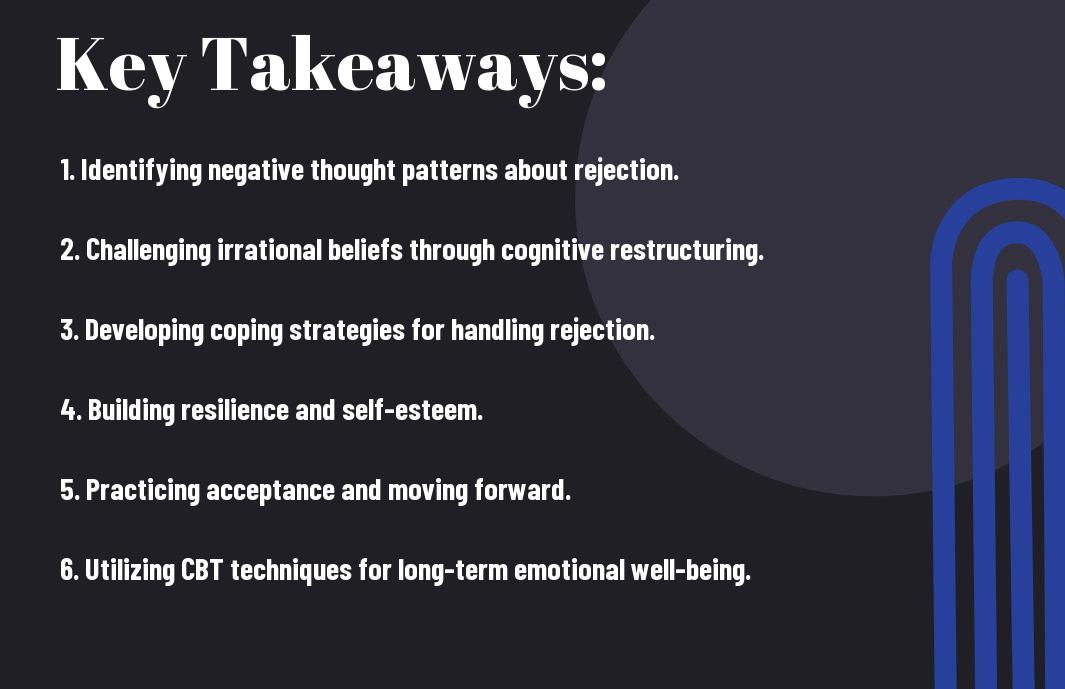
Key Takeaways:
- Recognize Your Thoughts: When dealing with rejection, it's important to recognize and challenge negative thoughts and beliefs that may be holding you back.
- Practice Self-Compassion: Show yourself some love and kindness. This means forgiving yourself, and not beating yourself up over rejection.
- Develop Coping Strategies: Learn healthy ways to deal with rejection, such as deep breathing, talking to a friend, or engaging in a favorite hobby.
- Challenge Negative Thought Patterns: Work on changing your negative thought patterns and replacing them with more positive and constructive thoughts.
- Set Realistic Goals: Instead of dwelling on rejection, focus on setting realistic goals and taking small steps toward achieving them.
- Seek Professional Help: Sometimes it's best to reach out to a professional for guidance and support in dealing with rejection.
- Move On and Let Go: It's crucial to accept rejection, learn from it, and move on, rather than getting stuck in a negative cycle of self-doubt.
The Realness of Rejection
Some people think rejection ain't no biggie, but the truth is, it can hit hard. Whether it's getting turned down for a job, being dumped by a significant other, or being left out by a friend, rejection can sting like a punch in the gut. It's easy to feel hurt, frustrated, and even angry when faced with rejection, but it's important to remember that it's a natural part of life.
When You Feel Played: Understanding the Sting
When rejection hits, it can feel like a deep betrayal. The sting of rejection can make a person question their worth and leave them feeling vulnerable and exposed. It's important to recognize that feeling played is a natural response to rejection, but it doesn't define a person's value. Learning to cope with these emotions is key to moving forward and not getting stuck in a negative state of mind.
From Dissed to Pissed: The Emotional Rollercoaster
When faced with rejection, a person can go from feeling dissed to straight-up pissed. The emotional rollercoaster of rejection can lead to feelings of anger, sadness, and confusion. It's essential for a person to acknowledge and process these emotions in a healthy way. Using CBT techniques can help them understand and manage their reactions, ultimately allowing them to move on in a positive direction.

CBT Crew: Spittin' Psychological Game
To deal with rejection, one can enlist the help of the CBT crew. CBT, or cognitive behavioral therapy, is a powerful tool that helps individuals reframe their negative thoughts and behaviors. This crew is all about teaching individuals how to bounce back from rejection and move on with their heads held high.
Break It Down: Cognitive Distortions Uncovered
When it comes to rejection, it's easy for one to fall into the trap of negative thinking. Cognitive distortions are twisted ways of thinking that can lead to feelings of worthlessness and hopelessness. They include black-and-white thinking, overgeneralization, and jumping to conclusions. By identifying and challenging these distortions, one can begin to break free from the grip of rejection and move forward with a more positive mindset.
Rewire the Mess: Thought Patterns & Self-Talk
Thought patterns and self-talk play a crucial role in how one deals with rejection. Reprogramming one's thought patterns and self-talk can be a game-changer. By replacing negative thoughts with positive affirmations, he or she can start to build a more resilient mindset. Instead of beating themselves up over rejection, they can learn to become their own biggest cheerleader, giving themselves the support and encouragement they need to keep pushing forward.

Techniques to Bounce Back
Lastly, when it comes to bouncing back after rejection, CBT equips individuals with a variety of techniques to help them move on and thrive. These techniques are designed to help individuals build resilience and maintain a positive mindset in the face of rejection.
Skills to Pay the Bills: Coping Strategies
When it comes to coping with rejection, CBT teaches individuals to develop effective coping strategies to deal with the associated emotions. This may include learning how to identify and challenge negative thought patterns, practicing self-care activities, and developing healthy coping mechanisms to manage stress and anxiety. By addressing these coping strategies, individuals can begin to work through their feelings of rejection in a constructive and proactive way.
Keep It 100: Building Rejection-Proof Confidence
CBT also focuses on helping individuals build confidence that is rejection-proof. This involves challenging and reframing negative beliefs about oneself, developing a strong sense of self-worth, and cultivating a mindset that is resilient in the face of rejection. By building rejection-proof confidence, individuals can become more self-assured and less affected by external validation, ultimately leading to a more positive and empowered mindset.
Stayin' Up: Maintaining Your Mojo
Despite experiencing rejection, maintaining your confidence and self-esteem is crucial for moving on. One way to stay empowered is through How to Deal With Rejection: 10 Ways to Move On, which provides practical tips for rebuilding self-worth and resilience. By incorporating these strategies, individuals can keep their head high and navigate through turbulent times with grace.
After the Aftermath: Long-Term Healing
Healing from rejection doesn't happen overnight, and it's essential to recognize that it's a journey rather than a quick fix. Establishing healthy coping mechanisms and seeking support from loved ones or a therapist can aid in long-term recovery. It's important for individuals to give themselves grace and time to heal, recognizing that it's okay to not be okay immediately.
On the Come Up: Growth Beyond the Setback
While rejection can be a setback, it can also serve as an opportunity for growth. Learning from the experience and using it as motivation to pursue new goals or personal development can pave the way for a brighter future. Embracing the setback as a stepping stone to something greater can shift perspectives and empower individuals to thrive despite the initial rejection.