
It's an incontrovertible fact that panic attacks can strike anyone at any time. However, have you ever wondered if there are certain age groups that are more susceptible to experiencing panic attacks? According to the Any Anxiety Disorder - NIMH - National Institutes of Health (NIH), research indicates that although panic attacks can occur at any age, they are most common in young adults and females. This means that if you're in your late teens or early twenties, or you're a woman, you may be at a higher risk of experiencing a panic attack. It's important to be aware of these risk factors so that you can be proactive in managing your mental health.
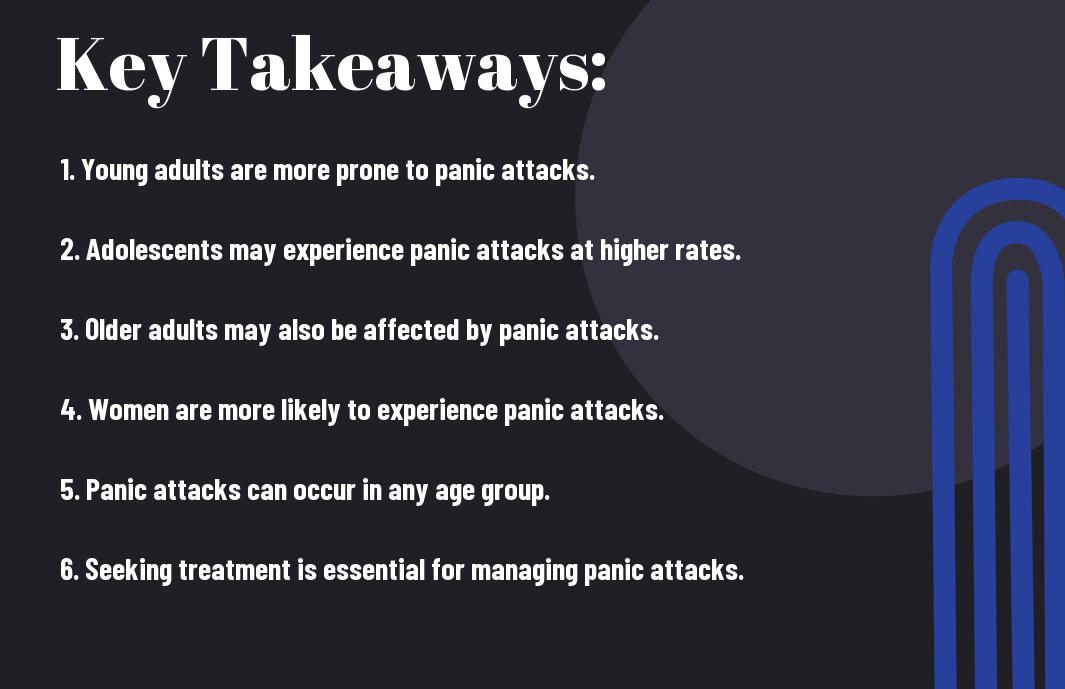
Key Takeaways:
- Panic attacks can occur at any age: While panic attacks can happen at any age, they are most commonly experienced between late adolescence and early adulthood.
- Young adults are at a higher risk: Research suggests that individuals between the ages of 18 and 35 are more susceptible to panic attacks due to life stressors and developmental changes.
- Elderly individuals are not exempt: Although panic attacks are often associated with younger individuals, older adults can also experience them, especially if they have underlying health conditions or are dealing with major life changes.
- Children and adolescents can also be affected: While less common, panic attacks can occur in younger age groups, usually in response to significant stress or trauma.
- Men and women can experience panic attacks equally: Contrary to popular belief, panic attacks are not more common in one gender over the other and can affect individuals of any gender identity.
- Genetic and environmental factors play a role: Certain age groups may be more susceptible to panic attacks due to a combination of genetic predisposition and environmental triggers, such as traumatic events or chronic stress.
- Early intervention is crucial: Regardless of age, seeking help for panic attacks is important in order to prevent them from becoming more severe and interfering with daily life.
Prevalence of Panic Attacks Across Age Groups
Some research suggests that panic attacks can occur in any age group. However, certain age groups may be more prone to experiencing panic attacks than others. Let's take a closer look at the prevalence of panic attacks across different age groups.
Children and Adolescents
Children and adolescents can also experience panic attacks, although they may present differently than in adults. You may notice symptoms such as excessive worrying, fear of separation from parents, or physical complaints such as stomachaches or headaches. It's important to take these symptoms seriously and seek professional help if you suspect your child may be experiencing panic attacks.
Young Adults
Young adulthood can be a particularly vulnerable time for experiencing panic attacks. This is often a period of significant life changes, such as transitioning to college or starting a new career. The stress and pressure of these changes, along with the uncertainty of the future, can contribute to an increased risk of panic attacks. It's essential to seek support and coping mechanisms during this time to help manage stress and reduce the likelihood of panic attacks.
Middle Age Adults
During the middle age years, the responsibilities and pressures of work, family, and finances can contribute to an increased risk of experiencing panic attacks. You may find yourself juggling multiple responsibilities and feeling overwhelmed, which can trigger panic attacks. It's crucial to prioritize self-care and seek professional help if you find yourself struggling to cope with the demands of this life stage.
Older Adults
While panic attacks may be less common in older adults, they can still occur. Major life changes such as retirement, health issues, or the loss of loved ones can contribute to feelings of anxiety and panic. The impact of these changes on your mental well-being should not be overlooked. Seeking support from mental health professionals and maintaining social connections can be essential for managing anxiety and panic attacks in older adulthood.
Risk Factors and Triggers by Age
After analyzing the data, it has been found that panic attacks can affect individuals at any age, but certain age groups may be more susceptible to experiencing them. Here are some risk factors and triggers to be aware of based on your age:
- Teenagers: Adolescence is a time of significant change and stress. You may be more vulnerable to panic attacks due to hormonal fluctuations, academic pressures, and social challenges.
- Young Adults: As you navigate the transition from school to work, financial pressures, and relationship issues, you may experience panic attacks at a higher rate. Substance abuse and lifestyle choices can also contribute to this risk.
- Adults: The responsibilities of career, relationships, and family can lead to heightened stress and anxiety, making adults more prone to panic attacks. Additionally, medical conditions and the use of certain medications may also contribute to this risk.
- Elderly Individuals: As you age, you may face various challenges, such as health issues, loss of loved ones, and loneliness, which can contribute to the development of panic attacks.
Knowing the risk factors and triggers that are relevant to your age group can help you better understand and manage your susceptibility to panic attacks.
Genetic and Biological Factors
Genetic and biological factors can play a significant role in determining your susceptibility to panic attacks. Research has shown that individuals with a family history of anxiety disorders or mental health conditions may be at a higher risk of experiencing panic attacks. Additionally, imbalances in brain chemicals, such as serotonin and noradrenaline, can contribute to the development of panic attacks. After considering these factors, it is important to be mindful of your family history and seek medical guidance if necessary.
Environmental and Life Events
Environmental and life events can also act as triggers for panic attacks. Stressful life events, such as the loss of a loved one, relationship problems, job loss, or financial difficulties, can significantly impact your mental well-being. Additionally, exposure to trauma, abuse, or significant life changes can also contribute to the development of panic attacks. It is important to recognize the impact of these environmental factors on your mental health and seek support when needed.
Impact and Consequences of Panic Attacks
Lastly, it's important to understand the impact and consequences of panic attacks, as they can have significant effects on your overall well-being. Panic attacks can lead to a range of mental and physical health outcomes, and it's important to be aware of these potential consequences in order to seek appropriate help and support.
Mental Health Outcomes
One of the most significant consequences of panic attacks is the impact on your mental health. If left untreated, panic attacks can lead to the development of anxiety disorders, such as panic disorder or agoraphobia. These conditions can have a profound impact on your daily life, affecting your ability to work, socialize, and carry out everyday tasks. Additionally, untreated panic attacks can also increase your risk of developing depression, as the constant fear and anxiety can take a significant toll on your emotional well-being.
Physical Health Correlations
Another consequence of panic attacks is the impact on your physical health. The intense fear and stress experienced during a panic attack can have negative effects on your body, including increased heart rate, chest pain, and shortness of breath. Over time, these physical symptoms can take a toll on your cardiovascular health, potentially increasing your risk of heart disease. Additionally, the ongoing stress and fear associated with panic attacks can weaken your immune system, making you more susceptible to illness and disease.
Management and Treatment Strategies
To effectively manage and treat panic attacks, it is important to work with a healthcare professional to develop a personalized plan that addresses your specific needs and triggers. There are a variety of treatment options available, including therapy, medication, and alternative treatments that can help you to effectively manage your symptoms and regain control over your life.
Therapeutic Approaches for Different Ages
Therapy can be an effective treatment for panic attacks, and different age groups may benefit from different types of therapy. For children and adolescents, family therapy or cognitive-behavioral therapy (CBT) may be particularly beneficial in helping them understand and cope with their symptoms. For adults, individual therapy, group therapy, or exposure therapy may be recommended to help address underlying triggers and develop coping mechanisms. It is important to work with a therapist who has experience in treating panic attacks and understands the unique challenges that different age groups may face.
Medication and Alternative Treatments
Medication can be an important part of the treatment plan for panic attacks, particularly for those with severe or persistent symptoms. Your healthcare professional may prescribe antidepressants, anti-anxiety medications, or beta-blockers to help manage your symptoms. It is important to work closely with your healthcare professional to find the right medication and dosage for you, as some medications can have serious side effects. In addition to medication, alternative treatments such as yoga, meditation, acupuncture, or herbal supplements may also be helpful in managing symptoms. However, it is important to approach these treatments with caution and consult with your healthcare professional before incorporating them into your treatment plan.

Summing up
Based on data from the CDC, panic attacks seem to be more common in certain age groups. Adults aged 18-44 are more likely to experience panic attacks compared to older adults. The prevalence of panic attacks decreases as individuals get older. It is important to be aware of the symptoms of panic attacks, as well as generalized anxiety disorder, regardless of your age. If you or someone you know is experiencing symptoms, seek support and guidance from a healthcare professional. For more information on the symptoms of generalized anxiety disorder among adults, you can visit the CDC website here.
FAQ
Q: Are panic attacks more common in certain age groups?
A: Yes, panic attacks can occur at any age, but they are most common in young adults and peak around the age of 20 to 24. However, they can also occur in children, adolescents, and older adults.
Q: What causes panic attacks in different age groups?
A: Panic attacks can be caused by a variety of factors, including genetic predisposition, environmental stressors, and changes in brain chemistry. In younger age groups, factors such as academic pressure, social expectations, and hormonal changes may contribute to the onset of panic attacks.
Q: Can children experience panic attacks?
A: Yes, children can experience panic attacks. While they may not always express their symptoms in the same way as adults, they can still experience intense fear, rapid heart rate, and difficulty breathing during a panic attack.
Q: Are panic attacks more common in older adults?
A: While panic attacks are often associated with younger age groups, they can also occur in older adults. Factors such as chronic health conditions, life transitions, and stressors related to aging can contribute to the development of panic attacks in this age group.
Q: Can hormonal changes contribute to panic attacks in women?
A: Yes, hormonal changes associated with menstruation, pregnancy, and menopause can increase the risk of panic attacks in women. Fluctuations in estrogen and progesterone levels can impact brain chemistry and trigger panic symptoms.
Q: What can be done to manage panic attacks in different age groups?
A: Treatment for panic attacks may include a combination of therapy, medication, lifestyle changes, and stress management techniques. It's important for individuals of all ages to seek professional help to address their symptoms and develop personalized treatment plans.
Q: Are panic attacks a sign of a more serious mental health condition?
A: Panic attacks can be a symptom of various mental health conditions, including panic disorder, generalized anxiety disorder, and other anxiety-related disorders. It's important to undergo a thorough evaluation by a mental health professional to determine the underlying cause of the panic attacks and receive appropriate treatment.