
Are you feeling overwhelmed by the emotional strain caused by financial difficulties? As the provider for your family, the weight of financial woes can take a toll on your mental and emotional well-being. It's crucial to acknowledge the impact of financial stress on your overall health and seek effective ways to overcome it. In this blog post, we will explore the challenges faced by providers and provide strategies to help you manage and overcome the emotional strain from financial woes.
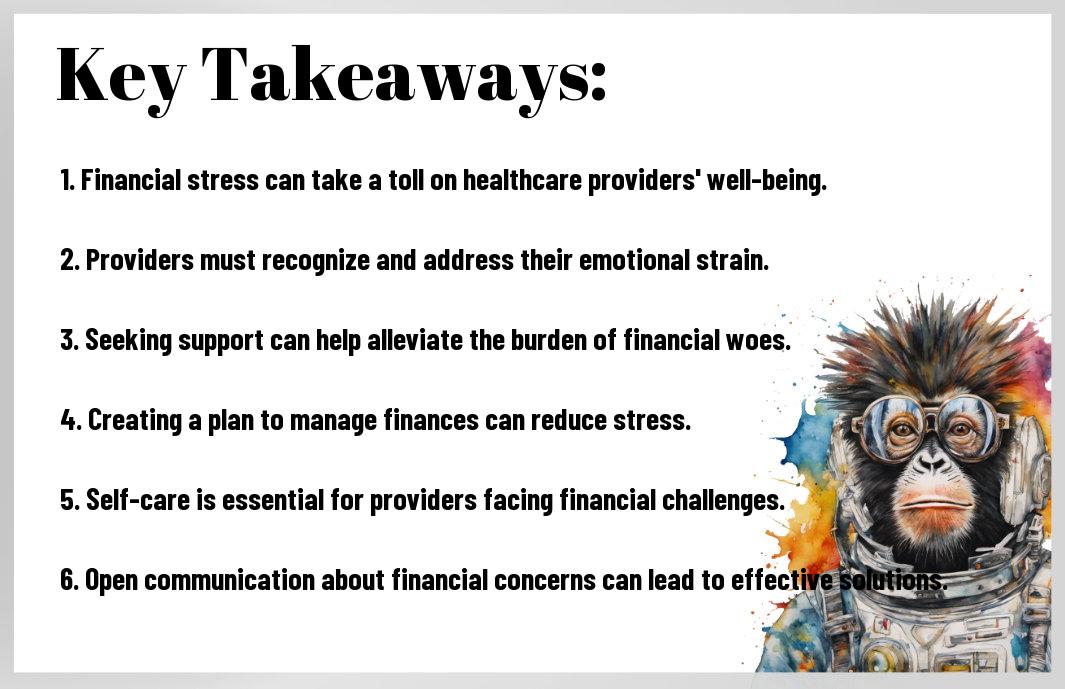
Key Takeaways:
- Recognize the emotional toll: It's important for providers to acknowledge the impact of financial stress on their mental well-being. Understanding and recognizing the emotional strain is the first step towards overcoming it.
- Seek support: Providers should not hesitate to seek out support, whether it's from friends, family, or mental health professionals. It's crucial to have a strong support system in place during times of financial strain.
- Practice self-care: Taking care of oneself is essential for coping with financial woes. Engaging in activities that bring joy and relaxation can help alleviate stress and improve mental health.
- Develop a plan: Creating a financial plan can provide a sense of control and direction. Breaking down financial goals into manageable steps can make the situation feel less overwhelming.
- Focus on what can be controlled: While it's natural to worry about finances, it's important to focus on what can be controlled. Providers should prioritize actions that are within their power to improve their financial situation.
- Practice gratitude: Cultivating a mindset of gratitude can help shift focus away from financial stress. Expressing gratitude for the things that are going well in life can bring a sense of perspective and peace.
- Stay optimistic: Maintaining a positive outlook, despite financial challenges, can help providers navigate through difficult times. Believing in the possibility of a brighter financial future can provide motivation and hope.
The Emotional Toll of Financial Pressure
The emotional toll of financial pressure can have a significant impact on your overall well-being. The stress and anxiety that come with struggling to make ends meet can take a heavy toll on your mental and emotional health. It's important to recognize and address these challenges in order to overcome them and prevent them from taking over your life.
Psychological Impact on Providers
The constant worry about finances can lead to a range of psychological issues, including depression, anxiety, and even feelings of worthlessness. The pressure to provide for your family and meet your financial obligations can weigh heavily on your mind, leading to a constant state of stress and unease. This can have a detrimental effect on your overall mental well-being, making it difficult to function at your best in other areas of your life.
Relationship between Financial Stress and Mental Health
The relationship between financial stress and mental health is well-documented, with numerous studies highlighting the negative impact that financial strain can have on your mental well-being. The constant worry about money can lead to insomnia, irritability, and difficulty concentrating, all of which can have a significant impact on your overall quality of life. It's important to recognize the signs of mental strain caused by financial pressure and take proactive steps to address them.
Strategies for Managing Emotional Strain
Keep in mind that managing emotional strain from financial woes can be challenging, but it is possible to overcome. By implementing effective strategies, you can navigate through this difficult time and emerge stronger. Here are some strategies to help you manage the emotional strain that comes with financial difficulties.
Financial Planning and Management
When facing financial difficulties, it is essential to have a solid financial plan in place. This involves creating a budget, tracking your expenses, and setting realistic financial goals. By taking control of your finances and having a clear plan, you can better manage your emotional strain. Additionally, seek advice from a financial planner if needed to help you create a strategy to overcome your financial difficulties.
Seeking Professional Guidance
Seeking professional guidance is a crucial step in managing emotional strain caused by financial woes. This could involve consulting with a therapist or counselor to help you cope with the stress and anxiety that comes with financial difficulties. Financial counselors can also provide guidance on managing debt, budgeting, and planning for the future. Remember that seeking professional help is a sign of strength, and it can provide you with the support and guidance you need to overcome this challenging time.
Support Systems and Resources
Not all financial burdens should be shouldered alone. When you are faced with emotional strain from financial woes, it is important to know that you have support systems and resources available to help you navigate through these difficult times. Seeking help and utilizing available resources can make a significant difference in how you cope with the challenges you are facing.
Leveraging Community and Social Support
Community and social support can be a valuable asset when you are dealing with financial stress. Surrounding yourself with friends, family, or support groups can provide you with a strong emotional support system. It is essential to lean on those who care about you and are willing to offer assistance. Having a community of people who understand and empathize with your situation can help alleviate some of the emotional strain you are experiencing.
Utilizing Online and Offline Resources for Providers
When you are faced with financial woes, it is crucial to utilize online and offline resources that are available to you. These resources can range from financial counseling services and support hotlines to online forums and educational materials. You can seek professional guidance to help you manage your finances, access government assistance programs, or find local resources that offer financial aid. Additionally, there are online platforms and apps that can provide budgeting tools, money management tips, and advice on handling debt. By tapping into these resources, you can gain valuable knowledge and support to overcome the emotional strain caused by financial difficulties.
Building Resilience and Preventative Measures
Unlike what many people might think, building resilience to overcome emotional strain from financial woes is not just about toughening up and enduring the situation. It involves a combination of emotional resilience techniques and proactive financial wellness practices that can help you weather the storm and emerge even stronger.
Developing Emotional Resilience Techniques
When dealing with the emotional strain of financial woes, it is important to develop emotional resilience techniques that can help you navigate through tough times. Practicing mindfulness and meditation can help you stay present and focused, allowing you to manage stress and anxiety more effectively. Additionally, seeking support from friends, family, or a therapist can provide you with the emotional support and guidance you need to overcome the challenges you are facing. Remember, it's okay to ask for help when you need it.
Proactive Financial Wellness Practices
Proactive financial wellness practices can help you take control of your financial situation and prevent future crises. Creating and sticking to a budget can help you manage your finances effectively, ensuring that you are able to meet your financial obligations and save for the future. Additionally, establishing an emergency fund can provide you with a safety net in case of unexpected expenses or income loss. Developing a strategic financial plan can give you a roadmap for achieving your financial goals and protecting yourself from future crises.

To wrap up
Overcoming emotional strain from financial woes is no easy task, but it is essential for your well-being and the well-being of those who depend on you. By acknowledging your emotions, seeking support, and taking proactive steps to improve your financial situation, you can break free from the provider's dilemma. Remember that it is okay to ask for help, and that taking care of your mental and emotional health is just as important as taking care of your financial health. By addressing your emotions head-on and taking the necessary steps to overcome financial strain, you can empower yourself to move forward with confidence and resilience.
FAQ
Q: What is The Provider's Dilemma - Overcoming Emotional Strain from Financial Woes about?
A: The Provider's Dilemma is a comprehensive guide that addresses the emotional impact of financial struggles on those responsible for providing for their families. It offers practical strategies to help individuals navigate and overcome these challenges.
Q: Who can benefit from reading The Provider's Dilemma?
A: This book is designed for anyone who experiences emotional strain due to financial difficulties, particularly those who feel pressure to provide for others. This includes parents, breadwinners, and caregivers.
Q: What are some common emotional challenges faced by providers in times of financial hardship?
A: Providers often experience feelings of guilt, shame, anxiety, and inadequacy when they are unable to meet the financial needs of their loved ones. They may also struggle with the fear of letting others down and the pressure to maintain a facade of strength.
Q: How does The Provider's Dilemma address these emotional challenges?
A: The book provides practical exercises, coping strategies, and insightful advice to help providers navigate and overcome the emotional strain caused by financial woes. It offers a roadmap to build resilience, self-compassion, and mental well-being during difficult times.
Q: Is The Provider's Dilemma based on research and evidence-based practices?
A: Yes, the content of The Provider's Dilemma is backed by research in psychology, neuroscience, and mental health. The strategies and techniques recommended in the book are rooted in evidence-based practices that have been proven to help individuals overcome emotional strain related to financial challenges.