
Have you ever experienced a sudden surge of overwhelming fear or anxiety, accompanied by physical symptoms such as a racing heartbeat or shortness of breath? These could be signs of a panic attack, a frightening experience that can leave you feeling powerless. If you have been diagnosed with Attention Deficit Hyperactivity Disorder (ADHD), you may be at an increased risk for developing panic attacks. Panic attacks can be a symptom of ADHD, affecting both children and adults. It is crucial to understand the connection between the two conditions, as undiagnosed or untreated panic attacks can have serious consequences for your mental and physical health. In this post, we will explore the link between panic attacks and ADHD, and discuss the importance of seeking proper treatment
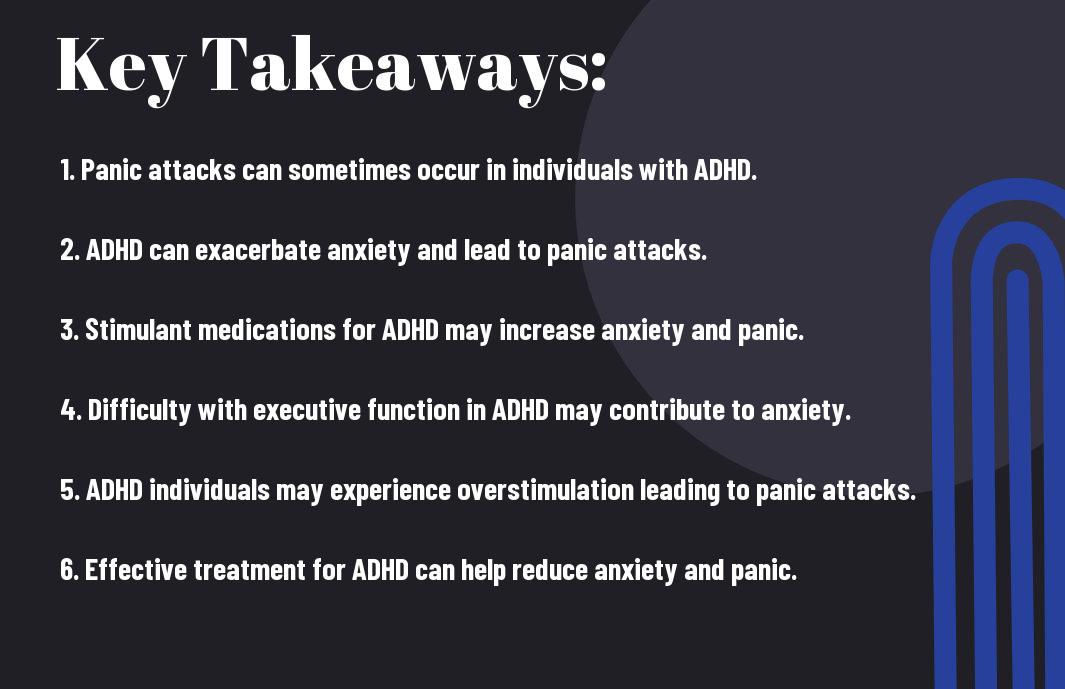
.Key Takeaways:
- Panic attacks can be a symptom of ADHD: Research has shown a link between ADHD and panic attacks, with individuals with ADHD being at a higher risk for experiencing panic attacks.
- ADHD can manifest in various ways: While hyperactivity and impulsivity are commonly associated with ADHD, it can also present with symptoms such as anxiety and panic attacks.
- Co-occurring conditions: It is not uncommon for individuals with ADHD to also experience other mental health issues, such as anxiety disorders, including panic attacks.
- Adolescents and adults with ADHD: Panic attacks may be more common in adolescents and adults with ADHD, and it is important for healthcare professionals to consider the possibility of co-occurring conditions.
- Understanding the underlying factors: It is important to understand the underlying factors contributing to panic attacks in individuals with ADHD, as this can inform treatment and management strategies.
- Effective management and treatment: Addressing both ADHD and co-occurring conditions, such as panic attacks, through a comprehensive treatment plan can improve overall well-being and quality of life.
- Seeking professional help: Individuals experiencing panic attacks or other symptoms should seek professional help to receive an accurate diagnosis and appropriate support and treatment.
Understanding Panic Attacks
Assuming you have experienced an episode of panic attack, you know that it can be a terrifying and overwhelming experience. Panic attacks are sudden episodes of intense fear or anxiety, often accompanied by physical symptoms such as rapid heartbeat, sweating, and difficulty breathing. According to a study on Adult Attention Deficit Hyperactivity Disorder in an Anxiety ..., panic attacks are commonly linked to anxiety disorders, but they can also be a symptom of other underlying conditions, including ADHD.
Symptoms of Panic Attacks
Panic attacks can manifest in a variety of ways, but common symptoms include intense feelings of fear or impending doom, shortness of breath, chest pain, and dizziness. During a panic attack, you may also experience trembling, sweating, and a sense of unreality or detachment from your surroundings. You may also feel like you are having a heart attack or going crazy. It's important to recognize these symptoms and seek help if you experience them.
Triggers and Risk Factors
Triggers for panic attacks can vary from person to person, but common triggers include stressful situations, phobias, and traumatic events. Other risk factors for panic attacks may include a family history of anxiety disorders, significant life changes, and certain medical conditions.
- Stressful situations
- Phobias
- Traumatic events
- Family history of anxiety disorders
- Significant life changes
- Certain medical conditions
The Link Between Panic Attacks and ADHD
To understand the link between panic attacks and ADHD, it is important to look at the connection between ADHD and comorbid anxiety disorders, as well as the research findings on panic attacks as a symptom of ADHD.
ADHD and Comorbid Anxiety Disorders
Individuals with ADHD are at a higher risk of developing comorbid anxiety disorders. It is estimated that up to 30% of people with ADHD also have an anxiety disorder. The symptoms of ADHD, such as impulsivity and inattention, can contribute to the development of anxiety. The constant feeling of being overwhelmed and the fear of not being able to meet expectations can trigger anxiety in individuals with ADHD. It is important to address both conditions to manage your overall well-being.
Research Findings on Panic Attacks as a Symptom of ADHD
Research has shown that there is a strong association between ADHD and panic attacks. Individuals with ADHD are more likely to experience panic attacks compared to those without ADHD. Panic attacks can be triggered by the challenges and stressors associated with ADHD, such as academic or occupational difficulties, relationship problems, and low self-esteem. It is crucial to recognize the potential for panic attacks as a symptom of ADHD and seek appropriate treatment to address both conditions.
Management and Treatment
However, when it comes to managing panic attacks as a symptom of ADHD, it's important to address both conditions simultaneously in order to find the most effective treatment and management strategies for your symptoms.
Treatment Options for ADHD-Related Panic Attacks
If you are experiencing panic attacks as a symptom of ADHD, it is crucial to seek professional help from a healthcare provider. Your provider may recommend medications such as antidepressants, anti-anxiety drugs, or stimulants to help manage your symptoms. Additionally, therapy, such as cognitive-behavioral therapy (CBT), can be beneficial in treating panic attacks and addressing the underlying ADHD. It's essential to work closely with your healthcare team to find the right combination of medications and therapies that work best for you.
Strategies for Managing Anxiety Symptoms in ADHD
When dealing with panic attacks and anxiety symptoms related to ADHD, it's important to incorporate healthy lifestyle habits into your routine. Regular exercise, adequate sleep, and stress-reducing activities such as yoga or mindfulness meditation can help to alleviate anxiety symptoms. Additionally, developing strong support networks and finding coping mechanisms that work for you can also be beneficial. Remember, managing your anxiety and panic attacks as a symptom of ADHD is a continuous process, and it's crucial to be patient and persistent in finding the right strategies that work for you.

Can panic attacks be a symptom of ADHD?
Presently, research suggests that panic attacks can indeed be a symptom of ADHD. If you or a loved one experience panic attacks in addition to ADHD symptoms, it's important to seek professional help to receive an accurate diagnosis and appropriate treatment. Understanding the link between ADHD and anxiety can help you better manage your symptoms and improve your overall well-being. To learn more about the connection between ADHD and anxiety, and what it means for you, check out The Link Between ADHD + Anxiety: How They're ...
FAQ
Q: Can panic attacks be a symptom of ADHD?
A: Yes, panic attacks can be a symptom of ADHD. While not everyone with ADHD will experience panic attacks, it is not uncommon for individuals with ADHD to have comorbid anxiety disorders, including panic disorder.
Q: What is the relationship between ADHD and panic attacks?
A: Research suggests that individuals with ADHD are at a higher risk for experiencing panic attacks and other anxiety disorders. The exact mechanism behind this relationship is still being studied, but it is believed that the challenges and stress of managing ADHD symptoms may contribute to the development of anxiety.
Q: How can panic attacks be managed in individuals with ADHD?
A: Managing panic attacks in individuals with ADHD typically involves a multidisciplinary approach. This may include medication to address both ADHD and anxiety symptoms, therapy to develop coping strategies, lifestyle changes, and stress management techniques.
Q: Are there any specific ADHD medications that can help with panic attacks?
A: Some medications commonly used to treat ADHD, such as certain stimulants or non-stimulants, may also have a positive impact on anxiety symptoms, including panic attacks. However, it is important to consult with a healthcare professional to determine the most appropriate treatment plan for each individual.
Q: Can therapy be beneficial for individuals with ADHD and panic attacks?
A: Yes, therapy, such as cognitive-behavioral therapy (CBT), can be highly beneficial for individuals with ADHD and panic attacks. CBT can help individuals identify and challenge negative thought patterns, learn coping skills, and develop strategies to manage both ADHD and anxiety symptoms.
Q: Are there lifestyle changes that can help reduce panic attacks in individuals with ADHD?
A: Certain lifestyle changes, such as regular exercise, adequate sleep, stress reduction techniques (e.g., mindfulness and meditation), and a healthy diet, can contribute to reducing the frequency and severity of panic attacks in individuals with ADHD. It is important to consult with a healthcare professional to develop a tailored plan.
Q: Can ADHD and panic attacks coexist with other mental health conditions?
A: Yes, it is possible for individuals with ADHD and panic attacks to also have other coexisting mental health conditions, such as depression, obsessive-compulsive disorder (OCD), or post-traumatic stress disorder (PTSD). A comprehensive evaluation by a healthcare professional can help identify and address any additional mental health concerns.