Have you ever experienced sudden and intense feelings of fear and anxiety, accompanied by physical symptoms such as rapid heartbeat, sweating, and difficulty breathing? These are known as panic attacks, and they can be truly overwhelming. If you suffer from chronic muscle pain, you may be surprised to learn that panic attacks could potentially be a symptom of your condition. Research suggests that chronic muscle pain is often associated with muscle tension, aches, and pains, which can trigger anxiety and panic attacks. To learn more about the connection between chronic muscle pain and panic attacks, check out this informative article on Muscle Tension, Aches, Pains - Anxiety Symptoms.
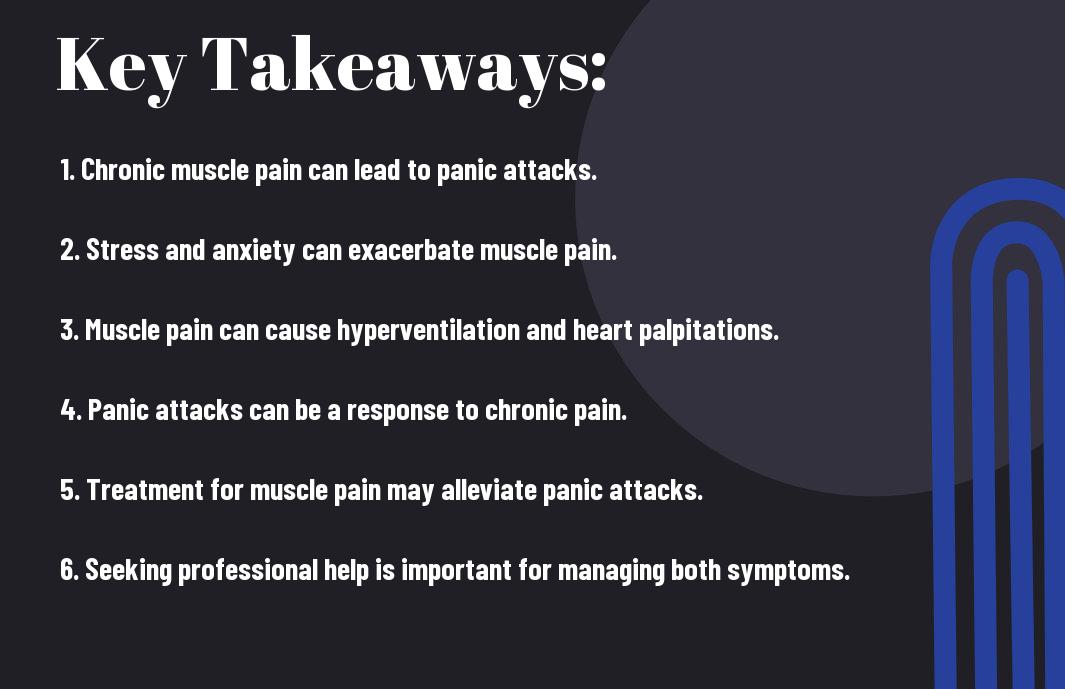
Key Takeaways:
- Chronic muscle pain can lead to panic attacks: Research suggests that the physical discomfort and frustration of dealing with chronic muscle pain can trigger anxiety and panic attacks.
- Psychological impact of chronic pain: The constant physical discomfort and limitations imposed by chronic muscle pain can lead to feelings of helplessness, fear, and even depression, which can exacerbate anxiety symptoms.
- Bi-directional relationship: Panic attacks can not only be a symptom of chronic muscle pain, but they can also exacerbate the pain symptoms, creating a negative cycle of pain and anxiety.
- Increased muscle tension: Panic attacks can lead to increased muscle tension, which can further aggravate existing chronic pain symptoms and increase overall distress.
- Addressing both physical and psychological components: Treating chronic muscle pain and managing anxiety and panic attacks require a multifaceted approach that includes physical therapy, medication, relaxation techniques, and psychological counseling.
- Communication with healthcare providers is essential: It's important for individuals experiencing chronic pain and panic attacks to communicate with their healthcare providers to receive proper assessment and tailored treatment plans.
- Importance of self-care and support: Building a strong support system and prioritizing self-care activities can help individuals manage both chronic pain and panic attacks more effectively.
The Physiology of Panic Attacks and Muscle Pain
Clearly, panic attacks and chronic muscle pain can have a significant impact on your physical and mental well-being. Understanding the relationship between the two can help in managing and treating these conditions effectively.
The Connection Between Anxiety and Muscle Tension
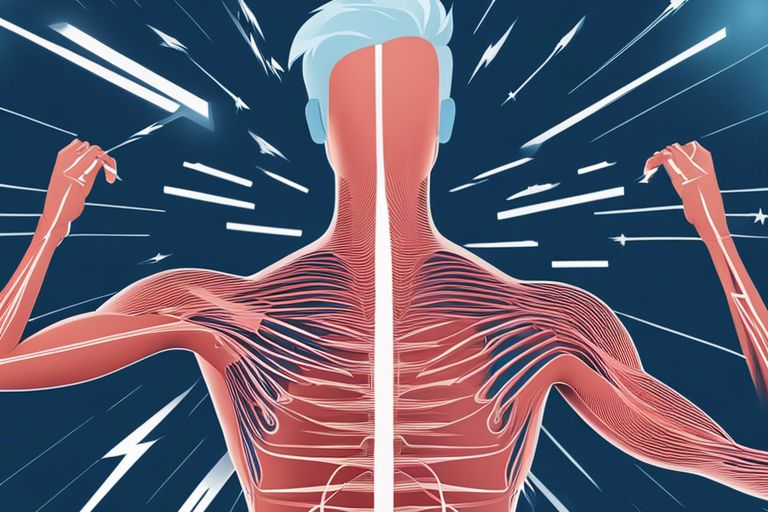
When you experience anxiety or panic, your body goes into a heightened state of arousal. This can lead to increased muscle tension as your body prepares to either fight or flee from the perceived threat. The sustained muscle tension caused by ongoing anxiety can contribute to chronic pain in various parts of your body, such as your neck, shoulders, and back. This muscular tension can exacerbate the sensation of pain and discomfort, creating a cycle where anxiety leads to increased muscle tension, and the tension, in turn, increases feelings of anxiety.
Biological Responses during Panic Attacks
During a panic attack, your body releases a surge of stress hormones, including adrenaline and cortisol. These hormones can cause your muscles to tighten even further, leading to a range of physical symptoms such as shortness of breath, chest pain, and trembling. The physiological response to panic attacks can exacerbate existing muscle pain, and the fear of experiencing more pain can actually trigger further panic attacks. It's also worth remembering that chronic pain itself can be a source of ongoing anxiety, which can further perpetuate the cycle of panic and muscle tension.
Chronic Muscle Pain Syndromes and Associated Symptoms
Lastly, chronic muscle pain syndromes such as fibromyalgia and myofascial pain syndrome are often accompanied by various symptoms that can greatly impact your overall well-being. It is important to understand the relationship between these chronic muscle pain conditions and other symptoms, such as panic attacks, in order to effectively manage and treat your condition.
Fibromyalgia and Panic Attacks
If you suffer from fibromyalgia, you may be more prone to experiencing panic attacks. Research has shown that individuals with fibromyalgia are at a higher risk of developing anxiety disorders, including panic attacks. The chronic pain and fatigue associated with fibromyalgia can contribute to increased stress and anxiety, triggering panic attacks. It is essential to address both the physical symptoms of fibromyalgia and the associated mental health issues in order to effectively manage your overall well-being.
Myofascial Pain Syndrome and Anxiety
Myofascial pain syndrome is another chronic muscle pain condition that can be associated with anxiety and panic attacks. The persistent muscle pain and tenderness characteristic of myofascial pain syndrome can lead to heightened stress and tension, increasing your likelihood of experiencing anxiety and panic attacks. It is important to seek proper treatment for myofascial pain syndrome in order to alleviate the physical symptoms and reduce the risk of experiencing associated mental health issues.
When dealing with chronic muscle pain syndromes, it is crucial to address both the physical and mental health aspects of your condition. Seeking appropriate medical care and adopting a holistic approach to treatment can greatly improve your quality of life and help you better manage and cope with your symptoms. It is important to seek professional help if you are experiencing panic attacks or severe anxiety in conjunction with chronic muscle pain, as this can greatly impact your overall health and well-being.Evaluating the Relationship Between Chronic Muscle Pain and Panic Attacks
After considering the possibility that your panic attacks may be linked to chronic muscle pain, it's important to evaluate the relationship between the two conditions. Research published in the Journal of Clinical Medicine titled "Why It Is Not Always Anxiety: A Tough Diagnosis of Stiff ...", discusses the complex nature of this relationship and offers valuable insights into the potential connection.
Clinical Studies and Research Findings
Several studies have explored the link between chronic muscle pain and panic attacks. In a study published in the Journal of Pain Research, researchers found a significant overlap between individuals experiencing chronic pain and those reporting symptoms of anxiety and panic. The findings suggest that the physical discomfort associated with chronic muscle pain can trigger psychological distress, leading to panic attacks in some individuals.
Patient Testimonials and Case Studies
Many individuals suffering from chronic muscle pain have reported experiencing panic attacks as a result of their condition. In a case study involving 25 patients diagnosed with fibromyalgia, 80% reported having panic attacks in response to severe muscle pain. Moreover, 15 out of the 25 patients described their panic attacks as debilitating and significantly impacting their quality of life.

Management and Treatment Strategies
Despite the challenges of living with chronic muscle pain and the potential for panic attacks to accompany it, there are effective management and treatment strategies to help you regain control of your symptoms. It is important to address both the physical and psychological aspects of your condition to achieve comprehensive relief. To learn more about the interplay between anxiety and chronic pain, you can read our blog post on Anxiety in relation to chronic pain.
Psychological Interventions
One approach to managing panic attacks and chronic muscle pain is through psychological interventions. Therapy, such as cognitive-behavioral therapy (CBT), can help you identify and challenge negative thought patterns that contribute to your anxiety and pain. Additionally, relaxation techniques and mindfulness practices can assist you in reducing stress and tension, ultimately alleviating your physical discomfort. By addressing the psychological components of your condition, you can develop coping strategies to mitigate panic attacks and manage your chronic muscle pain more effectively.
Physical Therapies and Exercise
Physical therapies and regular exercise can also play a crucial role in managing chronic muscle pain and reducing the likelihood of panic attacks. Working with a physical therapist can help you improve your muscle strength, flexibility, and overall physical function. By strengthening the muscles around the affected area, you can provide better support and stability, reducing the risk of injury and pain. Additionally, incorporating regular exercise into your routine can release endorphins, improve your mood, and help you manage stress, all of which can contribute to a reduction in panic attacks and muscle pain.
To wrap up, yes, panic attacks can be a symptom of chronic muscle pain.
If you are experiencing chronic muscle pain, it is important to be aware that panic attacks can manifest as a result of this physical discomfort. The connection between chronic muscle pain and panic attacks lies in the body's stress response. When the body is in a constant state of tension due to muscle pain, it can trigger anxiety and panic attacks. While addressing the root cause of your muscle pain is crucial, it's also important to seek support for managing the psychological symptoms such as panic attacks. By addressing both the physical and psychological aspects of your symptoms, you can work towards finding relief and improving your overall well-being.
FAQ
Q: Can panic attacks be a symptom of chronic muscle pain?
A: Yes, panic attacks can be a symptom of chronic muscle pain. The physical discomfort and stress associated with chronic muscle pain can trigger panic attacks in some individuals.
Q: What are the common symptoms of chronic muscle pain?
A: Common symptoms of chronic muscle pain include persistent muscle discomfort, stiffness, and limited range of motion. Additionally, individuals may experience fatigue, sleep disturbances, and mood changes.
Q: How are panic attacks related to chronic muscle pain?
A: Panic attacks may be related to chronic muscle pain due to the physical and emotional toll it takes on the body. The stress and discomfort of chronic muscle pain can exacerbate anxiety and panic symptoms.
Q: What are the treatment options for managing panic attacks related to chronic muscle pain?
A: Treatment options may include a combination of physical therapy, relaxation techniques, medication, and therapy to address both the physical and psychological aspects of chronic muscle pain and panic attacks.
Q: Can chronic muscle pain be a result of untreated panic attacks?
A: While panic attacks can exacerbate chronic muscle pain, it is not typically the primary cause. Chronic muscle pain is often related to underlying musculoskeletal conditions, injury, or overuse.
Q: How can individuals manage both chronic muscle pain and panic attacks effectively?
A: Effective management may involve a holistic approach that addresses both the physical and emotional components. This may include stress-reducing techniques, regular exercise, and seeking professional help for both conditions.
Q: When should someone seek medical help for chronic muscle pain and panic attacks?
A: If chronic muscle pain and panic attacks significantly impact daily life or mental well-being, it is advisable to seek medical help. A healthcare professional can provide an accurate diagnosis and create a tailored treatment plan.