
Have you ever wondered if anxiety attacks can have a lasting impact on your mental health? It's an important question to ask, as untreated anxiety can lead to serious mental health issues down the line. According to the Mayo Clinic, generalized anxiety disorder is often the result of untreated anxiety, and can lead to a range of other mental health issues such as depression, substance abuse, and suicidal thoughts. It's crucial to recognize the signs of anxiety attacks and seek help in order to protect your long-term mental well-being.
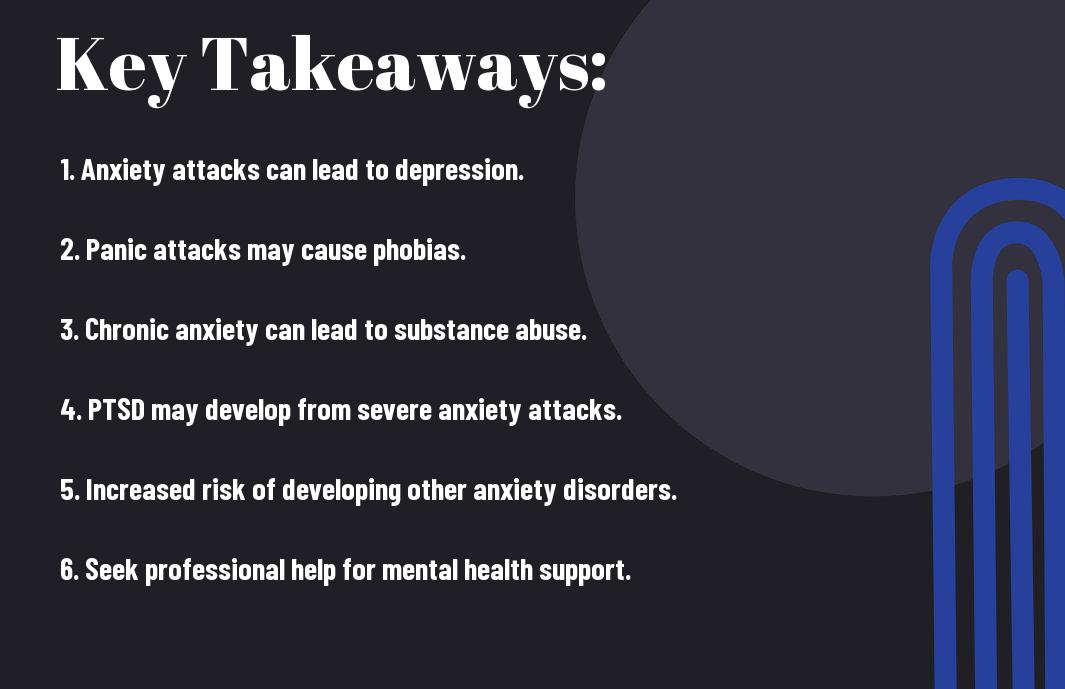
Key Takeaways:
- Anxiety attacks can lead to other mental health issues such as depression, substance abuse, and other anxiety disorders.
- There is a correlation between anxiety attacks and the development of other mental health conditions.
- Early intervention and treatment for anxiety attacks can help prevent the onset of other mental health issues.
- Individuals experiencing anxiety attacks should seek professional help to prevent the development of other mental health problems.
- It is important to address the root cause of anxiety attacks in order to prevent the development of other mental health issues.
- Proper coping mechanisms and management strategies for anxiety attacks can help reduce the risk of other mental health problems.
- Support from friends, family, and mental health professionals is crucial for individuals experiencing anxiety attacks to prevent the onset of other mental health issues.

The Link Between Anxiety Attacks and Mental Health
Some mental health conditions, such as anxiety disorders, are closely linked to anxiety attacks. When anxiety is left untreated, it can significantly impact your mental health, leading to a range of other mental health issues. Understanding the connection between anxiety attacks and mental health is important for identifying and addressing the potential risks.
Long-Term Effects of Chronic Anxiety
Chronic anxiety can have long-term effects on your mental health. Prolonged exposure to anxiety attacks may increase your risk of developing other mental health conditions such as depression, panic disorder, and substance abuse disorders. The constant state of heightened stress and worry can take a toll on your emotional well-being, leading to difficulties in coping with daily life and impacting your overall quality of life.
Triggers and Risk Factors
When it comes to anxiety attacks, there are several triggers and risk factors that can contribute to the development of other mental health issues. Genetics, personality traits, and traumatic life experiences can all play a role in increasing your susceptibility to anxiety attacks and their potential impact on your mental health. Additionally, having a family history of anxiety disorders or other mental health conditions can also heighten your risk. This can be exacerbated by chronic stress, major life changes, and physical health problems. This combination of risk factors can create a perfect storm for the development of mental health issues. This is why it's crucial to address anxiety attacks and their potential impact on mental health as early as possible.
Common Mental Health Problems Associated with Anxiety Attacks
Now, let's take a look at some of the common mental health issues that are often associated with anxiety attacks. It's important to understand that anxiety attacks can lead to a range of other mental health problems, and recognizing these issues is crucial for seeking appropriate treatment and support.
Depression
When you experience frequent anxiety attacks, you are at a higher risk of developing depression. The constant fear, worry, and physical symptoms of anxiety can take a toll on your mental well-being, leading to feelings of hopelessness, sadness, and extreme fatigue. If left untreated, depression can significantly impair your ability to function, affecting your work, relationships, and overall quality of life.
Obsessive-Compulsive Disorder (OCD)
Anxiety attacks can also contribute to the development of Obsessive-Compulsive Disorder (OCD). The persistent, intrusive thoughts and fears that accompany anxiety attacks can lead to the development of compulsive behaviors as a way to cope with the overwhelming anxiety. This can include repetitive actions, such as checking, ordering, or counting, which can become ritualized and disruptive to your daily life. Seek professional help if you find yourself engaging in these behaviors to manage your anxiety.
Coping Strategies to Mitigate the Impact
Lastly, it's important to discuss coping strategies that can help mitigate the impact of anxiety attacks on your mental health. While anxiety attacks can be overwhelming, there are several effective ways to manage and reduce their impact on your overall well-being.
Lifestyle Changes and Stress Management
One of the most effective ways to cope with anxiety attacks is to make lifestyle changes and practice stress management techniques. This can include regular exercise, maintaining a healthy diet, getting enough sleep, and engaging in activities that bring you joy and relaxation. Additionally, practicing mindfulness and meditation can help you stay grounded and less reactive during anxiety-inducing situations.
Professional Therapies and Treatment Options
If you're struggling to cope with anxiety attacks on your own, it may be beneficial to seek professional help. Therapy, such as cognitive-behavioral therapy (CBT), can provide you with the tools to manage your anxiety more effectively. In some cases, medication may be prescribed by a mental health professional to help alleviate the symptoms of anxiety attacks. It's important to consult with a qualified therapist or psychiatrist to explore the best treatment options for your specific needs.
Prevention and Early Intervention
However, it is important to understand that anxiety attacks can lead to other mental health issues if left untreated. Co-Occurring Disorders such as depression, substance abuse, and other anxiety disorders can develop as a result of untreated anxiety attacks. This is why it is crucial to focus on prevention and early intervention to mitigate the potential impact on your mental health.
Recognizing the Signs of Anxiety Attacks
It is important to recognize the signs of anxiety attacks in yourself or in others. These can include chest pain, rapid heartbeat, shortness of breath, dizziness, and intense feelings of fear or dread. It's important to pay attention to these signs and seek help if you or someone you know experiences them.
Seeking Help and Supporting Loved Ones
If you are experiencing anxiety attacks, it is important to seek help from a mental health professional. They can provide you with strategies to manage your anxiety and prevent it from leading to other mental health issues. Additionally, if you have a loved one who is struggling with anxiety attacks, offer your support and encourage them to seek help. Your support can make a significant difference in their journey towards recovery.

Can anxiety attacks lead to other mental health issues?
With these considerations in mind, it is important to recognize that anxiety attacks can indeed lead to other mental health issues if left unaddressed. The constant stress and fear experienced during anxiety attacks can take a toll on your overall mental well-being, potentially leading to conditions such as depression, panic disorder, and phobias. It is crucial to seek help and support to effectively manage anxiety and prevent it from escalating into more severe mental health issues. If you are struggling with anxiety, it's important to reach out to a mental health professional for assistance and support. For more information on anxiety disorders, visit Anxiety disorders.
FAQ
Q: Can anxiety attacks lead to other mental health issues?
A: Yes, persistent anxiety attacks can potentially lead to other mental health issues such as depression, panic disorder, or phobias. It is important to seek help from a mental health professional if you are experiencing anxiety attacks.
Q: What are the potential consequences of untreated anxiety attacks?
A: Untreated anxiety attacks can lead to more severe mental health issues such as substance abuse, suicidal thoughts, or even physical health problems. Seeking treatment for anxiety attacks is crucial in preventing these consequences.
Q: How can anxiety attacks affect everyday life?
A: Anxiety attacks can significantly impact a person's daily functioning, leading to difficulties in relationships, work, and overall well-being. It is important to address anxiety attacks to improve quality of life.
Q: Can anxiety attacks be a symptom of a larger mental health condition?
A: Yes, anxiety attacks can be a symptom of larger mental health conditions such as generalized anxiety disorder, post-traumatic stress disorder (PTSD), or obsessive-compulsive disorder (OCD). Seeking a professional evaluation can help determine underlying conditions.
Q: What are some effective treatments for anxiety attacks?
A: Treatment options for anxiety attacks may include therapy (such as cognitive-behavioral therapy), medication (such as anti-anxiety medications or antidepressants), and lifestyle changes (such as exercise and stress management techniques). It is important to work with a healthcare professional to determine the most appropriate treatment plan.
Q: Are there ways to prevent anxiety attacks from leading to other mental health issues?
A: Seeking early intervention and treatment for anxiety attacks can help prevent them from progressing into more severe mental health issues. Developing healthy coping strategies and addressing underlying stressors can also mitigate the risk of worsening mental health conditions.
Q: How can I support someone experiencing anxiety attacks?
A: It is important to offer non-judgmental support and understanding to someone experiencing anxiety attacks. Encouraging them to seek professional help and providing a listening ear can be valuable in their recovery process.