
Experiencing a financial crisis can be an overwhelming and daunting experience for anyone. As a provider, it's essential for you to understand the emotional impact that financial crises can have on your clients, and to be equipped with the knowledge and skills to assist them in healing from the trauma of financial hardship. In this blog post, we will discuss the importance of emotional healing after a financial crisis and provide you with a comprehensive guide to supporting your clients through this challenging time.
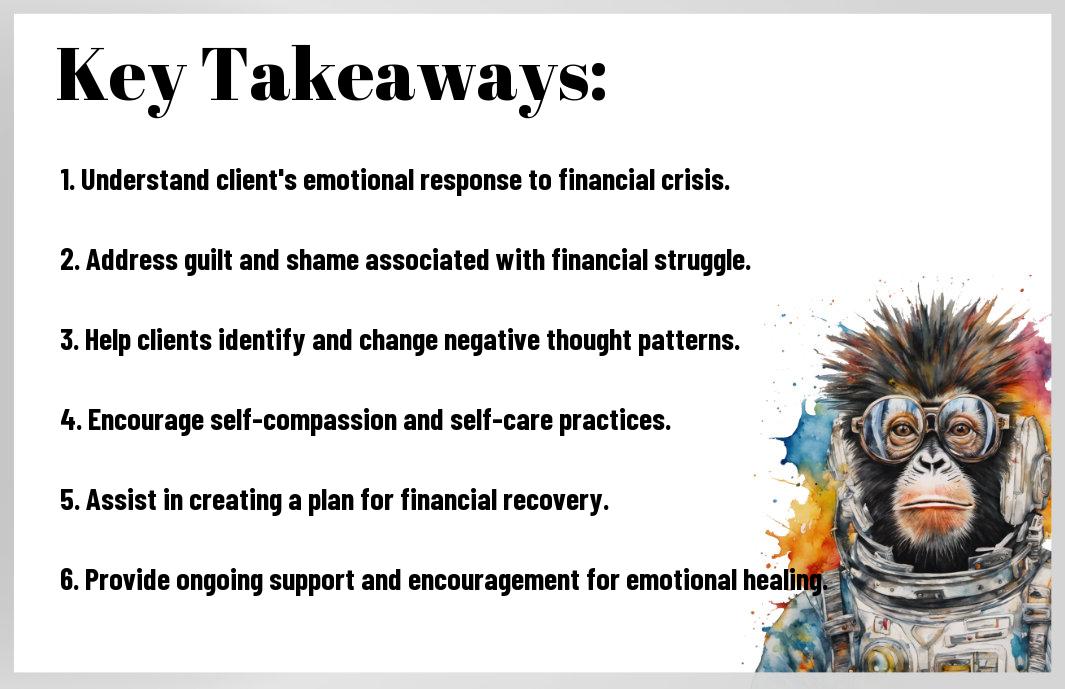
Key Takeaways:
- Understand the impact of financial crisis: Recognize the emotional toll a financial crisis can take on an individual's mental health and well-being.
- Provide empathetic support: Offer a safe and non-judgmental space for individuals to express their emotions and fears related to the financial crisis.
- Encourage open communication: Foster open dialogue about financial concerns and provide resources for individuals to seek help or professional support.
- Address feelings of shame and guilt: Help individuals work through their feelings of shame and guilt associated with financial difficulties, and promote self-compassion.
- Offer coping mechanisms: Teach individuals healthy coping mechanisms to manage stress, anxiety, and other emotional challenges they may face during a financial crisis.
- Advocate for financial literacy: Educate individuals on financial literacy and budgeting strategies to empower them in rebuilding their financial stability.
- Build a supportive community: Connect individuals with support groups or community resources to create a sense of belonging and reduce isolation during financial hardship.
Assessing the Impact of Financial Crisis on Mental Health
Assuming you have faced a financial crisis, it's important to understand the potential impact it may have on your mental health. The stress of financial instability can take a toll on your emotional well-being, leading to anxiety, depression, and other mental health challenges. It's crucial to assess the impact of financial crisis on your mental health in order to address any issues and work towards emotional healing.
Common Emotional Responses to Economic Hardships
When faced with economic hardships, you may experience a range of emotional responses. You might find yourself feeling overwhelmed, stressed, and anxious about the uncertainty of your financial situation. Additionally, you may experience a sense of shame, guilt, or even anger about the circumstances that led to the crisis. These emotional responses are normal and valid, but it's essential to recognize them and seek support in managing and processing these emotions.
Tools for Mental Health Evaluation in the Context of Financial Loss
When dealing with financial loss, it can be helpful to utilize tools for mental health evaluation to assess your emotional well-being. One effective tool is seeking professional help from a therapist or counselor who can provide a comprehensive mental health assessment and offer guidance on coping strategies. Additionally, self-assessment tools such as journaling, mindfulness practices, and self-reflection can also be valuable in evaluating your mental health in the context of financial crisis.

Strategies for Emotional Healing
Keep in mind that emotional healing after a financial crisis is a process that takes time and effort. It's important to be gentle with yourself and allow yourself to feel and process your emotions. Here are some strategies that can help you navigate through this challenging time.
The Power of Resilience and Adaptability
Resilience and adaptability are essential qualities that will help you bounce back from the impact of a financial crisis. Your ability to bounce back from setbacks, learn from your experiences, and adapt to new circumstances will be crucial in the healing process. Embracing change and viewing challenges as opportunities for growth can help you build resilience and adaptability. Remember that setbacks are not permanent and that you have the strength to overcome them.
Cognitive Behavioral Techniques for Financial Stress
Cognitive behavioral techniques can help you identify and change negative thought patterns that contribute to financial stress. By challenging negative beliefs and replacing them with more realistic and positive ones, you can reduce your emotional distress and improve your mental well-being. Practice reframing your thoughts to focus on solutions rather than problems, and develop a more balanced perspective on your financial situation. This can help you regain a sense of control and empower you to make positive changes.
Mindfulness and Self-compassion Practices
Practicing mindfulness and self-compassion can help you cultivate a greater sense of inner peace and self-acceptance during the healing process. By staying present in the moment and engaging in self-compassionate practices, you can reduce anxiety and self-criticism, and increase your capacity for emotional resilience. Take time for self-care and kindness towards yourself, and practice mindfulness meditation to ground yourself in the present moment. This will help you build a stronger foundation for emotional healing.
Building a Support System and Seeking Professional Help
Building a strong support system of friends, family, or a support group can provide you with the emotional support and understanding you need during this challenging time. Surrounding yourself with people who uplift and encourage you can help you feel less isolated and more resilient. Additionally, seeking professional help from a therapist or counselor can provide you with expert guidance and support as you navigate through the emotional aftermath of a financial crisis. Professional help can offer you tools and techniques to manage stress and anxiety, and provide you with a safe space to process your emotions.
Financial Rehabilitation and Emotional Recovery
Unlike physical wounds that heal with time and proper care, emotional wounds resulting from a financial crisis can linger and affect your overall well-being. However, it's important to remember that healing is possible, and it often starts with rebuilding your financial stability and taking steps to regain your emotional equilibrium.
Aligning Financial Planning with Emotional Milestones
As you work on repairing the damage caused by the financial crisis, it's crucial to align your financial planning with your emotional milestones. This means acknowledging the emotional impact the crisis had on you and taking steps to address it as you work towards financial rehabilitation. Recognize that your emotions can influence your financial decisions, and it's essential to factor this in as you create a plan for recovery. By aligning your financial goals with your emotional milestones, you can ensure that you are making progress on both fronts and creating a more stable foundation for your future.
Restoring Confidence Through Financial Education
One effective way to rebuild confidence and empower yourself after a financial crisis is through financial education. By gaining a deeper understanding of financial concepts, you can increase your confidence in managing your money and making informed decisions. Consider seeking out resources such as workshops, seminars, or online courses that can provide you with the knowledge and skills to take control of your financial situation. This will not only help you restore your confidence but also equip you with the tools to build a more secure financial future.
Navigating Future Financial Challenges
To maintain your emotional healing after a financial crisis, it's important to be prepared for potential future challenges. While the road ahead may seem daunting, there are strategies you can implement to navigate any financial hurdles that come your way. By taking proactive steps and focusing on your emotional well-being, you can stay resilient in the face of economic uncertainty.
Prevention and Preparedness: Lessons Learned
Reflect on the lessons you've learned from the previous financial crisis and use them to prevent future hardships. Establish an emergency fund that can cover at least 3-6 months of living expenses. Additionally, create a budget and stick to it, ensuring you are living within your means. By being financially prepared, you can mitigate the impact of any future financial challenges.
Maintaining Emotional Health in the Face of Economic Uncertainty
It's essential to prioritize your emotional well-being during times of economic uncertainty. Keep an open line of communication with your loved ones, and seek support from a financial advisor if needed. Proactively manage stress by engaging in self-care activities such as exercise, meditation, or spending time with loved ones. Remember that your mental and emotional health is just as important as your financial stability, and taking care of yourself will help you navigate any challenges that come your way.
Emotional Healing After Financial Crisis - A Guide for the Provider
Summing up, it is essential for you as a provider to understand the emotional impact of financial crisis on individuals and families. Your support and guidance can make a significant difference in helping them navigate through this challenging time. By being empathetic, non-judgmental, and providing practical strategies for coping with financial worries, you can help your clients or patients in their emotional healing process. Remember that mental health and financial well-being are closely interconnected, and offering support in both areas is crucial. For more tips on helping individuals cope with financial worries, you can refer to Coping with financial worries from NHS.
FAQ
Q: What is emotional healing after a financial crisis?
A: Emotional healing after a financial crisis refers to the process of addressing and overcoming the psychological impact of experiencing financial hardship. It involves coping with feelings of stress, anxiety, depression, and fear that may arise from financial instability.
Q: Why is emotional healing important after a financial crisis?
A: Emotional healing is important after a financial crisis because it allows individuals to regain a sense of control, reduce psychological distress, and improve their overall well-being. Ignoring the emotional impact of a financial crisis can lead to long-term negative effects on mental health and functioning.
Q: What are some common emotional challenges faced after a financial crisis?
A: Common emotional challenges include feelings of shame, guilt, worthlessness, fear of the future, and a loss of self-esteem. Additionally, individuals may experience heightened stress, anxiety, and depression as a result of financial strain.
Q: How can providers support emotional healing after a financial crisis?
A: Providers can support emotional healing by offering empathy, nonjudgmental support, and psychological guidance. They can help individuals identify and challenge negative thought patterns, develop healthy coping strategies, and access appropriate mental health resources.
Q: What are some effective strategies for emotional healing after a financial crisis?
A: Effective strategies include practicing self-care, building social support networks, setting realistic financial goals, seeking therapy or counseling, and engaging in activities that promote relaxation and stress reduction. It's important to address both the practical and emotional aspects of financial recovery.