
Experiencing a financial crisis can be overwhelming and have a significant impact on your emotional well-being. During these challenging times, it is crucial to understand how to navigate through the storm with emotional coping strategies that can help you endure the difficulties and emerge stronger. This blog post will provide you with valuable insights on how to manage the emotional toll of a financial crisis, offering practical tips and strategies that can help you maintain resilience and positivity throughout the journey. By implementing these strategies, you can better cope with the challenges and persevere during this turbulent period.
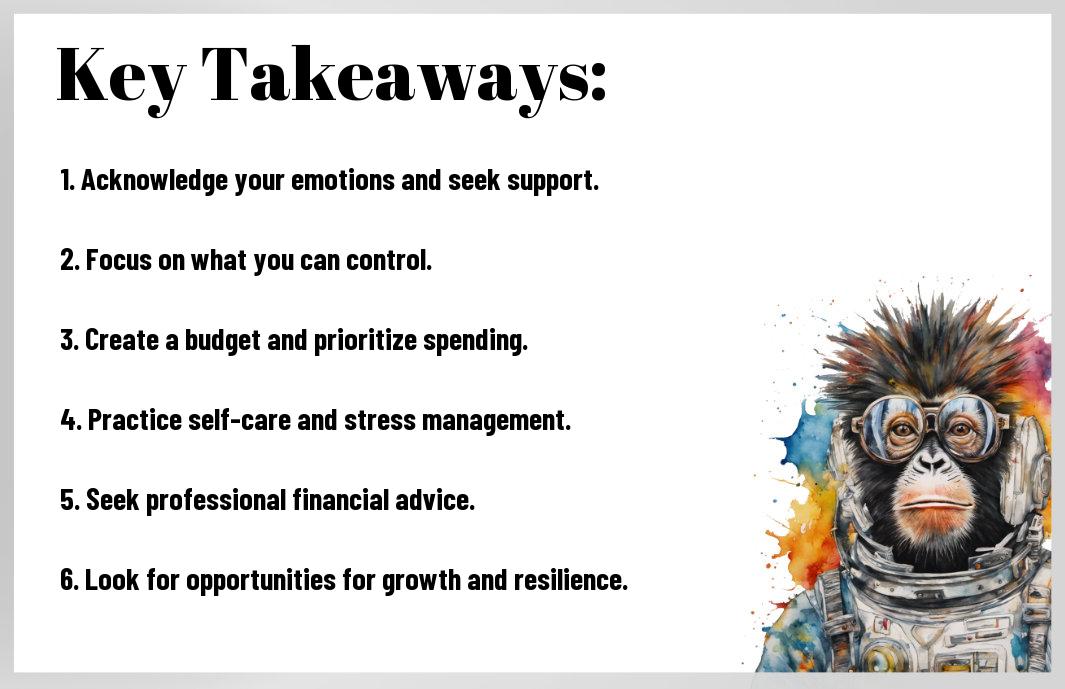
Key Takeaways:
- Recognize and Accept Emotions: It is crucial to acknowledge and accept the emotions that arise during a financial crisis, such as anxiety, fear, and frustration.
- Practice Self-Care: Engage in activities that promote well-being, such as exercise, meditation, and spending time with loved ones.
- Seek Support: Reach out to friends, family, or a mental health professional for emotional support and guidance during difficult times.
- Focus on What You Can Control: Shift your focus to the aspects of your finances and situation that you have control over, and take positive steps towards managing them.
- Develop a Financial Plan: Create a realistic and practical plan to address your financial challenges and work towards improving your situation.
- Stay Informed and Proactive: Keep yourself informed about your financial options and take proactive steps to mitigate the impact of the crisis on your finances.
- Practice Gratitude: Cultivate an attitude of gratitude by focusing on the positive aspects of your life and the things you are thankful for, even in the face of financial difficulties.
Recognizing Stressors and Triggers
If you are navigating a financial crisis, it is important to recognize the stressors and triggers that may be impacting your emotional well-being. Understanding the specific factors that are contributing to your stress can help you develop targeted coping strategies and take proactive steps to address them.
Identifying Financial Crisis Stress Triggers
One of the first steps in recognizing stressors and triggers is to identify the specific financial crisis-related factors that are causing you distress. This could include concerns about job loss, mounting debt, or uncertainty about the future. Pay attention to the situations or thoughts that seem to intensify your stress levels, and consider keeping a journal to track these triggers. By identifying these triggers, you can start to develop a plan for managing and alleviating their impact on your emotional state.
Assessing Personal Emotional Reactions
It is also important to assess your personal emotional reactions to the financial crisis. How are you feeling in response to the stressors and triggers you have identified? Are you experiencing anxiety, fear, anger, or helplessness? Understanding your emotional reactions can provide valuable insight into the ways in which the crisis is affecting you on a personal level. By acknowledging and understanding these emotions, you can begin to develop strategies for managing and coping with them effectively.

Developing Effective Coping Mechanisms
Now that you are navigating a financial crisis, it's important to develop effective coping mechanisms to help you manage the emotional stress that comes with it. This chapter will outline strategies to help you build emotional resilience in the face of financial challenges.Short-Term Emotional Coping Strategies
In the short term, it's crucial to focus on managing your immediate emotional response to the financial crisis. One effective coping strategy is to practice self-care and prioritize your emotional well-being. This may involve engaging in activities that bring you joy and relaxation, such as exercise, meditation, or spending time with loved ones. Additionally, establishing a support system can provide you with the emotional support you need during this challenging time. Surrounding yourself with people you trust and who can offer guidance and encouragement can help alleviate feelings of isolation and anxiety.Long-Term Emotional Resilience Techniques
As you work through the financial crisis, it's essential to develop long-term emotional resilience techniques that will help you withstand the challenges ahead. One effective technique is to cultivate a mindset of perseverance and adaptability. Embracing the mindset that you have the strength and resourcefulness to overcome adversity can empower you to navigate the storm with determination and resolve. Additionally, developing a sense of purpose and optimism about the future can bolster your emotional resilience. By setting realistic goals and focusing on the positive outcomes that can arise from the crisis, you can fortify your emotional well-being and maintain a strong sense of hope. In both the short and long term, it's important to recognize the emotional toll that a financial crisis can take and actively implement coping mechanisms. By prioritizing your emotional well-being and developing a resilient mindset, you can navigate the storm with determination and resolve. Remember that seeking support from loved ones and nurturing a positive outlook for the future are essential components of building emotional resilience in the face of financial challenges.Seeking Support and Resources
To navigate through the storm of a financial crisis, it is essential to seek support and resources to help you cope with the emotional impact. Remember, you do not have to go through this alone. There are various avenues you can explore to seek the assistance you need during this challenging time.
Utilizing Professional Support Systems
During a financial crisis, it can be immensely beneficial to seek professional support systems such as financial advisors, counselors, or therapists. These individuals are trained to provide you with the guidance and support you need to navigate through the challenges you are facing. They can help you develop a plan to manage your finances, cope with the stress, and set realistic goals for the future. Don't hesitate to reach out to these professionals to utilize their expertise and support.
Leveraging Community and Peer Networks
Another valuable resource for coping with a financial crisis is leveraging your community and peer networks. Surrounding yourself with supportive individuals who understand what you are going through can provide you with a sense of solidarity and comfort. You can seek out support groups, online forums, or local community organizations that offer assistance to individuals facing financial challenges. Connecting with others in similar situations can provide you with valuable insights, advice, and a sense of belonging during this difficult time.
Action Plan and Moving Forward
Now that you have implemented some emotional coping strategies to manage the stress of a financial crisis, it's time to focus on taking action and moving forward. It's crucial to have a clear plan of action to tackle the challenges you are facing and regain control over your financial situation. This chapter will guide you through creating a personalized coping strategy plan and preparing for future financial uncertainties.
Creating a Personalized Coping Strategy Plan
Not all coping strategies work for everyone. It's essential to create a personalized plan that suits your individual needs and circumstances. Reflect on the emotional coping strategies that have been effective for you in the past and integrate them into your plan. Consider seeking professional help if you find it challenging to cope on your own. Surround yourself with a support network of family, friends, or a financial counselor who can offer guidance and emotional support. Remember, your plan should be flexible and adaptable as you navigate through the financial storm.
Preparing for Future Financial Uncertainties
As you move forward, it's essential to prepare for future financial uncertainties. Take proactive measures to build a financial safety net. Start by creating a budget and cutting down on unnecessary expenses. Establish an emergency fund to cover unexpected costs and avoid accumulating more debt. Consider exploring additional sources of income or seeking professional advice on managing your finances effectively. By taking these steps, you can strengthen your financial resilience and mitigate the impact of future financial crises.
Conclusion
On the whole, navigating a financial crisis can be overwhelming and stressful, but with the right emotional coping strategies, you can effectively manage the storm. By acknowledging your emotions, seeking support, and practicing self-care, you can gain a sense of control and resilience during these challenging times. Remember to address your fears and anxieties head-on, and to be proactive in seeking solutions to your financial challenges. By implementing these emotional coping strategies, you can not only survive the storm, but also emerge stronger and wiser. It's important to remember that you are not alone, and that there are resources and support available to help you weather the financial crisis.
FAQ
Q: What are emotional coping strategies for financial crisis?
A: Emotional coping strategies for financial crisis include creating a budget, seeking support from friends and family, practicing self-care, and seeking professional help if needed. It is important to acknowledge your emotions and find healthy ways to manage stress.
Q: How can I create a budget during a financial crisis?
A: To create a budget during a financial crisis, start by listing all sources of income and expenses. Prioritize essential expenses such as food, shelter, and utilities. Cut back on non-essential spending and look for ways to increase income, such as freelancing or part-time work.
Q: What are some self-care practices during a financial crisis?
A: Self-care practices during a financial crisis include getting enough rest, eating well, exercising, and finding activities that bring you joy and relaxation. It's important to take time for yourself and engage in activities that help reduce stress and anxiety.
Q: How can I seek professional help during a financial crisis?
A: Seeking professional help during a financial crisis can include reaching out to a financial advisor, therapist, or counselor. These professionals can provide guidance on managing finances and coping with the emotional impact of a financial crisis.
Q: Where can I find support during a financial crisis?
A: You can find support during a financial crisis by joining support groups, talking to friends and family, and seeking assistance from community resources or nonprofit organizations that offer financial assistance and emotional support. It's important to have a support system in place during challenging times.