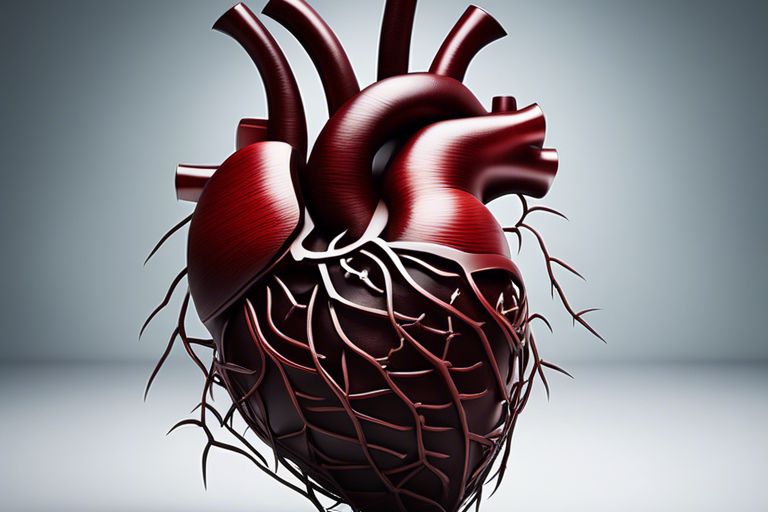
Experiencing **panic attacks** can be a frightening and overwhelming ordeal, but did you know that they may also have an impact on your heart health? If you suffer from panic attacks, it is important to understand the potential **risks** they can pose to your cardiovascular system. Studies have shown that **chronic** panic attacks may increase your risk of developing **heart disease**, which can have serious implications for your overall health. In this blog post, we will explore the connection between panic attacks and heart disease, as well as provide you with important information on how to **protect** your heart health if you are prone to panic attacks.
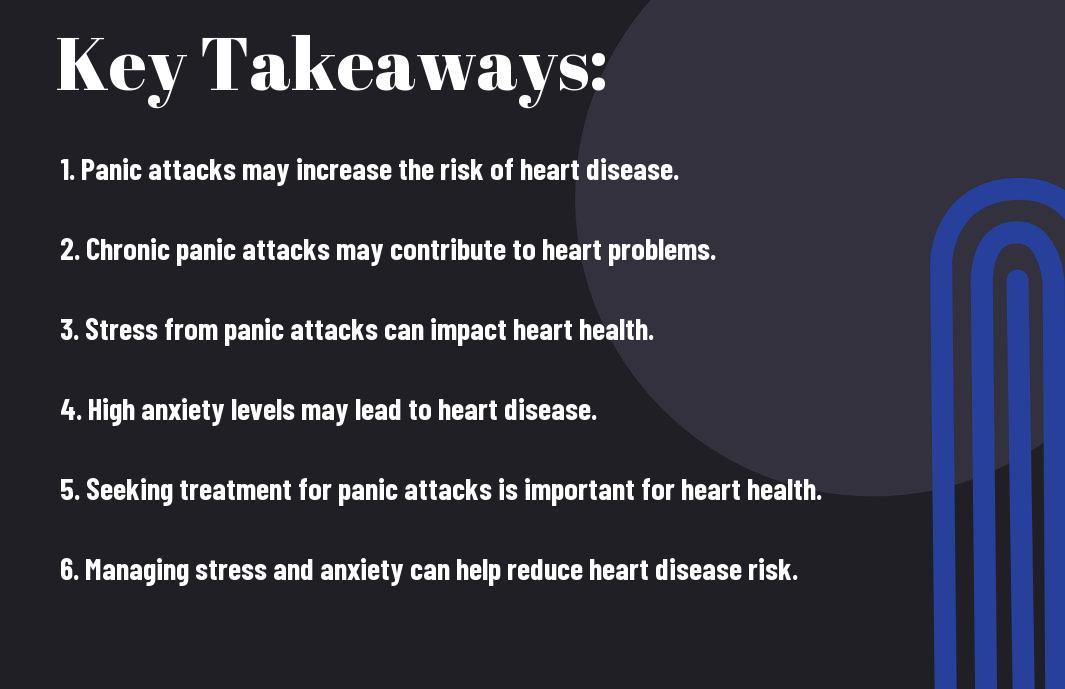
Key Takeaways:
- Panic attacks do not directly increase the risk of heart disease: While panic attacks can cause physical symptoms such as increased heart rate and chest pain, they do not directly lead to heart disease.
- However, chronic stress and anxiety associated with panic attacks can have an impact: Prolonged periods of stress and anxiety can contribute to the development of heart disease over time.
- Addressing the underlying stress and anxiety is important for heart health: Managing and treating the root causes of panic attacks, such as stress and anxiety, is crucial for maintaining heart health.
- Seeking treatment for panic attacks can improve overall cardiovascular health: Addressing panic attacks through therapy, medication, and lifestyle changes can have a positive impact on heart health.
- Individuals with panic disorder should monitor their cardiovascular health: Regular check-ups and monitoring of heart health is important for individuals with panic disorder who may be at higher risk for heart disease.
- Healthcare professionals should consider both mental and physical health in patients with panic attacks: Treating panic attacks should involve a holistic approach that takes into account both mental and cardiovascular health.
- More research is needed to fully understand the relationship between panic attacks and heart disease: While there is evidence of a connection, further studies are needed to fully understand the impact of panic attacks on heart health.

Understanding the Connection
If you have ever experienced a panic attack, you know just how terrifying they can be. Your heart races, you struggle to catch your breath, and you may feel a sense of impending doom. But could these intense episodes of fear and anxiety actually be putting your heart at risk?Physiological Effects of Panic Attacks
When you experience a panic attack, your body goes into 'fight or flight' mode, releasing a surge of stress hormones like adrenaline and cortisol. This can lead to a rapid increase in heart rate and blood pressure, as well as constriction of blood vessels. Over time, these physiological effects can put a strain on your cardiovascular system, increasing the risk of heart disease.Epidemiological Studies on Panic Attacks and Heart Disease
Research has shown that there is a clear association between panic attacks and an increased risk of heart disease. In fact, a study published in the European Heart Journal found that individuals who experienced panic attacks were more likely to develop heart disease later in life. The study also found that the risk was particularly pronounced in those who experienced frequent or severe panic attacks. This is a concerning finding, as it suggests that panic attacks may have a significant impact on your cardiovascular health. In conclusion, it is important to recognize the potential impact that panic attacks can have on your heart health. The physiological effects of panic attacks can put a strain on your cardiovascular system, while epidemiological studies have shown a clear association between panic attacks and an increased risk of heart disease. It's crucial to take steps to manage and reduce your anxiety to protect your heart health. If you experience frequent or severe panic attacks, it's important to seek support from a healthcare professional to address both your anxiety and your cardiovascular health. Remember, taking care of your mental health is just as important as taking care of your physical health.Risk Factors and Predictive Value
Now, let's take a closer look at the risk factors associated with panic attacks and their predictive value in relation to heart disease. Understanding the factors that contribute to the development of heart disease is essential in evaluating the potential impact of panic attacks on your heart health.
- Family history of heart disease
- High blood pressure
- High cholesterol levels
- Diabetes
- Smoking history
Shared Risk Factors
It is important to note that panic attacks share several risk factors with heart disease. For example, both conditions have been linked to family history of heart disease, high blood pressure, and smoking. Any overlap in risk factors between the two conditions can further elevate your risk of developing heart disease if you experience panic attacks regularly.
The Predictive Role of Panic Attacks in Heart Disease Development
Research has suggested that the presence of panic attacks may have a predictive role in the development of heart disease. Some studies have found that individuals who experience frequent panic attacks may have an increased risk of developing heart disease later in life. However, the exact mechanisms underlying this association are still not fully understood, and further research is needed to clarify the relationship between panic attacks and heart disease.
Management and Prevention Strategies
Lastly, it is vital to address the management and prevention strategies for both panic attacks and heart disease. There are various approaches and measures you can take to reduce your risk and effectively manage any symptoms you may experience. One study found that there is an association between panic disorder and coronary heart disease, further highlighting the importance of implementing preventative and management strategies.
Treatment Options for Panic Attacks
For the treatment of panic attacks, it is essential to seek professional help. Therapy, such as cognitive-behavioral therapy, can be effective in helping you understand and manage your panic attacks. Medications, such as selective serotonin reuptake inhibitors (SSRIs) or benzodiazepine, may also be prescribed by your healthcare provider to help manage the symptoms. Additionally, lifestyle changes, such as regular exercise and stress-reducing activities, can also contribute to the management of panic attacks.
Lifestyle Changes and Preventative Measures for Heart Disease
When it comes to preventing heart disease, adopting a heart-healthy lifestyle is crucial. This includes making smart dietary choices, such as consuming a diet low in saturated fat and cholesterol, and high in fruits, vegetables, and whole grains. It also involves engaging in regular physical activity, maintaining a healthy weight, and avoiding smoking and excessive alcohol consumption. By prioritizing these lifestyle changes, you can significantly reduce your risk of developing heart disease or experiencing related complications.

Conclusively, Do panic attacks increase the risk of heart disease?
It is important to remember that while panic attacks can cause intense physical symptoms, they do not increase the risk of heart disease on their own. However, if you have frequent panic attacks, it's crucial to address the underlying anxiety and stress that may contribute to heart disease risk factors such as high blood pressure and unhealthy coping mechanisms like smoking or overeating. Taking steps to manage your anxiety, such as exercise, therapy, and relaxation techniques, can help calm your anxious heart and reduce the risk of heart disease. For more information on managing anxiety and heart health, visit Calm your anxious heart.
FAQ
Q: Can panic attacks increase the risk of heart disease?
A: Yes, frequent panic attacks can increase the risk of heart disease.
Q: How do panic attacks affect the heart?
A: Panic attacks can increase heart rate, blood pressure, and lead to the release of stress hormones, which can put additional strain on the heart.
Q: Are there long-term effects of panic attacks on the heart?
A: Yes, experiencing frequent panic attacks over time can contribute to the development of heart disease and other cardiovascular conditions.
Q: What are the symptoms of a panic attack?
A: Symptoms of a panic attack can include rapid heartbeat, chest pain or discomfort, shortness of breath, dizziness, and sweating.
Q: How can panic attacks be managed to reduce the risk of heart disease?
A: Seeking treatment for anxiety disorders, practicing stress management techniques, and leading a healthy lifestyle can help reduce the risk of heart disease associated with panic attacks.
Q: Are there any specific heart-related conditions linked to panic attacks?
A: Yes, panic attacks have been associated with an increased risk of developing conditions such as coronary artery disease, arrhythmias, and even heart attacks.
Q: Can seeking mental health treatment help reduce the risk of heart disease related to panic attacks?
A: Yes, addressing and managing anxiety and panic attacks through therapy, medication, or other mental health support can help lower the risk of heart disease and improve overall cardiovascular health.