
Experiencing panic attacks can be an overwhelming and terrifying experience. While they are often associated with anxiety and stress, they can also be a sign of a more serious medical condition. In some cases, panic attacks may be a symptom of a heart condition, thyroid problem, or even a neurological disorder. It's important to pay attention to the frequency and severity of your panic attacks, as well as any other symptoms you may be experiencing. Ignoring the possibility of a more serious underlying medical issue could have dangerous consequences. In this blog post, we'll explore the potential dangers of dismissing panic attacks as just a symptom of anxiety, and discuss the importance of seeking medical evaluation to rule out any underlying health issues.
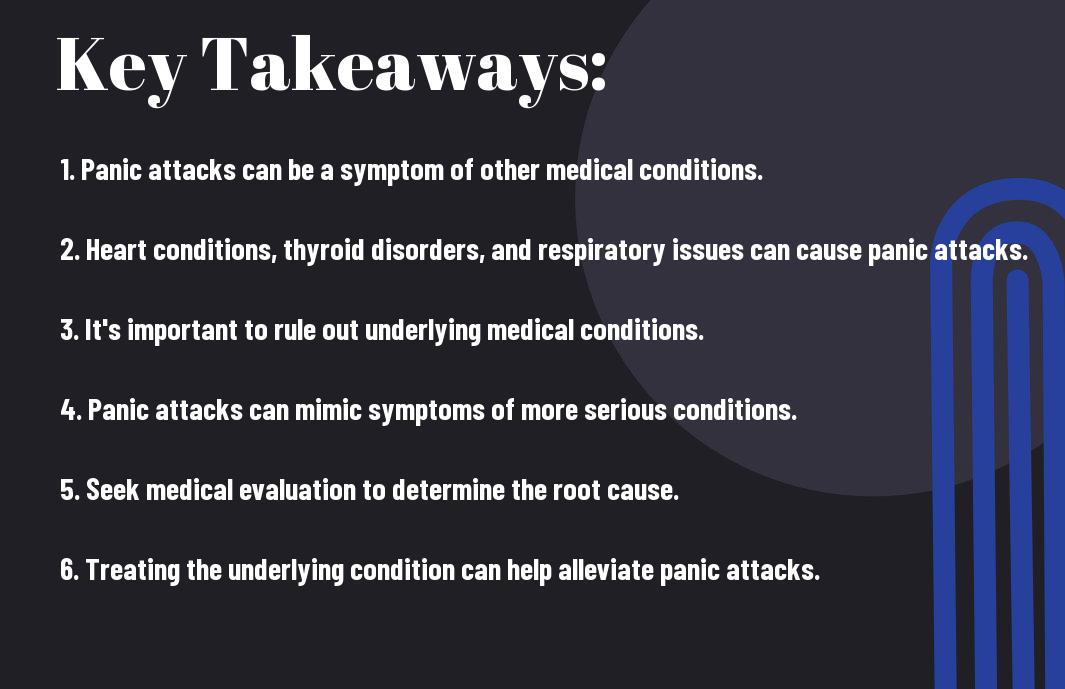
Key Takeaways:
- Panic attacks can be a symptom of a more serious medical condition - While panic attacks are often related to anxiety disorders, they can also be a symptom of other underlying medical issues.
- Medical conditions that may cause panic attacks - These can include heart problems, thyroid disorders, respiratory conditions, and certain neurological conditions.
- It is important to rule out other medical causes - If you experience panic attacks, it is essential to consult a healthcare professional to rule out any underlying medical conditions that may be causing them.
- Proper diagnosis is crucial - Identifying an underlying medical condition that is causing panic attacks is crucial for appropriate treatment and management of the symptoms.
- Treatment for panic attacks may differ - Depending on the underlying cause, treatment for panic attacks may differ, and it is important to address the root cause to effectively manage the symptoms.
- Seeking medical evaluation is important - If you experience panic attacks, it is important to seek a medical evaluation to determine the cause and receive proper treatment.
- Overall health impact - Identifying and managing the underlying medical condition causing panic attacks can have a positive impact on overall health and well-being.
Understanding Panic Attacks
Obviously, panic attacks can be a terrifying experience. You may feel like you're losing control, experiencing intense fear, and physical symptoms such as a racing heart, shortness of breath, and dizziness. It's important to understand what exactly a panic attack is and what causes it.
Definition and Symptoms
A panic attack is a sudden episode of intense fear that triggers severe physical reactions when there is no real danger or apparent cause. Some of the common symptoms include palpitations, sweating, trembling, shortness of breath, feeling of choking, chest pain, nausea, dizziness, chills or heat sensations, numbness or tingling, and a fear of losing control or dying. These symptoms can be very alarming and can make you feel like you are having a heart attack or going crazy.
Common Triggers and Psychological Factors
There are a variety of triggers that can set off a panic attack, such as stress, major life transitions, traumatic events, and certain medical conditions. Common psychological factors that can contribute to panic attacks include a history of childhood trauma, major life stress, certain personality traits, and a family history of panic attacks.
- It's important to recognize that panic attacks can be triggered by specific situations or phobias, such as flying, driving, or being in enclosed spaces
- Other common triggers include excessive worry, catastrophic thinking, and excessive fear of physical symptoms, such as fear of having a heart attack or losing control.
Association With Medical Conditions
Your panic attacks may be a symptom of a more serious medical condition. It is important to be aware of the potential association between panic attacks and underlying medical issues. Identifying and addressing any potential medical causes of your panic attacks is crucial for effective treatment and management of your symptoms.
Panic Attacks and Cardiovascular Issues
If you experience panic attacks, it is essential to consider the possibility of an underlying cardiovascular issue. Panic attacks can sometimes mimic symptoms of a heart attack, leading to a misdiagnosis or delayed treatment. Furthermore, individuals with existing heart conditions may be more prone to experiencing panic attacks due to the fear and anxiety surrounding their health. It is crucial to seek immediate medical attention if you experience chest pain, shortness of breath, or palpitations during a panic attack, as these could be indicative of a serious cardiovascular issue.
Respiratory Conditions and Panic Symptoms
Respiratory conditions such as asthma and chronic obstructive pulmonary disease (COPD) can lead to panic-like symptoms, including shortness of breath and chest tightness. In some cases, the physical sensations associated with these respiratory conditions can trigger panic attacks in individuals who are predisposed to anxiety. If you have a history of respiratory issues, it is important to monitor your symptoms closely and seek medical evaluation to determine whether your panic attacks are related to an underlying respiratory condition.
Neurological Disorders Mimicking Panic Attacks
Certain neurological disorders, such as epilepsy or migraines, can manifest with symptoms that closely resemble those of panic attacks. Seizures, for example, can cause sudden feelings of fear and anxiety, along with physical symptoms such as rapid heart rate and sweating. Likewise, migraines accompanied by aura can produce sensory disturbances and intense fear, mimicking the sensations experienced during a panic attack. It is important to consider the possibility of an underlying neurological disorder if you experience recurring panic attacks, especially if they are accompanied by other unusual symptoms such as altered consciousness or sensory disturbances.
Differentiating Between Panic Attacks and Medical Emergencies
To differentiate between panic attacks and a more serious medical emergency, it's important to understand the symptoms of both. Panic attacks are sudden, intense periods of fear or discomfort that may include heart palpitations, sweating, shaking, shortness of breath, and a feeling of impending doom. They usually peak within 10 minutes and are not life-threatening. For more information on panic disorder and panic attacks, you can visit Panic Disorder and Panic Attacks.
When to Seek Immediate Medical Attention
If you experience chest pain, severe shortness of breath, dizziness or fainting, or sudden numbness or weakness in your limbs, seek immediate medical attention. These symptoms could indicate a heart attack, stroke, or other serious medical condition. If you are unsure whether your symptoms are related to a panic attack or a medical emergency, it's always better to err on the side of caution and seek medical help.
Diagnostic Approaches to Differentiate Conditions
To differentiate between panic attacks and medical emergencies, your healthcare provider may perform a physical exam, blood tests, and other diagnostic tests such as an electrocardiogram (ECG) or imaging studies. These tests can help rule out underlying medical conditions such as heart disease, thyroid problems, or substance abuse. A psychological evaluation may also be conducted to assess for anxiety and panic disorders.
Treatment and Management
After receiving a diagnosis of panic attacks, it is important to work with a healthcare professional to develop a treatment plan that addresses your symptoms and helps you manage the condition effectively. Treatment for panic attacks often involves a combination of psychological interventions, addressing underlying medical conditions, and sometimes medication.
Psychological Interventions for Panic Attacks
Psychological interventions, such as cognitive-behavioral therapy (CBT), can be highly effective in treating panic attacks. CBT helps you identify and change negative thought patterns and behaviors that contribute to your panic attacks. Through CBT, you can learn coping skills and relaxation techniques to manage and reduce your symptoms. It is important to work with a qualified therapist who specializes in treating panic disorder to ensure the best outcomes.
Addressing the Underlying Medical Conditions
It is crucial to address any underlying medical conditions that may be contributing to your panic attacks. Your healthcare provider will conduct a thorough evaluation to rule out any potential medical causes, such as thyroid disorders, cardiovascular issues, or respiratory conditions. By addressing any underlying medical conditions, you can reduce the risk of potentially dangerous complications and improve your overall well-being. Additionally, treating any co-occurring medical conditions can help alleviate or reduce the frequency and severity of your panic attacks.
Can panic attacks be a symptom of a more serious medical condition?
Presently, it is important to recognize that panic attacks can be a symptom of a more serious medical condition. It is critical to seek guidance from a healthcare professional if you experience panic attacks, as they can be a sign of underlying health issues such as heart problems, thyroid disorders, or even certain types of epilepsy. It is important to take your symptoms seriously and seek proper medical evaluation to rule out any potential serious medical conditions that may be causing your panic attacks. Remember, seeking help and early intervention can make a significant difference in managing and treating any underlying conditions.
Frequently Asked Questions (FAQ)
Q: Can panic attacks be a symptom of a more serious medical condition?
A: Yes, panic attacks can be a symptom of a more serious medical condition such as panic disorder, anxiety disorders, PTSD, heart conditions, and thyroid problems. It is important to consult a healthcare professional for proper diagnosis and treatment.
Q: What is a panic attack?
A: A panic attack is a sudden episode of intense fear that triggers a physical and emotional response. Symptoms may include rapid heart rate, chest pain, shortness of breath, dizziness, and feelings of impending doom.
Q: How can I differentiate between a panic attack and a heart attack?
A: While panic attack symptoms may mimic those of a heart attack, it is important to seek medical attention to rule out any serious medical condition. A healthcare professional can perform tests to differentiate between the two.
Q: Are panic attacks treatable?
A: Yes, panic attacks are treatable. Treatment options may include therapy, medication, relaxation techniques, and lifestyle changes. It is important to seek help from a mental health professional.
Q: Can panic attacks be triggered by a specific event or situation?
A: Yes, panic attacks can be triggered by specific events or situations, but they can also occur unexpectedly. Identifying triggers and learning coping mechanisms can help manage panic attacks.
Q: What are the long-term effects of untreated panic attacks?
A: Untreated panic attacks can lead to an increased risk of developing other mental health conditions such as depression and substance abuse. It is important to seek help to prevent long-term effects.
Q: When should I seek medical help for my panic attacks?
A: It is important to seek medical help if you experience recurring panic attacks, if they are affecting your daily life, or if you have concerns about their underlying causes. A healthcare professional can provide support and guidance for managing panic attacks.