
Are you feeling overwhelmed by the psychological burden of debt? It's no secret that being in debt can take a toll on your emotional well-being. The constant worry, anxiety, and stress can have a negative impact on your mental health and overall quality of life. However, it's important to remember that you are not alone in this struggle. There are steps you can take to find relief and regain control over your financial and emotional well-being. In this blog post, we'll explore the psychological impact of debt and provide you with actionable tips on how to find relief and reclaim your mental peace.
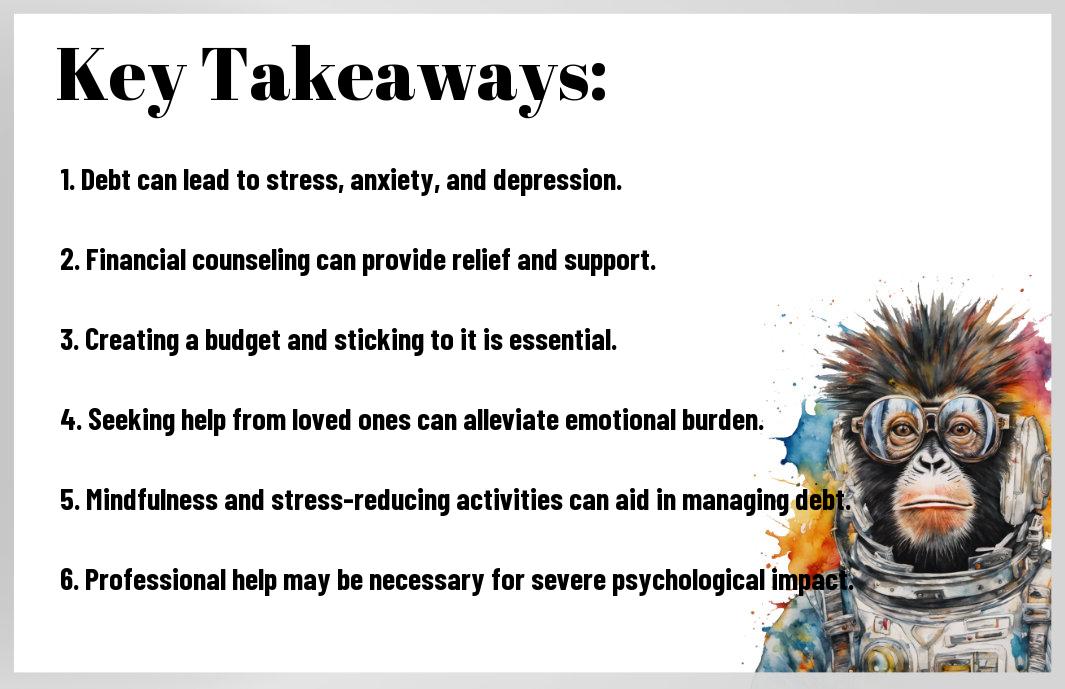
Key Takeaways:
- Debt can have a significant impact on our mental health and well-being, leading to stress, anxiety, and depression.
- Recognizing the psychological effects of debt is the first step in finding relief and taking control of your financial situation.
- Seeking support from a financial counselor or therapist can provide valuable guidance and tools for managing the emotional impact of debt.
- Developing a realistic repayment plan and sticking to a budget can help alleviate the stress and anxiety associated with debt.
- Practicing self-care and mindfulness can help reduce the burden of debt-related stress and improve overall well-being.
- Exploring debt relief options, such as debt consolidation or negotiation, can provide tangible solutions for reducing and managing debt-related stress.
- Understanding that you are not alone and reaching out for support from friends, family, or support groups can provide valuable emotional support during difficult financial times.
The Emotional Toll of Debt
Clearly, debt can take a significant emotional toll on you. The stress and anxiety associated with owing money can have a profound impact on your mental well-being. It's important to recognize the emotional effects of debt and to address them in order to find relief.
Anxiety and Depression Linked to High Debt Levels
High levels of debt have been linked to increased rates of anxiety and depression. The constant worry and stress about repaying what you owe can take a heavy toll on your mental health. The fear of not being able to meet your financial obligations and the feeling of being trapped in a cycle of debt can lead to extreme emotional distress. It's important to acknowledge these feelings and seek out support to help you cope with the psychological impact of debt.
The Shame and Isolation Associated with Financial Struggles
Feeling ashamed and isolated is a common experience for many people struggling with debt. You may feel embarrassed about your financial situation and may be reluctant to seek help or talk to others about your struggles. This sense of isolation can exacerbate the emotional toll of debt and make it harder to find relief. It's important to remember that you are not alone in this experience and that there are resources and support available to help you navigate your financial challenges.
Strategies for Managing Debt-Related Stress
Unlike physical stressors, debt-related stress can often feel overwhelming and insurmountable. The constant worry and anxiety about how to manage your finances can take a toll on your mental well-being. However, there are strategies you can employ to help alleviate the psychological burden of debt and find relief.
Debt Reduction Techniques
If you are feeling weighed down by the burden of debt, one of the most effective ways to manage the stress is to actively work on reducing your debt. This may involve creating a budget, prioritizing your debts, and exploring debt consolidation options. By taking proactive steps to address your debt, you can regain a sense of control over your financial situation and alleviate some of the stress it brings.
Psychological Coping Mechanisms
It's important to remember that managing debt-related stress is not just about the numbers. It also requires addressing the psychological impact of debt on your mental well-being. Engaging in activities that help you relax and unwind, such as exercise, meditation, or spending time with loved ones, can provide much-needed relief from the constant worry and anxiety. Additionally, seeking support from a therapist or counselor can help you develop healthy coping mechanisms to manage the psychological impact of debt on your life.

Seeking Professional Help
Your journey to finding relief from debt may require the expertise of professionals who specialize in financial and mental health matters. Seeking professional help can provide you with the necessary guidance and support to navigate the challenges you are facing.
The Role of Financial Advisers
When it comes to managing debt, financial advisers play a crucial role in providing you with practical strategies to address your financial obligations. They can offer personalized budgeting and financial planning tailored to your specific situation, helping you create a roadmap towards financial stability. Their expertise can also be invaluable in negotiating with creditors and understanding the intricacies of debt repayment options. If you feel overwhelmed by the complexities of your financial situation, consulting a financial adviser can provide you with clarity and a sense of direction.
When to Consult a Mental Health Professional
Dealing with debt can take a toll on your mental well-being, and it's important to recognize when it's time to seek the expertise of a mental health professional. If you find yourself experiencing anxiety, depression, or overwhelming stress due to your financial situation, it may be beneficial to consult a mental health professional. They can offer emotional support, help you develop coping strategies, and provide guidance on how to manage the psychological impact of debt. By addressing the emotional toll of debt, you can work towards regaining your mental well-being as you navigate your journey towards financial relief.
Preventing Debt-Related Psychological Issues
Not everyone is affected by debt in the same way. Some people can handle a significant amount of debt without experiencing negative psychological effects, while others may struggle with even a small amount of debt. However, there are steps you can take to prevent debt-related psychological issues from arising in the first place. By being proactive and mindful of your financial behaviors, you can avoid the emotional toll that debt can take on your well-being.
Educational Programs and Resources
One effective way to prevent debt-related psychological issues is to educate yourself about personal finance and debt management through educational programs and resources. Many community organizations, financial institutions, and nonprofits offer free or low-cost classes, workshops, and online resources that can help you improve your financial literacy and decision-making skills. By arming yourself with knowledge and understanding of financial concepts, you can make informed decisions that may prevent you from falling into debt in the first place.
Building Healthy Financial Habits
Developing healthy financial habits is crucial for preventing debt-related psychological issues. This includes creating a budget and sticking to it, living within your means, and saving for the future. Building an emergency fund can also provide you with a sense of security and peace of mind, knowing that you have a financial safety net in case of unexpected expenses. By establishing and maintaining these healthy financial habits, you can reduce the likelihood of falling into debt and the associated psychological stress that comes with it.
FAQ
Q: What is the psychological impact of debt?
A: The psychological impact of debt can be severe, leading to stress, anxiety, and depression. Debt can also cause feelings of helplessness and low self-worth.
Q: How does debt affect mental health?
A: Debt can lead to increased levels of stress, which can in turn cause mental health issues such as anxiety and depression. Constant worrying about debt can also impact sleep patterns and overall well-being.
Q: What are some ways to find relief from the psychological impact of debt?
A: Finding relief from the psychological impact of debt can be achieved through a combination of financial management, seeking professional help or counseling, and practicing stress-reducing techniques such as mindfulness and meditation.
Q: How can financial management help alleviate the psychological impact of debt?
A: Developing a realistic budget, negotiating reduced payments with creditors, and seeking financial guidance can help individuals feel more in control of their debt, leading to decreased levels of stress and anxiety.
Q: When is it necessary to seek professional help for the psychological impact of debt?
A: It is important to seek professional help when the psychological impact of debt becomes overwhelming, resulting in severe anxiety, depression, or thoughts of self-harm. A mental health professional can provide the necessary support and guidance to navigate through these difficult emotions.