Have you ever experienced sudden and overwhelming feelings of fear and anxiety? It is possible that your panic attacks may be related to the medications you are taking. Certain medications can have dangerous side effects that include panic attacks, causing distress and impairment in your daily life. It is important to be aware of the potential negative effects of the medications you are prescribed. To learn more about the specific medications that can lead to panic attacks, visit 4 Drugs That Can Cause Anxiety. It is crucial to be informed about the dangers of these medications and consult with your healthcare provider if you experience any concerning symptoms.
Key Takeaways:
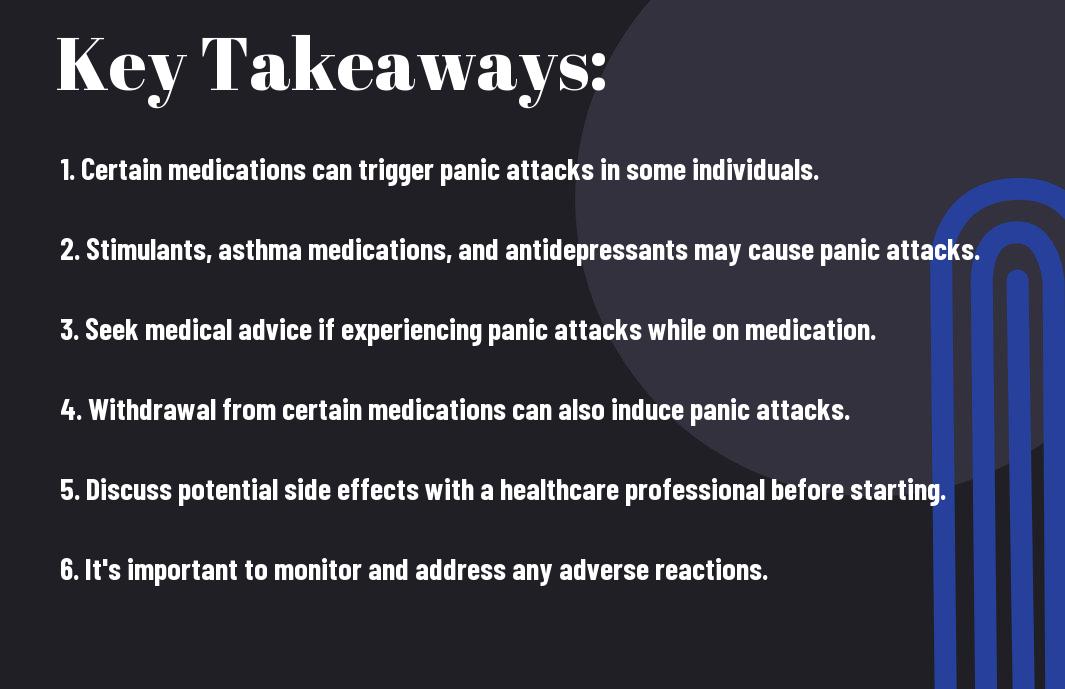
- Some medications can potentially trigger panic attacks. Certain drugs, such as certain asthma medications, antimalarial drugs, and stimulants, have been linked to causing panic attacks in some individuals.
- It is important to be aware of potential side effects. Before starting a new medication, it is crucial to discuss with a healthcare professional about the potential side effects, including the risk of panic attacks.
- Individual reactions to medications vary. Not everyone who takes a medication that can potentially trigger panic attacks will experience this side effect. Factors such as genetics, overall health, and dosage can impact an individual's susceptibility.
- Always follow dosage and usage instructions. Following the prescribed dosage and usage instructions for medications can help reduce the risk of experiencing adverse effects, including panic attacks.
- Speak to a healthcare professional about any concerns. If you are experiencing panic attacks while taking medication, it is important to consult with a healthcare professional. They can assess your symptoms and determine if adjusting the medication is necessary.
- Managing anxiety and panic attacks is crucial. For individuals prone to panic attacks, it is essential to have strategies in place to manage anxiety, regardless of whether it is linked to medication use or not.
- Be proactive in monitoring your mental health. It is important to be vigilant about changes in mental health while taking medication. If you notice any concerning symptoms, it is crucial to seek help promptly.
Medications That May Trigger Panic Attacks
Obviously, not all medications have the potential to trigger panic attacks, but there are certain types of medications that have been known to increase the risk of experiencing them. It is important to be aware of the potential side effects of the medications you are taking, and to speak with your healthcare provider if you have any concerns about the possibility of experiencing panic attacks as a result of your medication regimen.
Antidepressants and Anxiolytics
Antidepressants and anxiolytics are often prescribed to help manage symptoms of depression, anxiety, and other mood disorders. While these medications can be incredibly beneficial for many individuals, it's important to note that they can also have the potential to trigger panic attacks in some people. This is particularly true when someone first starts taking these medications, or when they make changes to their dosage. Some individuals may also experience an increase in anxiety or panic attacks when they stop taking these medications. If you are prescribed an antidepressant or anxiolytic, it's important to closely monitor your symptoms and to communicate with your healthcare provider about any changes you may be experiencing.
Steroids and Over-the-Counter Medications
In addition to certain prescription medications, it's also important to be aware that steroids and certain over-the-counter medications have the potential to trigger panic attacks. Steroids, which are often prescribed to help manage inflammation and various autoimmune conditions, have been linked to increased anxiety and panic attacks in some individuals. Similarly, over-the-counter medications such as decongestants, weight loss supplements, and certain stimulants can also have the potential to trigger panic attacks, particularly in individuals who may be prone to anxiety or panic disorders. It's important to carefully read the labels of any medications you are taking, and to speak with your healthcare provider about any concerns you may have about the potential for these medications to trigger panic attacks.
Remember, it's essential to always consult with your healthcare provider before making any changes to your medication regimen. If you suspect that your medication may be triggering panic attacks, it's important to seek professional guidance to ensure your safety and well-being.
Mechanisms of Medication-Induced Panic Attacks
Lastly, it is important to understand the mechanisms by which certain medications can induce panic attacks in some individuals. These medications can affect neurochemical pathways, as well as interact with pre-existing conditions, leading to the onset of panic attacks. To understand this better, it is essential to delve into the neurochemical pathways and the interaction with pre-existing conditions that may predispose you to experiencing panic attacks as a side effect of certain medications.
Neurochemical Pathways
Medications can disrupt the delicate balance of neurotransmitters in your brain, such as serotonin and norepinephrine, which are implicated in regulating mood and anxiety. This imbalance can lead to a cascade of effects that may result in the manifestation of panic attacks. Specifically, certain medications may increase the levels of these neurotransmitters to an extent that triggers a hyperarousal response in your brain, leading to the onset of panic attacks.
Interaction With Pre-existing Conditions
If you have a pre-existing anxiety disorder or are predisposed to anxiety, certain medications may interact with your condition in a way that exacerbates your symptoms and potentially leads to panic attacks. For example, if you have a history of panic disorder, taking medications that have stimulating effects on the central nervous system may heighten your vulnerability to experiencing panic attacks as a side effect. It is important to be aware of this potential interaction and to discuss this with your healthcare provider before starting or altering any medication regimen.
Remember, if you're experiencing panic attacks, it's crucial to seek professional help. To learn more about panic disorder, you can visit Panic Disorder: When Fear Overwhelms - NIMH.Managing and Treating Drug-Induced Panic Attacks
Now that you have identified that your panic attacks are a side effect of a certain medication, it's important to know how to manage and treat them effectively. Here are some steps you can take to address drug-induced panic attacks.
Consultation With Healthcare Providers
It is crucial that you consult with your healthcare provider immediately if you suspect that your panic attacks are being caused by a medication you are taking. Your healthcare provider can perform a thorough evaluation and help determine the best course of action to address the issue. They may recommend adjusting the dosage of the current medication, switching to a different medication, or exploring alternative treatment options.
Alternative Medications and Therapies
If it is determined that your panic attacks are indeed a side effect of a specific medication, your healthcare provider may consider alternative medications or therapies to address your underlying condition without triggering panic attacks. Certain medications may be less likely to cause panic attacks, and therapies such as cognitive-behavioral therapy (CBT) or relaxation techniques can also be beneficial in managing anxiety and panic symptoms.
Prevention and Awareness
Despite the potential for medications to cause panic attacks as a side effect, there are steps you can take to prevent or minimize this risk. Being aware of the possibility of panic attacks as a side effect of certain medications is the first step. It's important to educate yourself about the potential side effects of any medication you are prescribed, and to be proactive in discussing any concerns with your healthcare provider. By being informed and vigilant, you can take steps to minimize the risk of experiencing panic attacks while taking medication.
Risk Factors and Patient Education
When it comes to the risk of panic attacks as a side effect of medication, there are certain risk factors to be aware of. These can include a personal or family history of anxiety or panic disorders, as well as the use of certain types of medications. It's important for you to educate yourself about the potential side effects of any medication you are taking, including the possibility of panic attacks. Your healthcare provider can provide you with information about known side effects and what to watch for.
- Personal or family history of anxiety or panic disorders
- Use of certain types of medications
After educating yourself about these risk factors, it's important to communicate any concerns or symptoms you experience to your healthcare provider. Being proactive in addressing your concerns can help prevent or manage the occurrence of panic attacks as a side effect of medication.
Monitoring and Reporting Side Effects
Regularly monitoring your symptoms while taking medication is crucial in identifying any potential side effects, including panic attacks. If you experience any concerning symptoms, such as sudden feelings of intense fear or anxiety, it's important to report them to your healthcare provider immediately. By keeping track of your symptoms and being vigilant in reporting any changes, you can work with your healthcare provider to address and manage any medication-related side effects, including panic attacks.

Can panic attacks be a side effect of certain medications?
Presently, it is important for you to be aware of potential side effects of certain medications, including the possibility of experiencing panic attacks. While panic attacks as a side effect of medication are not common, they can occur with certain drugs such as stimulants, asthma medications, and even some antidepressants. If you are experiencing unexpected panic attacks while taking medication, it is crucial to consult with your healthcare provider. They can help determine if the medication is the cause and work with you to find a suitable alternative or adjust your treatment plan. It is essential to prioritize your well-being and address any concerns regarding your medication and its potential side effects.
FAQ
Q: Can panic attacks be a side effect of certain medications?
A: Yes, panic attacks can be a potential side effect of certain medications, especially those that affect the central nervous system or have stimulating effects.
Q: Which medications are known to potentially cause panic attacks?
A: Medications such as stimulants, steroids, certain antidepressants, and even some over-the-counter cold and allergy medications have been associated with causing panic attacks in some individuals.
Q: How common are panic attacks as a side effect of medications?
A: While not extremely common, panic attacks as a side effect of medications do occur. The frequency can vary depending on the specific medication and individual susceptibility.
Q: What should I do if I experience panic attacks as a side effect of a medication?
A: If you experience panic attacks as a side effect of a medication, it is important to consult with your healthcare provider immediately. They can assess the situation and determine the appropriate course of action, which may include adjusting the dosage, switching to a different medication, or adding additional treatment options.
Q: Can panic attacks caused by medications be managed or treated?
A: Yes, panic attacks caused by medications can be managed and treated. Your healthcare provider can provide guidance on how to address this side effect, which may include therapy, lifestyle modifications, or additional medications to help alleviate the symptoms.
Q: Are there any specific risk factors that make individuals more susceptible to experiencing panic attacks as a side effect of medications?
A: Certain factors such as a personal or family history of anxiety or panic disorders, sensitivity to medications, or pre-existing mental health conditions may increase the risk of experiencing panic attacks as a side effect of medications. It is important to discuss these factors with your healthcare provider when considering the use of certain medications.
Q: Can panic attacks from medications be prevented?
A: While it may not always be possible to prevent panic attacks as a side effect of medications, careful consideration of individual risk factors, close monitoring during medication use, and open communication with your healthcare provider can help mitigate the risk and address any potential concerns as early as possible.