
Have you ever found yourself in the midst of financial turmoil that leaves you feeling emotionally drained? If so, you're not alone. Many people experience stress, anxiety, and even depression as a result of money-related heartache. Whether it's due to mounting debt, unexpected expenses, or a loss of income, the impact on your mental and emotional well-being can be significant. However, it's important to remember that you have the power to overcome these challenges and regain control of your finances and your life. In this blog post, we will provide you with a roadmap to emotional and financial recovery, offering actionable steps and valuable insights to help you navigate through this difficult time and emerge stronger and more resilient than ever before.
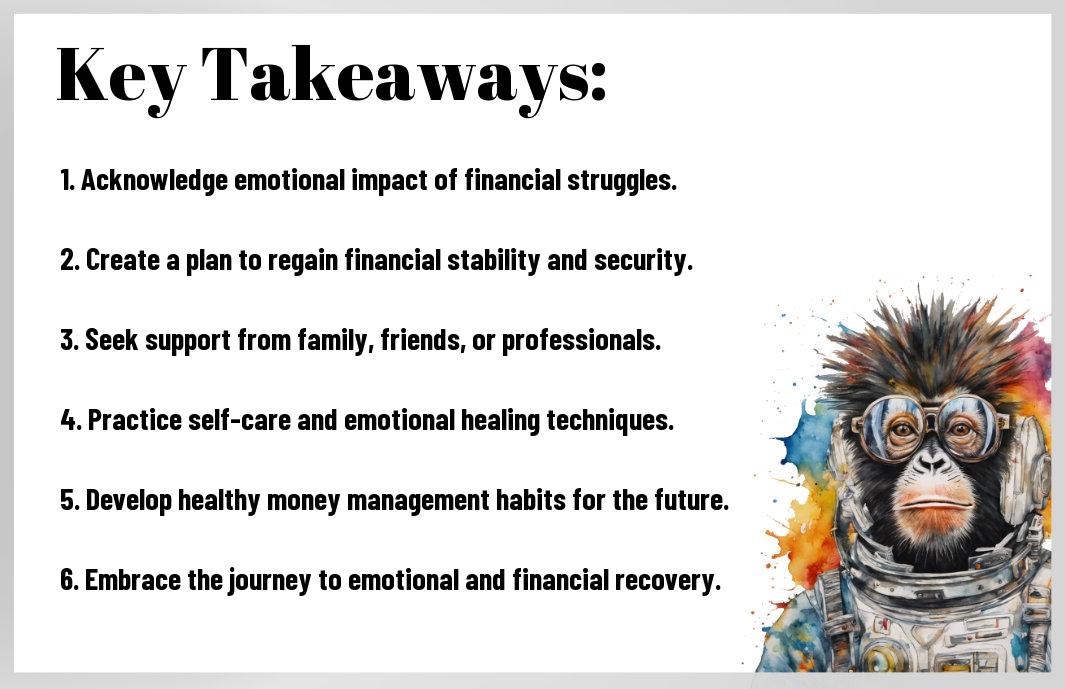
Key Takeaways:
- Understanding the emotional impact: Financial trouble can take a toll on your mental and emotional well-being. It's important to recognize and address the emotional impact of money-related heartache.
- Creating a plan for recovery: Take proactive steps to address your financial situation and create a plan for recovery. This may include budgeting, seeking financial counseling, and making necessary lifestyle changes.
- Seeking support: Don't be afraid to reach out for emotional and financial support. Surround yourself with understanding and supportive friends, family, and professionals who can help guide you through this difficult time.
- Changing your mindset: Shift your perspective on money and understand that your worth is not defined by your financial status. Cultivate a positive and resilient mindset to overcome money-related heartache.
- Practicing self-care: Take care of your mental and emotional well-being by practicing self-care activities such as exercise, meditation, and engaging in hobbies that bring you joy and relaxation.
- Setting financial goals: Establish clear financial goals and work towards achieving them. This can provide a sense of direction and purpose, helping you to regain control over your financial situation.
- Learning from the experience: Use this challenging experience as an opportunity for growth and learning. Reflect on what led to the money-related heartache and take steps to avoid similar situations in the future.

Identifying the Sources of Financial Stress
Even though it may be difficult to pinpoint the exact sources of your financial stress, understanding where it stems from is crucial in developing a plan for recovery. Identifying and acknowledging the factors contributing to your financial worries will help you take the necessary steps towards healing and rebuilding your financial stability.
Personal Debt and Its Emotional Toll
If you find yourself drowning in personal debt, you are not alone. The weight of debt can be emotionally overwhelming, causing feelings of anxiety, shame, and hopelessness. The constant pressure of meeting repayment deadlines and dealing with collection calls can take a significant toll on your mental and emotional well-being. It is important to remember that you are not defined by your debt. Take control of your finances by creating a plan to reduce and eliminate your debt. Seek help from credit counseling services or financial advisors to assist you in devising a manageable repayment strategy. By addressing your personal debt head-on, you can alleviate some of the emotional burden and regain a sense of control over your financial situation.
Unemployment and Loss of Income
Losing your job or experiencing a significant reduction in income can be one of the most distressing financial setbacks you may encounter. The uncertainty of not knowing how you will meet your financial obligations can lead to feelings of helplessness and insecurity. It is important to remember that experiencing unemployment or loss of income does not diminish your value as a person. Focus on maintaining a positive mindset and continue to actively seek new employment opportunities or alternative sources of income. Utilize resources such as unemployment benefits, career counseling services, and networking to support your job search and financial recovery.
Emotional Responses to Financial Challenges
Unlike other stressors in life, financial challenges can trigger a unique set of emotional responses that can be overwhelming and difficult to manage. It is important to recognize and understand these emotional responses in order to address them and work towards emotional and financial recovery.
Anxiety and Depression Linked to Money Issues
When you are facing financial challenges, it is common to experience heightened levels of anxiety and depression. The constant worry about meeting financial obligations, the fear of not being able to provide for yourself and your loved ones, and the shame of not being able to keep up with others can all contribute to these emotional struggles. The impact of anxiety and depression linked to money issues can be detrimental to your overall well-being and can lead to a vicious cycle of negative emotional and financial patterns. It is important to seek support and professional help to address these mental health challenges in the face of financial difficulties.
The Strain on Relationships and Self-Esteem
Financial challenges can also put a significant strain on your relationships and self-esteem. The stress and tension that comes with money-related issues can lead to conflicts with your partner, family members, and friends. It can also result in feelings of inadequacy, low self-worth, and a loss of confidence. The strain on relationships and self-esteem can further exacerbate the emotional toll of financial hardships, making it difficult to maintain a healthy support system and a positive self-image. Recognizing the impact of financial challenges on your relationships and self-esteem is crucial in order to address these areas and work towards finding stability and confidence once again.
Strategies for Financial Recovery
To recover from the money-related heartache you have experienced, you need to take deliberate steps towards financial recovery. This will involve creating a plan to manage your finances, systematically pay off debts, and build up your savings. It may seem overwhelming at first, but with the right strategies and mindset, you can certainly overcome this challenge and emerge stronger than ever.
Creating a Practical Budget Plan
One of the first steps towards financial recovery is to create a practical budget plan that reflects your current financial situation. Evaluate all your sources of income and list out your expenses. Identify areas where you can cut back on nonessential spending and allocate more towards debt repayment and savings. It's crucial to be realistic and honest about your financial habits and commitments when creating your budget. Remember to include any irregular expenses such as annual fees or maintenance costs.
Navigating Debt Repayment and Savings Goals
When dealing with debt, it's important to prioritize high-interest debts and develop a plan for paying them off as efficiently as possible. Consistently making at least the minimum payments is crucial, but if you can allocate extra funds towards debt repayment, you'll reach financial freedom much faster. At the same time, it's vital to start building up your emergency savings to avoid falling back into the cycle of debt in case of unexpected expenses. Set specific savings goals and establish a separate account to keep those funds untouched for emergencies. By balancing debt repayment and savings goals, you'll be laying the foundation for your financial stability and peace of mind.
Approaches to Emotional Healing
Despite the pain and heartache you may be experiencing due to money-related issues, it is important to remember that emotional healing is possible. By taking proactive steps to address your emotions, you can begin to work towards a place of peace and healing. Here are some approaches to emotional healing that may help you on your journey to recovery.
Seeking Professional Support
If you find that your emotional distress is overwhelming and affecting your daily life, seeking professional help from a therapist or counselor can be a crucial step in your healing process. A mental health professional can provide you with the support and guidance you need to navigate through your feelings of anxiety, stress, and depression. They can also help you develop healthy coping mechanisms and provide a safe space for you to explore and process your emotions.
Developing Healthy Coping Mechanisms
Developing healthy coping mechanisms is essential for managing the emotional distress caused by money-related heartache. You may find it helpful to engage in activities that promote relaxation and stress-reduction, such as exercise, meditation, or spending time with loved ones. It is important to avoid unhealthy coping mechanisms such as excessive drinking or drug use, as these can further exacerbate your emotional and financial problems. Additionally, establishing a support network of friends and family members can provide you with a sense of belonging and help you feel less isolated during this challenging time.
Rebuilding and Resilience
Now that you have acknowledged your money-related heartache and are working through your emotional and financial recovery, it is time to focus on rebuilding and resilience. This phase of the journey involves taking proactive steps to regain control over your financial situation and build the resilience needed to bounce back from adversity.
Achieving Long-Term Financial Stability
One of the key components of rebuilding and resilience is achieving long-term financial stability. This involves creating a comprehensive budget that accounts for all your expenses and income, as well as identifying areas where you can cut back on non-essential spending. Setting clear financial goals and creating a realistic plan to achieve them will help you regain a sense of control over your financial future. It may also be beneficial to seek the guidance of a financial advisor or counselor who can provide personalized advice and support as you work towards long-term financial stability.
Restoring Confidence and Emotional Well-being
Restoring confidence and emotional well-being is a crucial aspect of the rebuilding and resilience process. It is important to acknowledge and address any negative emotions that have arisen as a result of your money-related heartache. Seeking support from loved ones or a therapist can help you process your emotions and develop a positive mindset. Practicing self-care and engaging in activities that bring you joy and fulfillment can also contribute to restoring your confidence and emotional well-being.
Conclusion
With these considerations, you now have a roadmap to navigate the emotional and financial turmoil that can often accompany money-related heartache. By taking control of your emotions, seeking professional help when needed, and making a concrete plan for your financial recovery, you can begin to heal from the pain of financial loss. Remember, you are not alone in this journey, and with time and dedication, you can overcome this heartache and emerge stronger than before. It is important to seek support from loved ones and professionals, and to take proactive steps to rebuild your financial stability. You have the power to turn this difficult experience into an opportunity for growth and resilience.
Money-Related Heartache - A Roadmap to Emotional and Financial Recovery
Q: What is "Money-Related Heartache"?
A: "Money-Related Heartache" refers to the emotional distress and financial challenges that can arise from issues such as debt, financial instability, and money-related conflicts. It can manifest as stress, anxiety, depression, and strained relationships.
Q: How can I overcome money-related heartache?
A: Overcoming money-related heartache involves addressing both the emotional and financial aspects of the issue. This may include seeking professional help, creating a budget, developing a repayment plan for debts, and improving financial literacy.
Q: What are the common causes of money-related heartache?
A: Common causes of money-related heartache include poor money management, overspending, job loss, unexpected expenses, financial dependence on others, and unresolved conflicts about money within relationships.
Q: How can I rebuild my financial life after experiencing money-related heartache?
A: Rebuilding your financial life involves setting clear financial goals, establishing a budget, reducing expenses, increasing income where possible, and building an emergency fund. It may also involve seeking professional advice to improve credit, manage debt, and plan for the future.
Q: How can I take care of my mental health while dealing with money-related heartache?
A: Taking care of your mental health involves seeking support from friends, family, or mental health professionals. It may also involve practicing self-care, setting boundaries, and developing healthy coping mechanisms for stress and anxiety related to financial challenges.