
Have you recently experienced a significant financial loss, such as a market downturn, business failure, or unexpected expenses? Financial loss can have a profound impact on your mental well-being, causing feelings of anxiety, stress, and even depression. Understanding the psychology of financial loss and learning how to heal and move forward is crucial for rebuilding your financial and emotional stability. In this post, we'll delve into the psychological effects of financial loss and provide you with actionable steps to help you overcome the challenges and regain control of your finances. If you'd like to explore this topic deeper, you can check out this article on 4 Signs of Financial Trauma and Steps for Resolving It.
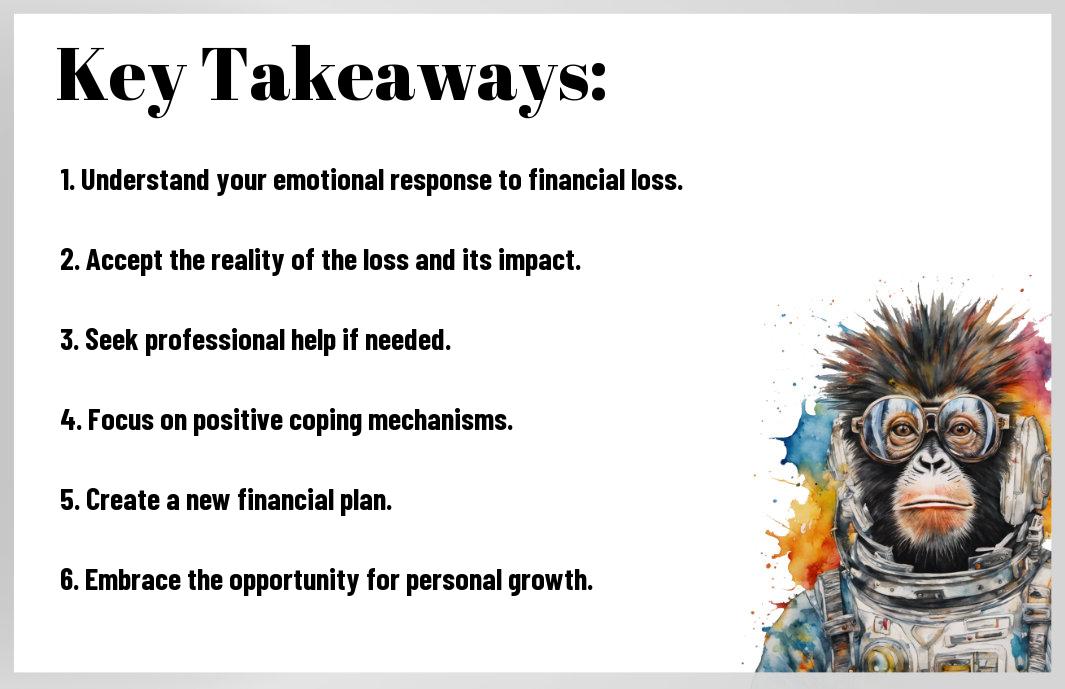
Key Takeaways:
- Recognize the emotional impact: Financial loss can have a profound effect on mental and emotional well-being, and it's important to acknowledge and address these feelings.
- Seek support: Connecting with friends, family, or a therapist can provide valuable support and perspective during difficult times.
- Focus on what you can control: While certain financial losses may be out of your control, it's important to focus on what you can do to improve your financial situation moving forward.
- Develop a plan: Creating a clear and actionable plan for financial recovery can help provide a sense of direction and purpose.
- Practice self-compassion: Be kind to yourself during this challenging time, and avoid self-blame or harsh judgment.
- Learn from the experience: Use the financial loss as an opportunity for growth and learning, and consider how it can inform your future financial decisions.
- Seek professional advice: If the financial loss is particularly significant, consider consulting with a financial advisor or counselor for personalized guidance.

The Psychology Behind Money and Emotions
One of the most common misconceptions about money is that it is a purely rational and logical concept. However, the truth is that money is deeply tied to our emotions, affecting how we think, feel, and behave. Understanding the psychology behind money and emotions is crucial in order to effectively deal with financial loss and move forward.
Mental Accounting and Loss Aversion
When it comes to money, people tend to engage in mental accounting, a concept coined by the behavioral economist Richard Thaler. This refers to the tendency to treat money differently depending on where it comes from and where it is going. For example, receiving a bonus might make you more likely to spend it on luxury items rather than save it, simply because it feels like "extra" money. Additionally, loss aversion plays a significant role in the way we handle financial loss. You are more likely to feel the pain of losing $100 than the pleasure of gaining $100, which can lead to irrational financial decisions and hinder your ability to move forward.
The Sunk Cost Fallacy and Financial Decision-Making
Another aspect of the psychology behind money is the sunk cost fallacy, which impacts your financial decision-making. This fallacy occurs when you continue to invest in a losing proposition because you have already invested a lot of time, effort, or money into it. You may feel compelled to hold onto a losing stock or stay in a failing business venture simply because of the emotional investment you have made, even when it would be more rational to cut your losses and move on. Understanding this psychological bias can help you make more rational financial decisions, especially in the face of loss.
Coping Mechanisms for Financial Loss
Not all coping mechanisms are created equal when it comes to dealing with financial loss. It's important to acknowledge your feelings and find healthy ways to process and cope with them. By utilizing effective coping mechanisms, you can navigate through this difficult time and eventually move forward towards financial recovery.
The Role of Resilience and Adaptability
Resilience and adaptability play a crucial role in how you cope with financial loss. Resilience allows you to bounce back from setbacks and hardships, while adaptability enables you to adjust and thrive in the face of changing financial circumstances. By harnessing your resilience and adaptability, you can build the strength needed to overcome financial challenges and emerge stronger than before.
Strategies for Emotional Recovery
When facing financial loss, it's important to implement strategies for emotional recovery. This may involve seeking support from loved ones, engaging in self-care practices, and seeking professional help if needed. By prioritizing your emotional well-being, you can gradually heal from the impact of financial loss and regain a sense of stability and control in your life.
Learning from Loss: Financial Planning and Risk Management
Despite the pain and frustration that comes with experiencing financial loss, it presents a valuable opportunity for learning and growth. Implementing better financial planning and risk management strategies can help you mitigate future losses and build a more secure financial future. By examining the factors that led to your financial loss, you can identify areas where your financial planning and risk management fell short and make necessary adjustments to prevent similar situations from occurring in the future.
Reevaluating Financial Goals and Expectations
When faced with financial loss, it's important to reevaluate your financial goals and expectations. This may involve reassessing your risk tolerance, setting more realistic financial goals, and adjusting your investment strategies. By revisiting and modifying your financial goals and expectations, you can set yourself up for a more secure and sustainable financial future. It's crucial to be honest with yourself about the factors that contributed to your financial loss and make necessary changes to avoid repeating the same mistakes.
Implementing Better Money Management Techniques
Implementing better money management techniques is essential for moving forward from financial loss. This may involve creating a detailed budget, tracking your expenses, and establishing an emergency fund to cover unexpected costs. By developing strong money management skills, you can regain control of your finances and minimize the risk of future financial setbacks. It's important to be disciplined in managing your finances and seek professional guidance if needed to ensure that you are making the most of your resources.
Conclusion
With these considerations in mind, it is important to acknowledge and address the psychological impact of financial loss in order to heal and move forward. It is normal to experience a range of emotions, including anger, sadness, and anxiety, but it is crucial to take proactive steps to process your feelings and seek support if needed. By reframing your mindset, setting realistic expectations, and taking control of your financial situation, you can ultimately overcome the adversity of loss and rebuild your financial well-being. Remember, it is okay to ask for help and to take the time you need to heal. By understanding the psychology of financial loss and implementing healthy coping strategies, you can pave the way for a brighter financial future.
FAQ
Q: What is the psychology of financial loss?
A: The psychology of financial loss refers to the emotional and psychological impact of experiencing a significant monetary loss. It encompasses the feelings of grief, shame, stress, and anxiety that can arise from financial setbacks.
Q: How does financial loss affect mental health?
A: Financial loss can lead to increased levels of stress, anxiety, and depression. It can also negatively impact self-esteem and overall well-being. Individuals may experience a sense of failure and helplessness, leading to a decline in mental health.
Q: What are common reactions to financial loss?
A: Common reactions to financial loss include feelings of shock, denial, anger, and fear. Individuals may also experience a loss of motivation, withdrawal from social activities, and a sense of hopelessness about the future.
Q: How can one heal from financial loss?
A: Healing from financial loss involves acknowledging and processing the emotions associated with the loss. Seeking support from friends, family, or mental health professionals can also be beneficial. Additionally, developing a proactive plan to address financial challenges and regain stability is crucial for healing and moving forward.
Q: What strategies can help in moving forward from financial loss?
A: Building resilience and developing a positive mindset are essential for moving forward from financial loss. This can involve setting realistic goals, creating a budget, and seeking opportunities for financial growth. It is also important to practice self-care and cultivate a sense of optimism about the future.