
Are you feeling overwhelmed by the burden of providing for your family? The stress of managing finances and ensuring your loved ones' well-being can take a toll on your emotional health. It's crucial to recognize the impact that financial worries can have on your overall well-being and to take proactive steps to manage this stress. In this blog post, we will discuss practical strategies to help you navigate the challenges of being a provider while prioritizing your mental and emotional well-being.
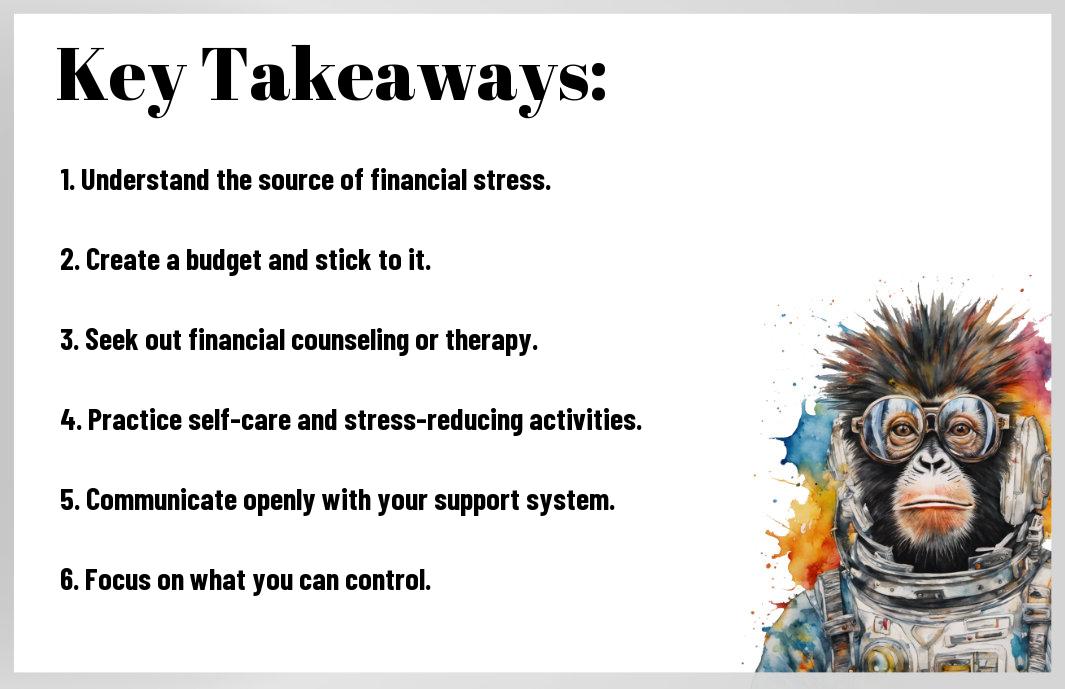
Key Takeaways:
- Recognize financial stress: It's important to acknowledge and understand the impact of financial worries on your emotional health.
- Seek professional help: Don't be afraid to consult a financial advisor or therapist for guidance on managing your financial and emotional stress.
- Implement a budget: Creating a detailed budget can help alleviate financial worries and provide a sense of control over your finances.
- Practice self-care: Engage in activities that help reduce stress, such as exercise, meditation, or spending time with loved ones.
- Communicate with loved ones: Discussing your financial concerns with trusted individuals can provide emotional support and potential solutions.
- Explore alternative income sources: Consider finding additional ways to generate income, such as freelancing or part-time work, to alleviate financial strain.
- Focus on the present: Rather than fixating on future financial worries, focus on taking small steps towards financial stability in the present moment.
Understanding Provider Stress
Any job in the healthcare industry comes with its own set of challenges, but as a provider, you face a unique set of stressors that can affect your financial and emotional well-being. It is important to understand the specific factors contributing to provider stress in order to effectively manage and cope with these challenges.
The Prevalence of Financial Concerns Among Providers
Providers across various specialties often face significant financial concerns. Student loan debt, stagnant reimbursement rates, and the rising cost of malpractice insurance are just a few of the financial stressors that can weigh heavily on your mind. As a healthcare provider, it's essential to address these concerns head-on, as they can impact your overall well-being and job satisfaction.
Emotional Health Challenges in Healthcare Settings
In addition to financial worries, healthcare providers also experience unique emotional health challenges. The demanding nature of the job, long hours, high patient volume, and exposure to critical or traumatic situations can take a toll on your emotional well-being. It's important to recognize the impact of these challenges and take proactive steps to manage your emotional health while providing care to others.
Not all healthcare providers are well-versed in financial management, which can lead to increased stress and worry. However, by implementing effective strategies for financial management, you can alleviate some of the burdens related to money and focus on providing the best care for your patients. In this chapter, we will discuss some key strategies for managing your finances and improving your emotional well-being.Strategies for Financial Management
Budgeting and Financial Planning for Providers
When it comes to managing your finances as a healthcare provider, budgeting and financial planning are essential. Creating a detailed budget that outlines your income, expenses, and savings goals will allow you to gain a clear understanding of your financial situation. By identifying areas where you can cut costs or save money, you can proactively manage your finances and reduce stress. Furthermore, establishing a solid financial plan will help you set long-term financial goals and make informed decisions about investments and savings.Navigating Insurance and Benefits Optimization
Navigating the complexities of insurance and benefits can be overwhelming, but it is crucial for healthcare providers to optimize their coverage and make the most of their benefits. Understanding the details of your insurance plans, including coverage, copayments, and deductibles, will help you make informed choices about your healthcare expenses. Moreover, maximizing your benefits and taking advantage of wellness programs and resources can contribute to both your physical and financial well-being. It's important to stay proactive in reviewing your insurance policies and seeking out opportunities to optimize your benefits for better financial security. By implementing these strategies for financial management, you can take control of your finances and reduce the stress associated with money matters. Taking the time to create a budget and financial plan, as well as optimizing your insurance and benefits, will contribute to a healthier financial future for you as a healthcare provider.
Enhancing Emotional Well-Being
Now that you understand the impact of financial worries on your emotional health, it's important to focus on enhancing your emotional well-being. Taking care of your mental and emotional health is crucial for managing the stress that comes with being a provider. By enhancing your emotional well-being, you can build resilience and cope better with the challenges that come your way.Identifying Signs of Burnout and Emotional Fatigue
It's important to be aware of the signs of burnout and emotional fatigue. This includes feeling depleted, experiencing a lack of motivation, and feeling overwhelmed by your responsibilities. You may also notice changes in your sleep patterns, appetite, or mood. If you notice any of these signs, it's crucial to take them seriously and seek support. Burnout and emotional fatigue can have serious consequences on your overall well-being, so it's important to address these signs promptly.
Techniques for Stress Reduction and Mental Resilience
There are various techniques you can use to reduce stress and build mental resilience. This includes practicing self-care activities such as exercise, meditation, or spending time with loved ones. It's important to prioritize self-care and make time for activities that bring you joy and relaxation. Additionally, seeking professional help through therapy or counseling can provide you with the support and coping strategies you need to build mental resilience and manage stress effectively.
Building a Supportive Work Environment
Unlike many other professions, healthcare providers are often under intense pressure due to high stakes, long hours, and the emotional toll of caring for others. It's crucial for healthcare organizations to prioritize creating a supportive work environment that acknowledges and addresses these challenges. By doing so, you can better manage your financial worries and emotional health.
Implementing Organizational Changes to Reduce Stress
One way to build a supportive work environment is by implementing organizational changes to reduce stress. This may include creating flexible scheduling options, providing resources for mental health support, and fostering a culture of open communication. By doing so, you can create a work environment that prioritizes your well-being and acknowledges the unique challenges you face as a healthcare provider.
Encouraging Peer Support and Professional Resources
Encouraging peer support and providing access to professional resources is another essential aspect of building a supportive work environment. This can involve setting up support groups or peer mentoring programs, as well as offering access to professional counseling services or workshops. By fostering a culture of peer support and providing access to professional resources, you can feel more supported and less isolated in your role as a healthcare provider.
Conclusion: The Provider's Stress - Managing Financial Worries and Emotional Health
Now that you have learned about the connection between financial worries and emotional health, it is important to take proactive steps to manage your stress as a healthcare provider. Recognize the impact that financial pressures can have on your mental well-being and seek out resources and support systems to cope with these challenges. By prioritizing your mental and financial wellness, you can better serve your patients and maintain a more positive work-life balance. For more information on this topic, visit Mental well-being inherently connected to financial wellness.
FAQ
Q: What is Provider's Stress?
A: Provider's Stress refers to the emotional and psychological burden experienced by individuals who are responsible for providing financial support for themselves and/or their families. This stress can stem from various factors, including financial worries, work pressures, and the need to meet the expectations of others.
Q: How does financial worries impact emotional health?
A: Financial worries can lead to a range of emotional health issues, including anxiety, depression, and chronic stress. The constant concern about money can affect a person's overall well-being and lead to feelings of helplessness and hopelessness.
Q: What are some strategies for managing financial worries?
A: Some strategies for managing financial worries include creating a budget, seeking professional financial advice, exploring options for additional income, and practicing mindfulness to reduce stress and anxiety.
Q: How can providers seek emotional support while managing financial stress?
A: Providers can seek emotional support by confiding in trusted friends or family members, seeking counseling or therapy, joining support groups, and practicing self-care activities that promote emotional well-being.
Q: When should a provider seek professional help for managing provider's stress?
A: A provider should seek professional help when their stress becomes overwhelming, affects their daily functioning, or leads to thoughts of self-harm or suicide. It's important to reach out to a mental health professional if provider's stress starts to interfere with their ability to cope effectively.