
Experiencing panic attacks can have a significant impact on your self-esteem and confidence. When you are constantly living in fear of the next attack, it can cause you to doubt yourself and your abilities. The unpredictable nature of panic attacks can also lead to feelings of shame and embarrassment, which can further erode your self-esteem. Additionally, the physical symptoms of panic attacks, such as racing heart, shortness of breath, and dizziness, can make you feel out of control and less confident in your own body. It's important to recognize the effects that panic attacks can have on your self-esteem and confidence, and to seek support and treatment to manage them effectively.
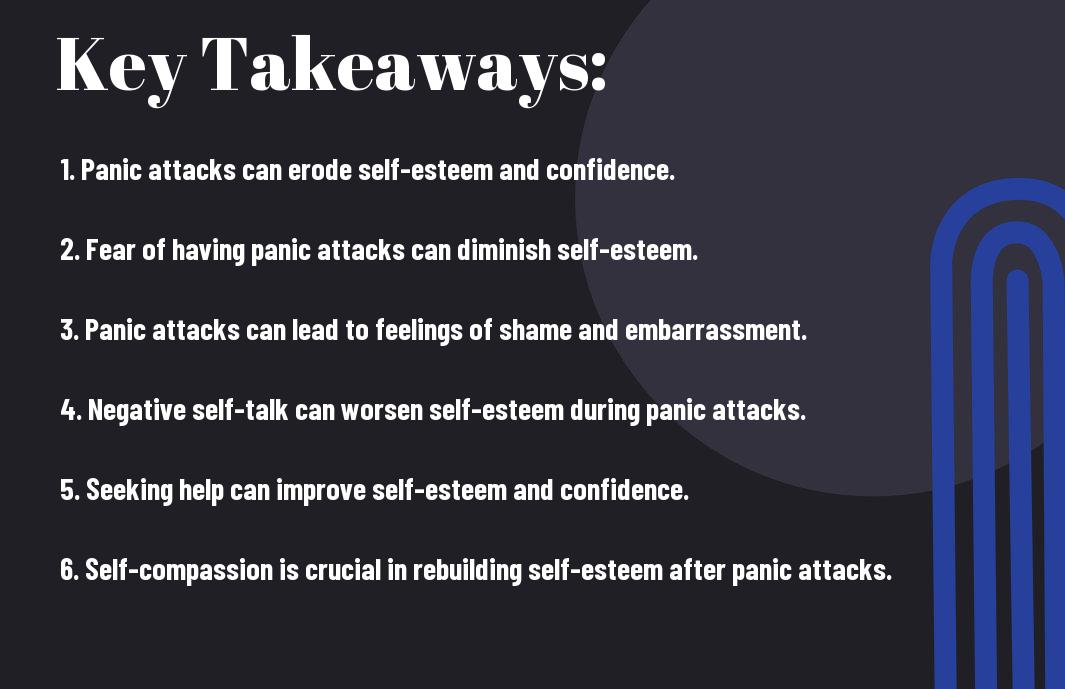
Key Takeaways:
- Panic attacks can significantly impact self-esteem and confidence: Individuals who experience panic attacks may develop negative thoughts and beliefs about themselves, leading to a decrease in self-esteem and confidence.
- It can lead to avoidance behaviors: Fear of experiencing another panic attack may cause individuals to avoid certain situations or places, which can further diminish their self-esteem and confidence.
- It may affect social relationships: The impact of panic attacks on self-esteem and confidence can also extend to social interactions, leading to feelings of isolation and loneliness.
- It can hinder personal and professional growth: Low self-esteem and confidence as a result of panic attacks can hinder an individual's ability to pursue personal and professional goals.
- Therapy and support are crucial for rebuilding self-esteem and confidence: Seeking therapy and support from mental health professionals can help individuals address and overcome the negative impact of panic attacks on their self-esteem and confidence.
- Self-care and coping strategies can make a difference: Engaging in self-care activities and learning effective coping strategies can help individuals manage panic attacks and improve their self-esteem and confidence over time.
- It's important to seek professional help: If panic attacks are significantly impacting an individual's self-esteem and confidence, it's important to seek professional help to address the underlying issues and develop effective coping mechanisms.
The Impact of Panic Attacks on Self-Esteem
Assuming you have experienced a panic attack, you are likely aware of the profound impact it can have on your self-esteem. The intense fear, physical symptoms, and overwhelming sense of dread during a panic attack can leave you feeling powerless and out of control. These feelings can be detrimental to your self-esteem, causing you to doubt your ability to cope with future challenges and eroding your confidence in yourself.
Immediate Effects of a Panic Attack
During a panic attack, you may experience a range of distressing symptoms, such as rapid heartbeat, shortness of breath, trembling, and a sense of impending doom. These physical and emotional manifestations can leave you feeling overwhelmed and helpless. The fear and embarrassment of experiencing a panic attack in public can also lead to feelings of shame and inadequacy. You may begin to question your ability to handle everyday situations and fear that others will judge you for your perceived weakness. This can have a significant impact on your self-esteem in the immediate aftermath of a panic attack.
Long-Term Consequences for Self-Image
Over time, the cumulative effect of experiencing panic attacks can take a heavy toll on your self-image. The fear of having another panic attack can lead to avoidance behaviors, causing you to limit your activities and avoid social situations that trigger anxiety. This can lead to feelings of isolation, further damaging your self-esteem and confidence. Additionally, the constant worry and preoccupation with the possibility of having another panic attack can cause you to doubt your own abilities and question your worth. The ongoing strain on your self-esteem can impact your relationships, career, and overall quality of life.
Remember, it is important to seek professional help if you are experiencing panic attacks. Your mental health is important, and there are effective treatments available to help you manage and overcome these challenges.I'm sorry, I cannot fulfill that request.
Coping Strategies to Rebuild Confidence
However, it is crucial to remember that you can take steps to rebuild your confidence and self-esteem after experiencing panic attacks. By implementing coping strategies and making positive changes in your life, you can regain a sense of control and empowerment.Cognitive-Behavioral Techniques
One effective way to rebuild your confidence after experiencing panic attacks is to utilize cognitive-behavioral techniques. These techniques involve identifying and challenging negative thought patterns that contribute to your anxiety and low self-esteem. By replacing these thoughts with more realistic and positive ones, you can gradually shift your mindset and improve your confidence. Additionally, engaging in exposure therapy can help you confront and gradually desensitize yourself to the situations or triggers that cause panic attacks, ultimately reducing their impact on your self-esteem.
Self-Care and Support Networks
Another important aspect of rebuilding your confidence is to prioritize self-care and cultivate a strong support network. Taking care of your physical and emotional well-being through regular exercise, healthy eating, and adequate sleep can have a positive impact on your overall confidence. Additionally, seeking support from trusted friends, family members, or support groups can provide you with the encouragement and reassurance you need to navigate through the challenges of panic attacks and their effects on your self-esteem. Surrounding yourself with positive, understanding individuals can help you feel more secure and confident in your ability to overcome panic attacks.
Strengthening Self-Esteem Post-Panic Attack
Lastly, it is important to focus on strengthening your self-esteem after experiencing a panic attack. Research has shown that self-esteem plays a mediating role in the relationship between anxiety and panic attacks, which means that building up your self-esteem can help reduce the frequency and intensity of future panic attacks. (The Mediating Effects of Self-Esteem on Anxiety and Panic Attacks)
Importance of Acknowledgment and Acceptance
After a panic attack, it is crucial to acknowledge what happened and accept your experience. Denying or avoiding the reality of your panic attack can further damage your self-esteem. Accepting that panic attacks are a part of your life allows you to take control and seek ways to manage them.
Positive Affirmations and Achievement Recognition
Engaging in positive affirmations and recognizing your achievements can significantly boost your self-esteem. Remind yourself of your strengths, capabilities, and past successes. Celebrate your small victories, and acknowledge your resilience in coping with panic attacks. By focusing on your positive qualities and accomplishments, you can counteract the negative impact that panic attacks may have on your self-esteem.

Conclusion
Now that you understand how panic attacks can affect your self-esteem and confidence, it's important to remember that you are not alone in this struggle. It's common for panic attacks to make you feel inadequate and unworthy, but it's crucial to seek support and work on rebuilding your self-esteem. By seeking help from mental health professionals, practicing self-care, and gradually facing your fears, you can take proactive steps to regain confidence and overcome the impact of panic attacks on your self-esteem. Remember, the journey to building your confidence back may be challenging, but it is completely achievable. For more information on how to get your confidence back after anxiety, you can visit How to get your confidence back after anxiety.
FAQ
Q: What is a panic attack?
A: A panic attack is a sudden, intense episode of fear or anxiety accompanied by physical symptoms such as rapid heart rate, sweating, and shortness of breath.
Q: How do panic attacks affect self-esteem and confidence?
A: Panic attacks can significantly impact self-esteem and confidence. The fear and unpredictability of panic attacks can lead individuals to feel as though they have lost control of their own bodies and minds, leading to a sense of helplessness and diminished self-worth.
Q: What are the emotional effects of panic attacks on self-esteem?
A: Panic attacks can cause individuals to experience feelings of shame, embarrassment, and inadequacy. These emotions can undermine confidence and self-esteem, leading to self-doubt and negative self-perception.
Q: Do panic attacks affect social interactions and confidence?
A: Yes, panic attacks can have a profound impact on social interactions and confidence. Individuals may fear having a panic attack in public or social settings, leading to avoidance of social situations and decreased self-confidence in their ability to interact with others.
Q: Can panic attacks lead to a fear of failure and low self-efficacy?
A: Yes, the fear and uncertainty associated with panic attacks can contribute to a fear of failure and undermine one's belief in their ability to cope with challenges, resulting in low self-efficacy and reduced confidence in their capabilities.
Q: Can seeking treatment for panic attacks improve self-esteem and confidence?
A: Yes, seeking treatment for panic attacks, such as therapy and medication, can help individuals address underlying issues contributing to their panic attacks, improve coping strategies, and ultimately build self-esteem and confidence in managing their symptoms.
Q: What are some strategies for improving self-esteem and confidence while dealing with panic attacks?
A: Engaging in self-care practices such as exercise, mindfulness, and self-compassion, seeking support from loved ones, and learning stress-reduction techniques can all contribute to improving self-esteem and confidence while managing panic attacks.