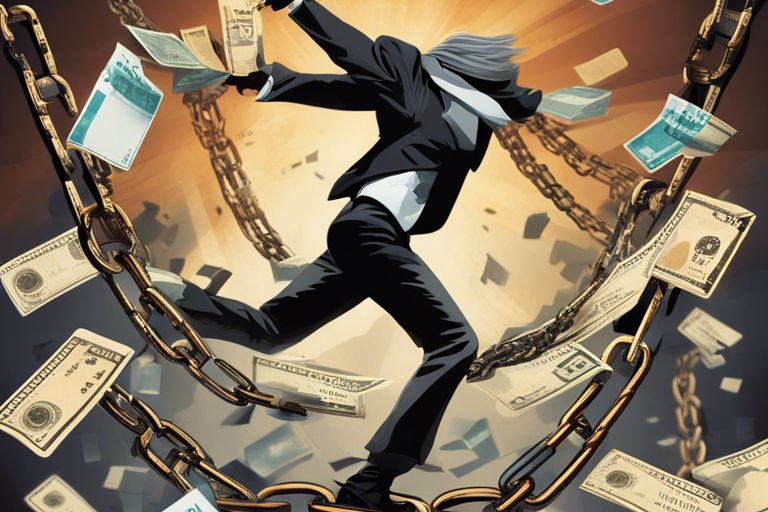
Did you know that financial abuse is a serious form of domestic violence that can have long-lasting effects on your physical and mental well-being? It's time to take back control of your finances and your life. In this blog post, we'll explore the signs of financial abuse and provide you with strategies to protect yourself from this harmful behavior. To learn more about the 4 Warning Signs Of Financial Abuse In Relationships, keep reading!
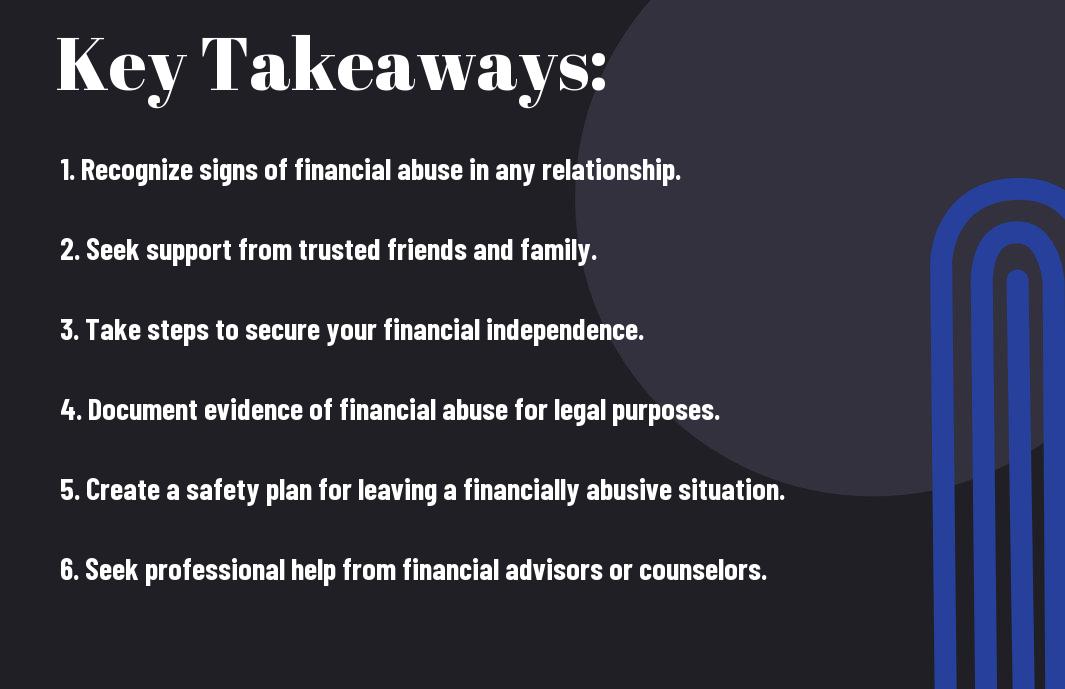
Key Takeaways:
- Recognize the Signs: Financial abuse can take many forms, including controlling access to money, withholding financial information, or pressuring a partner to take out loans.
- Seek Support: It's important to reach out to trusted friends, family, or professionals for help if you suspect you are experiencing financial abuse.
- Take Back Control: Empower yourself by learning about your financial rights and options for taking control of your money and assets.
- Create a Safety Plan: If you are in a dangerous situation, it's crucial to have a safety plan in place to protect yourself and your finances.
- Know Your Worth: Remember that you deserve to have control over your own finances and to be treated with respect in your relationship.
- Document Everything: Keep detailed records of financial transactions and important documents to protect yourself and build a case if necessary.
- Take Legal Action: If you are experiencing financial abuse, consider seeking legal assistance to protect your rights and seek justice.
The Anatomy of Financial Abuse
Some people may not realize that they are being financially abused because it can come in many different forms. It can include anything from withholding money, controlling your spending, maxing out credit cards in your name, or preventing you from working or accessing your own finances. If you're not sure what financial abuse looks like, you may find it helpful to read more about What is it like to be financially abused?
Power, Manipulation, and Money
Financial abuse is often about power, manipulation, and control. It's not just about the money, it's about the way it's used to dominate and manipulate you. Your abuser may use money as a tool to make you feel dependent and powerless. They may intentionally limit your access to money as a way of controlling your behavior, isolating you, or forcing you to stay in the relationship.
The Cycle of Economic Control
Financial abuse is often cyclical, with periods of tension, escalation, and violence, followed by apologies, promises, and reconciliation. Your abuser may use money to maintain control by alternating between acts of generosity and acts of financial control or sabotage. This creates a sense of hope that the situation will improve, followed by a sense of helplessness when the abuse continues.

Reclaiming Your Financial Identity
Not recognizing your own financial situation is a common consequence of financial abuse. Over time, you may have lost touch with your financial identity and felt helpless to take control. But now is the time to reclaim it. By taking back control of your finances, you can also take back control of your life.
Breaking Free: Strategies for Liberation
First, you need to break free from the cycle of financial abuse. This may involve seeking support from a trusted friend or family member, seeking professional help, or even accessing community resources. It's important to recognize that you have the power to make a change and break free from the control of your abuser. This may be a difficult and emotional process, but it is a crucial step toward reclaiming your financial independence.
Building a Fortress: Learning Financial Self-Defense
Building a fortress around your finances means learning how to protect yourself from future abuse. This involves educating yourself about financial management, setting up your own accounts, and seeking out resources that can help you become more financially savvy. By taking these steps, you can empower yourself to make informed decisions and protect your financial well-being.
Legal Recourses and Support Systems
Despite the challenges of financial abuse, there are legal recourses and support systems available to help you regain control of your finances and your life. It's important to be aware of the options and resources that are out there to assist you in navigating the aftermath of financial abuse.
Navigating the Legal Jungle
When it comes to navigating the legal aspects of financial abuse, it can feel like you're lost in a jungle. However, there are organizations and professionals who can guide you through the process. Whether it's seeking legal counsel or understanding your rights, there are resources available to help you protect yourself and take the necessary steps to reclaim your financial independence. Remember, you have the right to seek legal recourse and take back control of your finances. It's important to have a support system in place to help you through this challenging time.
Allies in the Shadows: Seeking Support
Seeking support is crucial in overcoming the effects of financial abuse. There are organizations and support groups dedicated to helping individuals in situations like yours. Whether it's financial counseling, therapy, or support groups, you don't have to go through this alone. It's okay to ask for help and lean on those who can provide guidance and understanding. You can also turn to trusted friends and family members for support during this difficult time.
Remember, you're not alone in this journey. For more information on rebuilding your finances after financial abuse, you can refer to How to Rebuild Your Finances After Financial Abuse.Moving Forward: A Blueprint for Financial Health
After experiencing financial abuse, it's time to take control and build a new, healthier relationship with your money. Craft a new financial you and secure your financial future with a solid plan for your finances.
Crafting a New Financial You
First things first, it's time to take back control of your finances. Start by creating a budget that reflects your income and expenses. Identify areas where you can cut back on spending and set clear financial goals for yourself. Track your spending and stay accountable to yourself. Consider seeking the help of a financial advisor to guide you through this process and offer tailored advice on how to manage your money effectively. Remember, you have the power to redefine your financial identity and make better decisions for your future.
Securing Your Financial Future
Now that you've taken the first steps towards financial independence, it's time to focus on securing your financial future. Start by building an emergency fund to cover unexpected expenses and protect yourself from falling back into financial vulnerability. Consider exploring investment opportunities to grow your wealth and diversify your income streams. Additionally, educate yourself about financial literacy and make informed decisions about your money. Knowledge is power, and it's crucial to empower yourself with the skills to manage your finances effectively.
Financial Abuse - Taking Control of Your Finances and Your Life FAQ
Q: What is financial abuse?
A: Financial abuse is the use of money or resources to control or manipulate someone in a relationship. It can involve withholding access to money, controlling how money is spent, or sabotaging someone's ability to work or earn an income.
Q: How common is financial abuse?
A: Unfortunately, financial abuse is more common than you might think. It can happen in any type of relationship, regardless of income level or social status. It's a sneaky form of abuse that often goes unnoticed.
Q: What are some warning signs of financial abuse?
A: Warning signs of financial abuse include being denied access to money or financial resources, having someone else control your finances without your input, or being pressured to behave in a certain way in order to receive financial support.
Q: How can I protect myself from financial abuse?
A: It's important to have your own bank account and access to money, even if you're in a relationship. Keep your financial documents in a safe place, and make sure you have a support network of friends and family who can help you if you need to leave a financially abusive situation.
Q: Is there legal protection against financial abuse?
A: Yes, there are legal protections available for those experiencing financial abuse. You may be able to obtain a restraining order or take legal action to regain control of your finances. It's important to seek legal advice from a professional who understands this specific issue.
Q: How can I rebuild my finances after experiencing financial abuse?
A: Rebuilding your finances after financial abuse can take time and effort, but it's definitely possible. Seek help from financial counselors or advisors who can help you create a plan for managing your money and rebuilding your credit. It's also important to focus on building your confidence and self-esteem, as these are key to taking control of your finances and your life.
Q: Where can I find support for financial abuse?
A: There are many organizations and support groups that can help you if you're experiencing financial abuse. Look for local resources in your area, or reach out to national organizations that specialize in helping those affected by domestic abuse. You don't have to go through this alone.