
Experiencing financial stress as a provider can be overwhelming and burdensome. Your ability to provide quality care for your clients can be deeply impacted when your own financial well-being is in jeopardy. In this blog post, we will discuss emotional coping strategies to help you navigate through financial stress and maintain your well-being as a provider. It's important to recognize the dangers that come with ignoring financial stress, and the positive impact that addressing it can have on your personal and professional life.
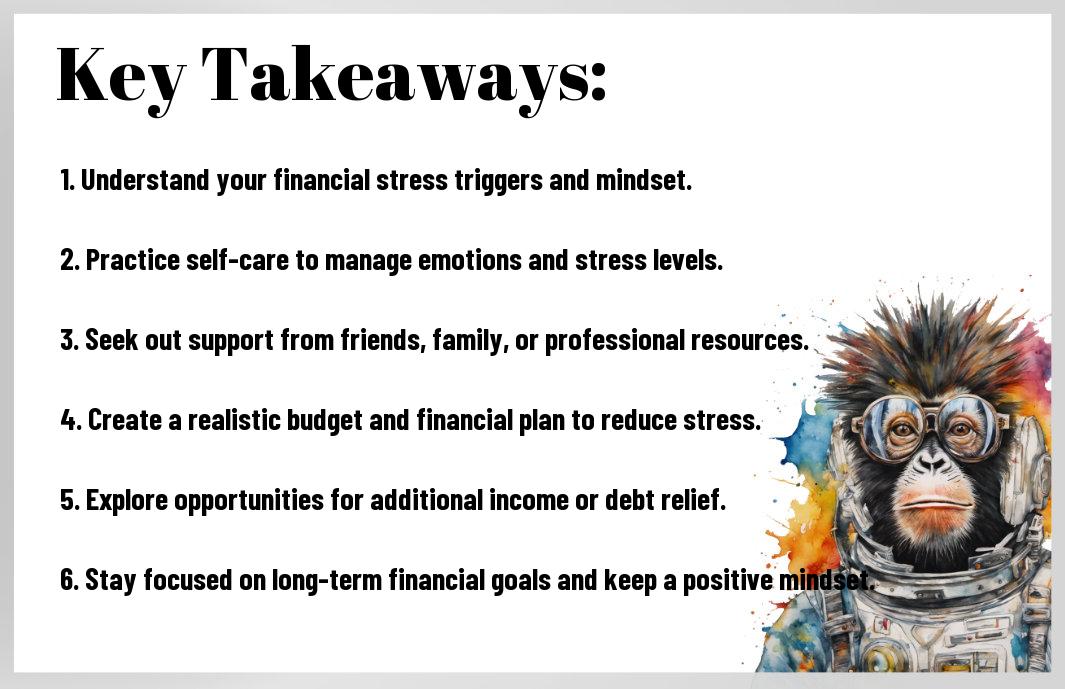
Key Takeaways:
- Recognize the signs: Being aware of the emotional and physical signs of financial stress is crucial in addressing the issue promptly.
- Seek support: Don't hesitate to reach out to friends, family, or a professional for support during times of financial stress.
- Embrace self-care: Taking care of your physical and mental well-being is essential for coping with financial stress.
- Develop a financial plan: Creating a budget and developing a plan to address financial challenges can help alleviate stress and provide a sense of control.
- Communicate with creditors: Open communication with creditors and financial institutions can lead to feasible solutions for managing debt and expenses.
- Explore resources: There are numerous community resources and support services available for individuals dealing with financial stress. Take advantage of these resources.
- Stay positive and proactive: Maintaining a positive mindset and taking proactive steps to address financial challenges can make a significant difference in coping with stress.
Identifying the Sources of Financial Stress
While it is normal to experience some level of financial stress, it is crucial to understand the specific sources of stress that may be impacting you. By identifying these sources, you can develop strategies to alleviate your financial burden. For a detailed study on responding to financial stress, you can refer to Responding to Financial Stress | USU.
Market Fluctuations and Economic Uncertainty
Market fluctuations and economic uncertainty can significantly impact your financial well-being. The unpredictability and volatility of the market can lead to increased stress as you may worry about the potential negative impact on your income, investments, and overall financial stability. It is essential to stay informed about market changes and have a well-thought-out financial plan to mitigate the effects of these fluctuations.
Healthcare Reimbursements and Policy Changes
Healthcare reimbursements and policy changes can also contribute to financial stress for providers. Policy changes often result in uncertainty regarding reimbursements and administrative burdens, impacting your revenue and cash flow. Adapting to these changes while maintaining the quality of patient care can be overwhelming. It is important to stay updated on healthcare policies and explore alternative revenue streams to ease the financial pressure.
Emotional Coping Strategies
Keep in mind that emotional coping is just as important as financial planning when it comes to surviving the stress of being a provider. It's essential to have a toolkit of emotional coping strategies to help you navigate the difficult times and stay resilient.
Mindfulness and Stress Reduction Techniques
Practicing mindfulness can help you stay present and calm, even when facing financial stress. Take time each day to practice deep breathing or meditation to center yourself. Engaging in activities like yoga or tai chi can also help reduce your stress levels and keep you focused on the present moment. These techniques can help you manage the emotional toll that financial stress can take on you, allowing you to approach your challenges with a clear mind and a sense of control.
Building a Support Network
Surrounding yourself with a strong support network is crucial for emotional well-being during times of financial stress. Share your concerns and feelings with trusted friends, family members, or colleagues who can offer support and guidance. Having a strong support network can provide a sense of security and help you feel less isolated during challenging times.
Financial Planning as Emotional Relief
While it may seem contradictory, having a solid financial plan in place can actually provide emotional relief. Knowing that you have a plan to address your financial challenges can give you a sense of peace of mind and stability during uncertain times. Take the time to create a budget, prioritize your expenses, and explore different financial management strategies. This proactive approach can alleviate some of the emotional burden that comes with financial stress.

Tools for Providers
For providers experiencing financial stress, it's crucial to have the right tools at your disposal to help navigate through the challenges. This chapter will discuss two important tools that you can leverage to help alleviate financial stress and improve your emotional well-being.
Leveraging Professional Financial Advice
When you're facing financial stress, seeking professional financial advice can be a game-changer. A financial advisor can provide you with personalized recommendations and strategies to help manage your finances more effectively. They can assist you in creating a budget, managing debt, and planning for the future. By leveraging professional financial advice, you can gain a clearer understanding of your financial situation and develop a plan to achieve your long-term goals. Remember, there's no shame in seeking help when it comes to managing your finances. It's a proactive step that can help alleviate your worries and provide you with a sense of control over your financial future.
Accessing Mental Health Resources
When dealing with financial stress, it's important to recognize the impact it can have on your mental health. Accessing mental health resources such as therapy or counseling can be incredibly beneficial for your overall well-being. Speaking to a mental health professional can help you process your emotions, develop coping strategies, and gain a clearer perspective on your situation. Additionally, they can provide you with valuable support and guidance as you navigate through this challenging time. Remember, taking care of your mental health is just as important as managing your finances. By accessing mental health resources, you can build resilience and find healthier ways to cope with the stress you're experiencing.
Navigating the Future
Now that you have learned how to cope with financial stress in the present moment, it's time to focus on navigating the future. By preparing for economic shifts and adopting long-term wellness approaches, you can build resilience and maintain stability in the face of ongoing challenges.Preparing for Economic Shifts
When it comes to preparing for economic shifts, it's important to have a plan in place. Start by looking for opportunities to diversify your income streams. Consider developing additional skills or offering new services that can supplement your primary source of income. Keep a close eye on market trends and be ready to adapt to changes as they arise. Building a financial safety net is crucial during economic uncertainty. Establish an emergency fund to cover at least three to six months of living expenses. This will provide a buffer in case of unexpected hardships and reduce the financial stress that comes with economic shifts.Long-term Wellness Approaches
In addition to financial preparedness, focusing on your long-term wellness is essential for navigating the future. Prioritize self-care and prioritize activities that promote your mental, emotional, and physical well-being. This may include regular exercise, mindfulness practices, and maintaining a healthy work-life balance. Surround yourself with a supportive network of family, friends, and colleagues who can offer encouragement and assistance when needed. Remember that your overall well-being directly impacts your ability to navigate the challenges of the future. By committing to long-term wellness approaches, you are equipping yourself with the resilience needed to weather any storm that comes your way.Financial Stress Survival - Emotional Coping for Providers
To wrap up, it is important for you to recognize and address the emotional toll that financial stress can take on you as a provider. By implementing coping strategies such as seeking support from loved ones, staying mindful and present, and practicing self-care, you can better navigate the challenges that come with financial stress. Remember that you are not alone in this, and taking proactive steps to manage your emotional well-being can ultimately lead to better financial decision-making and overall improved quality of life. You have the power to overcome financial stress and emerge stronger on the other side.
FAQ
Q: What is financial stress survival?
A: Financial stress survival refers to the ability to navigate and cope with the emotional and psychological burdens that stem from financial challenges or uncertainty.
Q: Why is it important for providers to address financial stress?
A: Providers need to address financial stress because it can significantly impact their well-being, mental health, and ability to effectively care for their patients. Ignoring financial stress can lead to burnout and decreased job satisfaction.
Q: How can providers cope with financial stress?
A: Providers can cope with financial stress by creating a budget, seeking financial counseling, practicing self-care, seeking support from colleagues and loved ones, and exploring additional sources of income or financial assistance.
Q: What are the signs of financial stress?
A: Signs of financial stress include anxiety, depression, irritability, trouble sleeping, changes in appetite, difficulty concentrating, and feelings of hopelessness or helplessness.
Q: What resources are available to help providers cope with financial stress?
A: There are various resources available to help providers cope with financial stress, including employee assistance programs, mental health services, financial planning resources, support groups, and online resources for financial education and management.