
Have you ever experienced unexplained panic attacks that seem to come out of nowhere? It could be a sign of a larger underlying issue. While panic attacks are often attributed to psychological or environmental factors, they can also be a symptom of autoimmune conditions. Your body's immune system is designed to protect you from foreign invaders, but in the case of autoimmune conditions, it mistakenly attacks normal, healthy cells. The resulting inflammation and dysfunction can lead to a range of physical and mental symptoms, including anxiety and panic attacks. In this blog post, we will explore the potential link between panic attacks and autoimmune conditions, as well as the importance of seeking medical evaluation and treatment if you suspect that your panic attacks may be related to an underlying autoimmune condition.
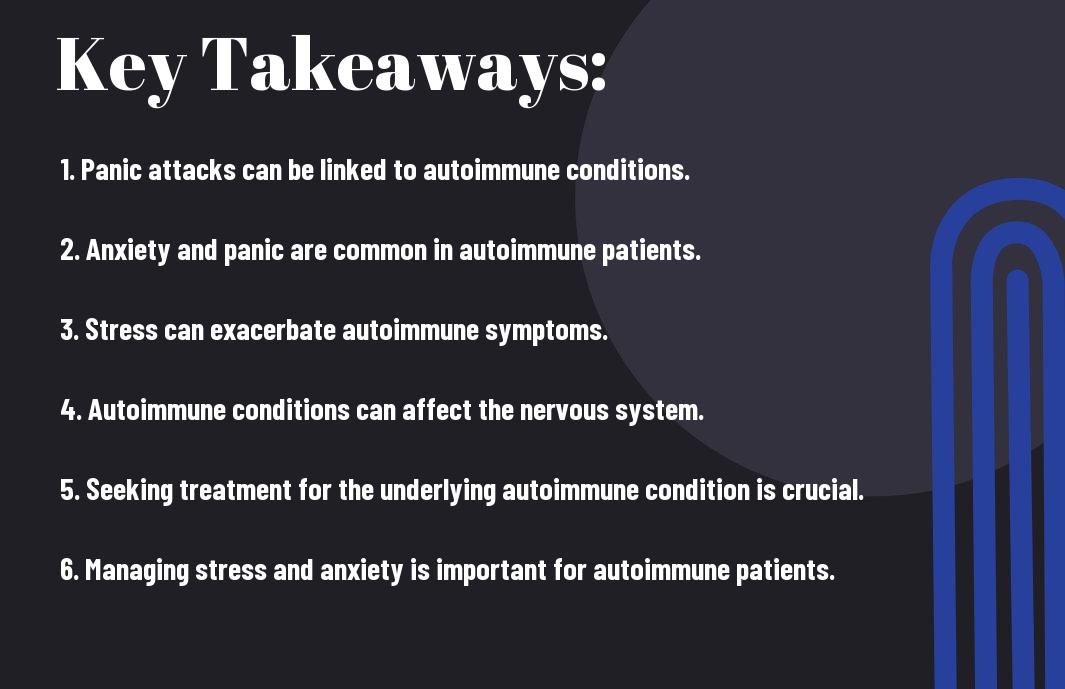
Key Takeaways:
- Panic attacks can be a symptom of autoimmune conditions. It is important to recognize that panic attacks can be a manifestation of underlying physical conditions such as autoimmune disorders.
- Autoimmune conditions may trigger anxiety and panic attacks. The body's immune response can have a direct impact on mental health, resulting in symptoms like panic attacks.
- Understanding the connection between autoimmune conditions and panic attacks is crucial. Healthcare professionals need to be aware of the potential link between physical and mental health in order to provide comprehensive care for patients.
- Managing autoimmune conditions can help alleviate panic attack symptoms. Proper treatment and management of autoimmune disorders may help reduce the occurrence and severity of panic attacks.
- Therapy and medication can be beneficial for individuals experiencing panic attacks related to autoimmune conditions. Seeking professional help can provide effective coping strategies and support in managing both the physical and mental aspects of the condition.
- Consult a healthcare professional for proper evaluation and diagnosis. If you are experiencing panic attacks or suspect an underlying autoimmune condition, it is important to seek medical advice for an accurate assessment and appropriate treatment plan.
- Addressing both physical and mental health is essential in managing autoimmune conditions and panic attacks. A holistic approach to care that considers the interconnected nature of physical and mental health is key in addressing symptoms and improving overall well-being.
Relationship Between Panic Attacks and Autoimmune Diseases
Clearly, there is a strong relationship between panic attacks and autoimmune diseases. Research has shown that individuals with autoimmune conditions are more likely to experience panic attacks and other mental health issues. It is believed that the inflammation and immune system dysregulation associated with autoimmune diseases can contribute to the development of anxiety disorders, including panic attacks.
The Immune System and Mental Health
The immune system plays a crucial role in both physical and mental health. When the immune system is overactive or dysfunctional, it can lead to inflammation and other processes that negatively impact mental health. In the case of autoimmune diseases, the immune system mistakenly attacks healthy cells and tissues, leading to chronic inflammation and a range of physical symptoms. It is now recognized that this chronic inflammation can also affect the brain and contribute to the development of anxiety and panic disorders.
Case Studies and Research Findings
Research studies have provided compelling evidence of the link between autoimmune diseases and panic attacks. In a study published in The Journal of Clinical Psychiatry, it was found that individuals with autoimmune diseases were 3 times more likely to experience panic attacks compared to the general population. Another study in The Journal of Psychiatric Research found that 68% of individuals with autoimmune conditions reported experiencing panic attacks. These findings highlight the significant impact that autoimmune diseases can have on mental health, emphasizing the importance of addressing both the physical and emotional aspects of these conditions.
- Study 1: Published in The Journal of Clinical Psychiatry, showed individuals with autoimmune diseases were 3 times more likely to experience panic attacks.
- Study 2: Published in The Journal of Psychiatric Research, found 68% of individuals with autoimmune conditions reported experiencing panic attacks.
Specific Autoimmune Conditions Associated with Panic Attacks
Now, let's delve into specific autoimmune conditions that have been linked to panic attacks. Research has shown a potential connection between autoimmune diseases and panic attacks, with some conditions more commonly associated with this symptom than others. A study published in Frontiers in Psychiatry titled "Autoimmune Diseases and Psychotic Disorders" explores this relationship in detail.
Thyroid Disorders
Thyroid disorders, particularly hypothyroidism (underactive thyroid) and Hashimoto's thyroiditis, have been linked to panic attacks. Your thyroid plays a crucial role in regulating various bodily functions, including metabolism and the production of certain hormones. When your thyroid is not functioning properly due to an autoimmune condition, it can lead to imbalances in hormone levels that may contribute to anxiety and panic attacks. It is important to note that untreated thyroid disorders can have serious implications for your overall health, so it is crucial to seek medical attention if you suspect you may have an issue with your thyroid.
Celiac Disease
If you have celiac disease, an autoimmune disorder characterized by an intolerance to gluten, you may be at a higher risk of experiencing panic attacks. Gluten consumption can trigger an immune response that damages the lining of the small intestine in individuals with celiac disease. This can lead to malabsorption of nutrients and an array of physical and psychological symptoms, including anxiety and panic attacks. It is essential for your overall well-being to adhere to a strict gluten-free diet if you have been diagnosed with celiac disease, as consuming gluten can have significant negative impacts on your health.

Diagnosis and Treatment Options
After experiencing panic attacks, it is essential to seek medical advice to determine the underlying cause and receive appropriate treatment. When it comes to autoimmune conditions, diagnosis can be challenging as the symptoms often mimic those of other conditions. Your doctor will conduct a thorough physical examination and order specific blood tests to check for autoimmune markers in your body. Additionally, imaging tests such as MRI and CT scans may be performed to assess any potential damage to organs affected by autoimmune conditions.Clinical Assessment of Panic Attacks
When you experience panic attacks, your doctor will conduct a clinical assessment to determine the severity and frequency of your symptoms. You may be asked to complete questionnaires or scales to evaluate the intensity of your panic attacks and associated symptoms. Additionally, your doctor will inquire about your medical history and any family history of autoimmune disorders or mental health conditions. This comprehensive assessment will help your doctor develop a personalized treatment plan to manage your panic attacks and underlying autoimmune condition.Treatment Strategies for Autoimmune Disorders and Panic Symptoms
Treatment for autoimmune disorders often involves a combination of medications to suppress the overactive immune system and reduce inflammation in the body. Additionally, lifestyle modifications such as regular exercise, a healthy diet, and stress management techniques can help alleviate symptoms of autoimmune conditions. When it comes to managing panic symptoms, therapy, and medication such as antidepressants or anti-anxiety drugs may be prescribed to help you cope with your panic attacks. It is crucial to work closely with your healthcare team to develop a holistic treatment plan that addresses both your autoimmune condition and panic symptoms.Seeking early diagnosis and treatment for both your autoimmune condition and panic symptoms can significantly improve your quality of life and reduce the risk of complications.Managing Panic Attacks Related to Autoimmune Conditions
However, if you are experiencing panic attacks as a symptom of an autoimmune condition, it is important to address not only the physical aspects of your health but also the impact it has on your mental well-being. Managing panic attacks related to autoimmune conditions requires a comprehensive approach that combines lifestyle adjustments, coping mechanisms, and professional support.
Lifestyle Adjustments and Coping Mechanisms
When it comes to managing panic attacks related to autoimmune conditions, making lifestyle adjustments and practicing coping mechanisms can significantly improve your overall well-being. Regular exercise, a balanced diet, and adequate sleep can help in reducing stress and anxiety, which are often triggers for panic attacks. Additionally, incorporating relaxation techniques such as yoga, meditation, and deep breathing exercises into your daily routine can help in calming your mind and body during times of distress. Surrounding yourself with a supportive network of family and friends can also provide comfort and reassurance during panic attacks.
Professional Support and Therapies
Seeking professional support and therapies is crucial in managing panic attacks related to autoimmune conditions. Consulting a healthcare provider or mental health professional can help in identifying the root cause of your panic attacks and develop a personalized treatment plan. Cognitive-behavioral therapy (CBT) has been proven effective in addressing anxiety and panic attacks by changing negative thought patterns and behaviors. In some cases, medication may be prescribed to help manage the symptoms of anxiety and panic attacks, but it should always be done under the supervision of a healthcare professional.

Can Panic Attacks Be a Symptom of Autoimmune Conditions?
Considering all points, it is important to be aware that panic attacks can indeed be a symptom of autoimmune conditions. It is crucial for you to be mindful of your physical and mental health, and seek medical advice if you are experiencing symptoms of panic attacks and autoimmune conditions. Understanding the potential link between autoimmune diseases and stress can help you manage your symptoms more effectively. For more information on this topic, you can visit Autoimmune disease and stress: Is there a link?.
FAQ
Q: Can panic attacks be a symptom of autoimmune conditions?
A: Yes, panic attacks can be a symptom of autoimmune conditions, particularly in cases of autoimmune diseases affecting the nervous system.
Q: Which autoimmune conditions are commonly associated with panic attacks?
A: Conditions such as lupus, rheumatoid arthritis, multiple sclerosis, and Hashimoto's thyroiditis are known to be linked to panic attacks.
Q: How do autoimmune conditions lead to panic attacks?
A: Autoimmune conditions can cause inflammation in the brain and nervous system, leading to imbalances in neurotransmitters and heightened stress responses, which can trigger panic attacks.
Q: What are the other psychological symptoms associated with autoimmune conditions?
A: In addition to panic attacks, individuals with autoimmune conditions may experience anxiety, depression, mood swings, and cognitive difficulties.
Q: Can treating the underlying autoimmune condition alleviate panic attacks?
A: Yes, addressing the autoimmune condition through medication, lifestyle changes, and other treatments can help reduce or eliminate panic attacks and other psychological symptoms.
Q: How are panic attacks related to the physical symptoms of autoimmune conditions?
A: Panic attacks can exacerbate physical symptoms such as pain, fatigue, and inflammation, making it essential to address both the physical and psychological aspects of autoimmune conditions.
Q: What can individuals with autoimmune conditions do to manage panic attacks?
A: Seeking professional help from healthcare providers, practicing stress-reducing techniques such as mindfulness and relaxation exercises, and getting adequate support from friends and family can all aid in managing panic attacks associated with autoimmune conditions.