
Paroxysmal panic attacks can be a debilitating and terrifying experience for someone who suffers from chronic pain. The connection between chronic pain and panic attacks is a complex one, and it's essential to understand the potential impact on your well-being. If you're experiencing panic attacks in addition to your chronic pain, it's crucial to address both issues. Ignoring the symptoms of panic attacks can lead to increased anxiety, worsening pain, and a decreased quality of life. On the other hand, recognizing and addressing the connection between these two conditions can lead to improved management of both your pain and anxiety. In this blog post, we'll explore the potential link between panic attacks and chronic pain conditions, how they can affect your overall health, and what steps you can take to manage both effectively.
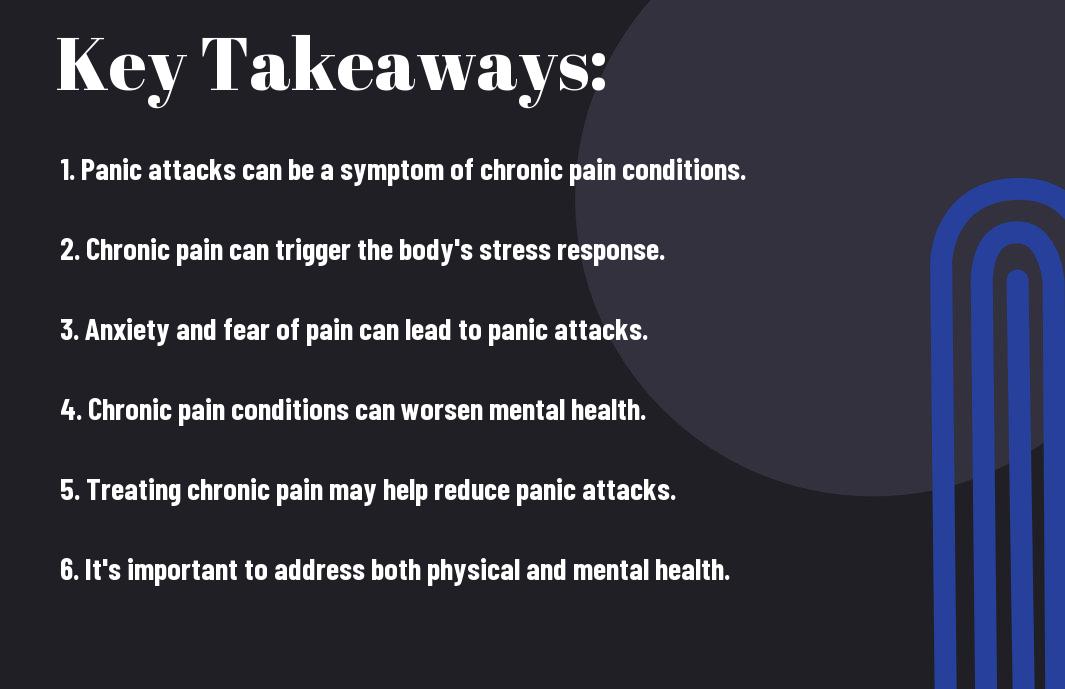
Key Takeaways:
- Chronic pain conditions can be associated with panic attacks as a symptom.
- Patients with chronic pain may experience anxiety and fear surrounding their condition, leading to panic responses.
- There is a strong bidirectional relationship between chronic pain and anxiety disorders, which can manifest as panic attacks.
- It is important for healthcare providers to address and treat the mental health aspects of chronic pain in order to effectively manage both the physical and emotional symptoms.
- Therapies such as cognitive-behavioral therapy and mindfulness techniques may be helpful in managing anxiety and panic related to chronic pain.
- Patients with chronic pain should seek comprehensive care that addresses both their physical and mental health needs in order to improve overall well-being.
- Educating patients about the relationship between chronic pain and mental health issues can help them to identify and manage symptoms such as panic attacks more effectively.
Linking Panic Attacks to Chronic Pain
Some chronic pain conditions are closely linked to panic attacks. The experience of constant pain can trigger a range of emotional and cognitive responses, including anxiety and panic. Understanding the connection between chronic pain and panic attacks can help you manage your symptoms more effectively.
The Biological Connection
Chronic pain and panic attacks may have a biological connection. Your body's physiological response to pain can include increased heart rate, sweating, and hyperventilation, which are also symptoms of a panic attack. The constant sensation of pain can also create a state of hyperarousal in your nervous system, making you more susceptible to experiencing panic attacks.
Psychological and Emotional Factors
Psychological and emotional factors also play a significant role in the link between chronic pain and panic attacks. The stress and frustration of dealing with persistent pain can lead to feelings of helplessness, fear, and anxiety, which are common triggers for panic attacks. Additionally, coping with the limitations and uncertainties of chronic pain conditions can contribute to a sense of loss of control, further fueling anxiety and panic. Assume that addressing these psychological and emotional factors could help you manage both your chronic pain and panic attacks more effectively.
Diagnosis and Assessment
Lastly, diagnosis and assessment of chronic pain conditions and panic attacks are crucial in providing effective treatment for individuals experiencing both. Research has shown a strong association between chronic pain and panic disorder, indicating the importance of identifying and addressing these symptoms in patients. Studies such as Chronic pain in panic disorder have shed light on the connection between the two conditions, highlighting the need for comprehensive evaluation and management.
Identifying Symptoms of Chronic Pain and Panic Attacks
When assessing individuals for chronic pain conditions and panic attacks, it's essential to recognize the co-occurrence of symptoms. Chronic pain can often lead to feelings of anxiety and fear, triggering panic attacks in some cases. As a result, it's important for healthcare professionals to carefully evaluate the presence of physical pain, as well as the psychological symptoms associated with panic attacks. Understanding the interplay between these symptoms is vital in providing targeted interventions to manage both conditions effectively.
Tools and Techniques for Health Professionals
Health professionals have access to various tools and techniques that can aid in the diagnosis and assessment of chronic pain and panic attacks. Clinical assessments, such as the use of standardized questionnaires and scales, can help in evaluating the severity of both conditions. Additionally, advanced imaging techniques and diagnostic tests may be employed to identify the underlying physiological factors contributing to chronic pain. Incorporating a multidisciplinary approach, which may involve collaboration with mental health professionals, can further enhance the assessment process and improve treatment outcomes for individuals experiencing chronic pain and panic attacks.
You need to ensure that you prioritize the identification and assessment of symptoms related to chronic pain conditions and panic attacks, as this will guide the appropriate treatment and management strategies. By using comprehensive tools and techniques, you can gain a better understanding of the complex interplay between physical and psychological symptoms, ultimately leading to more effective interventions.
Managing and Treating Co-Occurring Conditions
Despite the challenges of dealing with both chronic pain and panic attacks, there are effective strategies for managing and treating these co-occurring conditions. If you are dealing with chronic pain and panic attacks, it's important to address both issues simultaneously in order to achieve the best outcomes for your overall well-being.
Medication and Therapies for Chronic Pain
When it comes to managing chronic pain, there are various medication and therapy options available to help you find relief. Your healthcare provider may recommend pain medication, physical therapy, or alternative treatments such as acupuncture or massage therapy. It's important to work with your healthcare team to find the right combination of treatments for your specific needs. Additionally, Chronic Pain can be a challenging condition to manage, but with the right support, you can find effective ways to alleviate your symptoms and improve your quality of life.
Strategies for Coping with Panic Attacks
Managing panic attacks requires a combination of strategies to help you cope with the intense feelings of fear and anxiety. Learning relaxation techniques, such as deep breathing and mindfulness meditation, can help you regain a sense of control when you feel a panic attack coming on. Additionally, working with a therapist to identify triggers and develop coping mechanisms can be beneficial. Remember, it's important to reach out for support when you are experiencing panic attacks, and there are effective treatments available to help you regain a sense of calm and stability.
Can panic attacks be a symptom of chronic pain conditions?
From above evidence, you can see that panic attacks can indeed be a symptom of chronic pain conditions. This is due to the physical and psychological toll that chronic pain can take on your body and mind. It is important to seek help if you are experiencing panic attacks or any mental health symptoms alongside your chronic pain, as addressing both aspects of your health is crucial for overall well-being. By working with healthcare professionals, you can develop a comprehensive treatment plan that addresses both your physical pain and mental health concerns. Remember, you are not alone in this journey, and seeking support is a proactive step towards managing your overall health.
FAQ
Q: Can panic attacks be a symptom of chronic pain conditions?
A: Yes, panic attacks can be a symptom of chronic pain conditions. Chronic pain can lead to anxiety and depression, which can in turn trigger panic attacks.
Q: What chronic pain conditions are commonly associated with panic attacks?
A: Chronic pain conditions such as fibromyalgia, arthritis, migraines, and back pain are commonly associated with panic attacks.
Q: How are panic attacks related to chronic pain conditions treated?
A: Treatment typically involves a combination of medication, therapy, and lifestyle changes. Managing the chronic pain itself is crucial in addressing the panic attacks.
Q: Can panic attacks worsen chronic pain symptoms?
A: Yes, panic attacks can exacerbate chronic pain symptoms by increasing muscle tension and stress levels, leading to more intense pain experiences.
Q: What are the signs that panic attacks may be linked to chronic pain?
A: Signs that panic attacks may be linked to chronic pain include heightened anxiety when experiencing pain, fear of engaging in activities that may trigger pain, and an inability to relax due to chronic pain symptoms.
Q: Can treating panic attacks also improve chronic pain symptoms?
A: Yes, addressing panic attacks through therapy and medication can lead to improved coping mechanisms and a reduction in the overall perception of pain in individuals with chronic pain conditions.
Q: Are there any lifestyle changes that can help manage panic attacks and chronic pain?
A: Yes, practicing stress-reducing techniques such as mindfulness, regular exercise, maintaining a healthy diet, and getting enough sleep can help manage both panic attacks and chronic pain symptoms.