
Experiencing panic attacks can have a profound impact on your role as a parent and the dynamics of your family. When you are struggling with panic attacks, it can be challenging to maintain a sense of control and stability in your household. Your ability to consistently care for your children and provide them with the support they need may be compromised. Additionally, the unpredictability of panic attacks can create a high-stress environment for your family, leading to tension and strained relationships. It is important to recognize the impact that panic attacks can have on your parenting and take steps to prioritize your mental health for the well-being of your family.
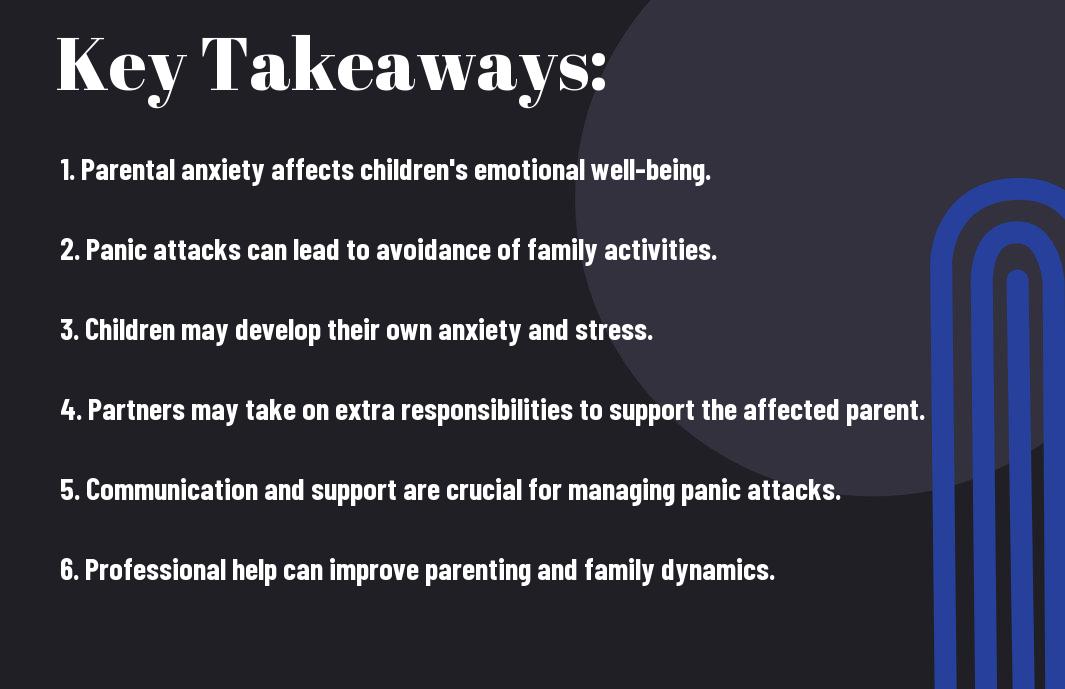
Key Takeaways:
- Panic attacks can disrupt daily routines: Parents may find it challenging to balance parenting responsibilities with managing their own panic attacks, leading to disruptions in daily routines for themselves and their family.
- Increased stress and anxiety: Family members may experience increased stress and anxiety due to witnessing the parent's panic attacks, leading to a tense family environment.
- Impact on children's well-being: Children may experience heightened anxiety and uncertainty when witnessing a parent's panic attacks, impacting their emotional well-being and sense of security.
- Role modeling of coping mechanisms: Parents with panic attacks can positively influence their children by demonstrating healthy coping mechanisms and seeking professional help, showing that it's okay to prioritize self-care.
- Reduced quality time and engagement: Panic attacks can lead to a decreased capacity for the parent to engage in family activities, reducing overall quality time and bonding with their children.
- Communication challenges: Family members may struggle with open communication about the parent's panic attacks, leading to misunderstandings and barriers to support within the family unit.
- Seeking professional help is essential: Proactively seeking professional help and therapy can positively impact both the parent's ability to manage panic attacks and the overall family dynamic, promoting healthier coping strategies and improved family functioning.
Characteristics of Panic Attacks and Their Impact on Parenting
While panic attacks can occur in a variety of situations, they can have a particularly profound impact on your parenting and family life. The intense fear and physical symptoms associated with panic attacks can make it difficult for you to fulfill your role as a parent, leading to significant disruptions in family dynamics and relationships. Understanding the characteristics of panic attacks and their impact on parenting is essential for managing your condition and minimizing the effects on your family.
Symptoms of Panic Attacks
Panic attacks are characterized by sudden and intense feelings of fear and anxiety, often accompanied by physical symptoms such as rapid heart rate, sweating, trembling, and shortness of breath. During a panic attack, you may experience a sense of impending doom or a feeling of being out of control. These symptoms can be overwhelming and can significantly impact your ability to attend to your children's needs and maintain a calm and supportive presence in the household.
The Immediate Effects on Parent-Child Interactions
When experiencing a panic attack, you may find it challenging to engage with your children in a patient and nurturing manner. The intense emotions and physical sensations can lead to irritability, agitation, and difficulty concentrating, making it hard for you to provide the emotional and practical support your children require. This can lead to strained parent-child interactions, with potential consequences for your children's emotional well-being and behavior.

Long-Term Effects on Family Dynamics
However, the impact of panic attacks on family dynamics can extend well beyond the immediate crisis. Over time, the ongoing presence of anxiety and panic can significantly alter the emotional climate of your household and disrupt traditional parental roles and responsibilities.Emotional Climate of the Household
Living with someone who experiences panic attacks can create a consistently anxious and tense environment for everyone in the household. Your children may feel uncertain and insecure as they witness your struggles with panic, which can lead to them taking on the role of a caretaker at a young age. This can result in a loss of childhood innocence and a disruption of the natural parent-child dynamic. Additionally, your partner may become overwhelmed with the emotional labor of supporting you and maintaining a stable, reassuring atmosphere for the family.Parental Roles and Responsibilities
As a parent experiencing panic attacks, you may find yourself unable to fulfill traditional parenting roles and responsibilities. The unpredictability of panic attacks can lead to inconsistencies in caregiving and a lack of emotional availability for your children. This can create feelings of guilt and shame as you struggle to meet the needs of your family while managing your anxiety. Your partner may also take on additional burdens as they work to compensate for the impact of your panic attacks on the family dynamic, potentially leading to resentment and burnout over time. Overall, the long-term effects of panic attacks on family dynamics can strain relationships and significantly impact the emotional well-being of everyone involved. It's important to seek support and resources to address these challenges and work towards creating a healthier, more stable family environment.Coping Strategies for Parents with Panic Disorders
Now, if you are a parent dealing with panic attacks, it's important to develop coping strategies to help manage your condition while still fulfilling your role as a caregiver. One effective way to cope is to educate yourself about panic disorders and how they can impact your daily life and parenting responsibilities. Consider seeking information from reputable sources such as Phobias, panic attacks and post-traumatic stress in children to better understand the potential effects on your children and family dynamic.
Professional Treatment and Therapy
Seeking professional treatment and therapy for your panic disorder is crucial in managing your symptoms and improving your overall well-being. Consult with a mental health professional who can provide you with the appropriate therapy, such as cognitive-behavioral therapy (CBT) or medication, to help you effectively cope with panic attacks. It's important to prioritize your mental health so that you can continue to be present for your family and provide them with the care they need.
Support Systems and Family Involvement
Having a strong support system and involving your family in your journey to manage panic attacks can significantly impact your ability to cope with this condition. Communicate openly with your loved ones about your struggles and the support you need. Encourage your family to learn about panic disorders and how they can best support you during times of distress. By fostering a supportive environment at home, you can reduce the impact of panic attacks on you and your family.

Moving Forward as a Family
Lastly, it's important to remember that you are not alone in this journey. With the right support and strategies, you can help your family move forward and thrive despite panic attacks affecting your parenting and family life. It's important to educate yourself and your family about panic attacks, especially if your child is experiencing them. You can find valuable resources and information about panic attacks in children in this helpful article on Panic Attacks in Children: Symptoms, Causes, & Treatment.
Education and Communication
One of the most important things you can do as a parent is to educate yourself about panic attacks and communicate openly with your children about their experiences. Understanding the symptoms, causes, and treatment options for panic attacks can help you provide the support and guidance your child needs. Encourage open communication in your family, and create a safe space for your child to express their feelings and experiences. By keeping the lines of communication open, you can also address any concerns or fears your child may have about their panic attacks.
Building Resilience and Strengthening Relationships
Building resilience in both you and your family can also help you navigate the challenges of parenting while dealing with panic attacks. Remember that seeking professional help, such as therapy or counseling, can provide you with the tools and support needed to build resilience and cope with the impact of panic attacks on your family life. Additionally, taking steps to strengthen family relationships, such as spending quality time together and engaging in activities that promote bonding, can help create a supportive environment for everyone involved. By acknowledging and addressing the challenges head-on, you can foster resilience and create a positive, supportive family dynamic despite the impact of panic attacks.
Conclusion
Drawing together the various ways in which panic attacks affect parenting and family life, it is evident that these episodes can significantly disrupt your ability to care for and support your children and family. The stress and anxiety that come with panic attacks can lead to strained relationships, decreased quality of parenting, and difficulty in maintaining a sense of stability and security within your home. Additionally, the unpredictability and intensity of panic attacks can create a sense of fear and uncertainty for your children, impacting their own emotional well-being. It is important to seek professional help and develop coping strategies to manage your panic attacks in order to minimize their impact on your parenting and family life.
FAQ
Q: How do panic attacks affect parenting and family life?
A: Panic attacks can significantly impact parenting and family life. They can cause stress and fear, leading to difficulties in providing emotional support and stability for children and other family members.
Q: What are the symptoms of panic attacks?
A: Symptoms of panic attacks may include intense fear or discomfort, rapid heartbeat, sweating, shaking, shortness of breath, chest pain, nausea, and dizziness.
Q: How can panic attacks affect a parent's ability to care for their children?
A: Panic attacks can make it difficult for a parent to maintain a consistent routine, provide emotional support, and participate in activities with their children. The fear and anxiety associated with panic attacks can also impact the parent-child relationship.
Q: What impact can panic attacks have on family dynamics?
A: Panic attacks can lead to strained relationships, misunderstandings, and conflicts within the family. Family members may feel burdened by the need to support the individual experiencing panic attacks, leading to feelings of frustration and helplessness.
Q: How can parents manage panic attacks while still being there for their children?
A: It's important for parents to seek professional help to manage their panic attacks. Therapy and medication can help to reduce the frequency and severity of panic attacks, allowing parents to be more emotionally available and present for their children.
Q: What can family members do to support a parent experiencing panic attacks?
A: Family members can offer understanding, patience, and emotional support to the parent experiencing panic attacks. It's important for them to educate themselves about panic attacks and to communicate openly with each other about their feelings and needs.
Q: Are there any resources available for families impacted by panic attacks?
A: Yes, there are support groups, online forums, and counseling services available for families impacted by panic attacks. Seeking out these resources can provide valuable guidance and emotional support for both parents and children.