
Do you often find yourself overwhelmed with financial anxiety, feeling stressed and frustrated about your financial situation? It's important to recognize that these feelings are valid, but they don't have to control your life. In this blog post, we will discuss some emotional strategies that can help you overcome your financial anxiety and take control of your emotions. By implementing these strategies, you can reduce your stress levels, make better financial decisions, and ultimately improve your overall well-being.
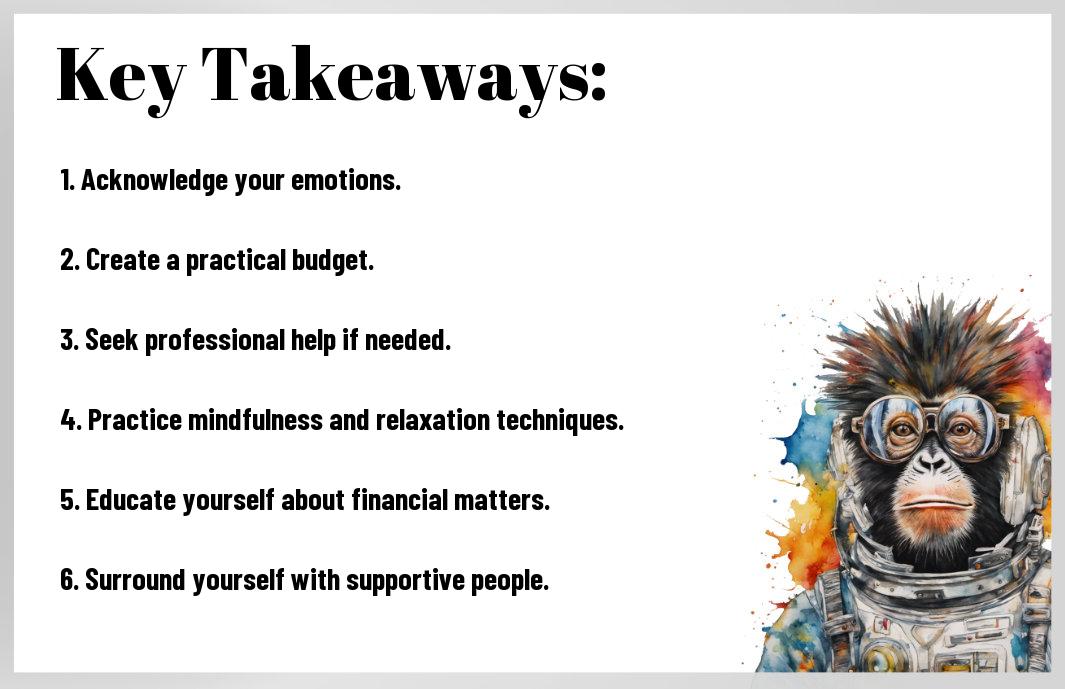
Key Takeaways:
- Understand your triggers: Recognize the situations or thoughts that cause financial anxiety to arise in order to address them effectively.
- Practice mindfulness: Being present and aware of your emotions can help manage and alleviate financial anxiety.
- Seek support: Surround yourself with a support system of friends, family, or professionals who can provide guidance and reassurance.
- Create a budget: Establishing a clear financial plan and sticking to it can alleviate stress and uncertainty about money management.
- Focus on what you can control: Shift your mindset to concentrate on actionable steps you can take to improve your financial situation.
- Develop healthy coping mechanisms: Engage in activities that promote relaxation and stress relief, such as exercise or meditation, to combat financial anxiety.
- Seek professional help: Consider seeking the assistance of a therapist or financial advisor to develop personalized strategies for dealing with financial anxiety.
Identifying Triggers and Symptoms
Any emotional strategy for overcoming financial anxiety starts with identifying the triggers and symptoms that are causing your distress. By understanding the specific issues that are leading to your anxiety, you can develop effective coping mechanisms to manage them. This chapter will help you recognize the triggers and symptoms of financial anxiety so that you can take proactive steps to address them.
Recognizing Personal Financial Triggers
When it comes to identifying your personal financial triggers, it's important to pay attention to the situations or events that cause you to feel anxious or stressed about your finances. This could be anything from overspending on impulse purchases, to receiving bills in the mail, or even discussing money with your partner. Recognizing these triggers will allow you to anticipate and prepare for moments that may provoke anxiety, and help you develop healthier habits and coping mechanisms to address them.
Common Symptoms of Financial Anxiety
Financial anxiety can manifest itself in a variety of ways, and it's important to recognize the common symptoms in order to take action. You may experience physical symptoms such as headaches, muscle tension, or difficulty sleeping. On an emotional level, you may feel overwhelmed, irritable, or hopeless about your financial situation. Additionally, you might notice behavioral changes such as avoiding financial tasks, turning to unhealthy coping mechanisms like retail therapy, or withdrawing from social activities due to financial concerns. Identifying these symptoms can help you address them and develop strategies to manage your anxiety effectively.
Emotional Coping Strategies
Unlike traditional financial advice, which focuses primarily on practical steps to improve your financial situation, emotional coping strategies address the anxiety and stress you may be feeling as a result of financial concerns. These strategies can help you to manage your emotions and mental health, allowing you to approach your financial challenges with a clearer mind and a more positive outlook. For more in-depth information on coping with financial stress, you can refer to this resource on Coping with Financial Stress.
Mindfulness and Stress Reduction
Practicing mindfulness and stress reduction techniques can be incredibly beneficial for managing financial anxiety. Activities such as meditation, deep breathing exercises, and yoga can help to calm your mind and ground you in the present moment. By focusing on your breath and your senses, you can reduce the impact of worrying thoughts and approach financial challenges with a clearer, more balanced perspective. Taking time for regular mindfulness practices can help you to build resilience and cope with financial stress more effectively.
Cognitive Behavioral Techniques
Cognitive behavioral techniques involve identifying and changing negative thought patterns that contribute to financial anxiety. By challenging irrational beliefs and replacing them with more realistic and positive thoughts, you can reframe your mindset and reduce the impact of financial stress on your emotional well-being. By acknowledging and addressing your fears and concerns, you can regain a sense of control over your emotions and your financial situation. Practicing these techniques can help you to develop a more resilient mindset and foster a more positive relationship with your finances.

Practical Financial Management
To effectively overcome financial anxiety, it's important to adopt practical financial management strategies. By taking control of your finances and implementing specific measures, you can reduce stress and gain a sense of empowerment in managing your money.
Creating a Budget and Savings Plan
One of the most important steps in managing your finances is creating a budget and savings plan. This involves tracking your income and expenses, and allocating a portion of your income to savings. By setting specific financial goals and creating a realistic budget, you can prioritize your spending and ensure that you are saving for the future. Creating a budget can help you identify areas where you may be overspending, and allow you to make necessary adjustments to your financial habits. Additionally, having a savings plan in place can provide a sense of security and peace of mind, knowing that you have a financial safety net in case of unexpected expenses.
Seeking Professional Financial Advice
When dealing with financial anxiety, seeking professional financial advice can be invaluable. A financial advisor can provide personalized guidance and expertise to help you make informed decisions about your finances. They can offer valuable insights and strategies for managing debt, investing, and planning for retirement. By working with a professional, you can gain a better understanding of your financial situation and develop a clear roadmap for reaching your financial goals. Whether you need help with budgeting, debt management, or investment planning, seeking professional financial advice can provide you with the support and reassurance you need to overcome financial anxiety.
Building Resilience and Confidence
After acknowledging and managing your emotions, the next step in overcoming financial anxiety is to build resilience and confidence. This involves developing the ability to bounce back from setbacks and gradually increasing your belief in your ability to handle financial challenges. Building resilience and confidence requires a combination of mindset shifts, practical strategies, and consistent effort.
Celebrating Small Financial Milestones
One way to build resilience and confidence is by celebrating small financial milestones. It's important to acknowledge and celebrate the progress you make, no matter how small it may seem. Whether it's sticking to your budget for a month, paying off a small debt, or contributing a little extra to your savings, these are all significant achievements that deserve recognition. By celebrating these small wins, you can boost your confidence and motivation to continue working towards your financial goals.
Developing a Positive Financial Mindset
Another key aspect of building resilience and confidence is developing a positive financial mindset. This means shifting your perspective on money from one of scarcity and fear to one of abundance and opportunity. Instead of dwelling on past financial mistakes or worrying about the future, focus on the present moment and the actions you can take to improve your financial situation. Cultivating a positive financial mindset can help you overcome self-doubt and develop the belief that you have the power to create a more secure and fulfilling financial future.
FAQ
Q: What are emotional strategies for overcoming financial anxiety?
A: Emotional strategies for overcoming financial anxiety include mindfulness, identifying and challenging negative thoughts, seeking support from loved ones or a therapist, and practicing self-care activities.
Q: How can mindfulness help with financial anxiety?
A: Mindfulness can help with financial anxiety by allowing individuals to stay present in the moment, rather than worrying about the future. It helps individuals to acknowledge their emotions without judgment and reduces stress and anxiety.
Q: Why is it important to identify and challenge negative thoughts when dealing with financial anxiety?
A: It is important to identify and challenge negative thoughts because they can perpetuate financial anxiety. By recognizing and reframing these thoughts, individuals can change their perspective and reduce their anxiety levels.
Q: How can seeking support from loved ones or a therapist be beneficial for overcoming financial anxiety?
A: Seeking support from loved ones or a therapist provides individuals with a safe space to express their concerns and fears about their financial situation. It also allows them to receive guidance and feedback on how to cope with their anxiety.
Q: What are some self-care activities that can help individuals overcome financial anxiety?
A: Some self-care activities that can help individuals overcome financial anxiety include exercise, meditation, spending time with loved ones, engaging in hobbies, and getting enough sleep. These activities can help reduce stress and improve overall mental well-being.