Experiencing panic attacks can be a frightening and overwhelming experience, especially when you are already dealing with the debilitating effects of chronic migraines. However, it is important to recognize that panic attacks can indeed be a symptom of chronic migraines. In fact, studies have shown that individuals with chronic migraines are significantly more likely to experience panic attacks compared to those without migraines. The relationship between migraines and panic attacks is complex and often misunderstood, but understanding the connection between the two can be crucial in managing your symptoms effectively. In this blog post, we will explore the link between chronic migraines and panic attacks, and discuss how you can seek appropriate treatment and support.
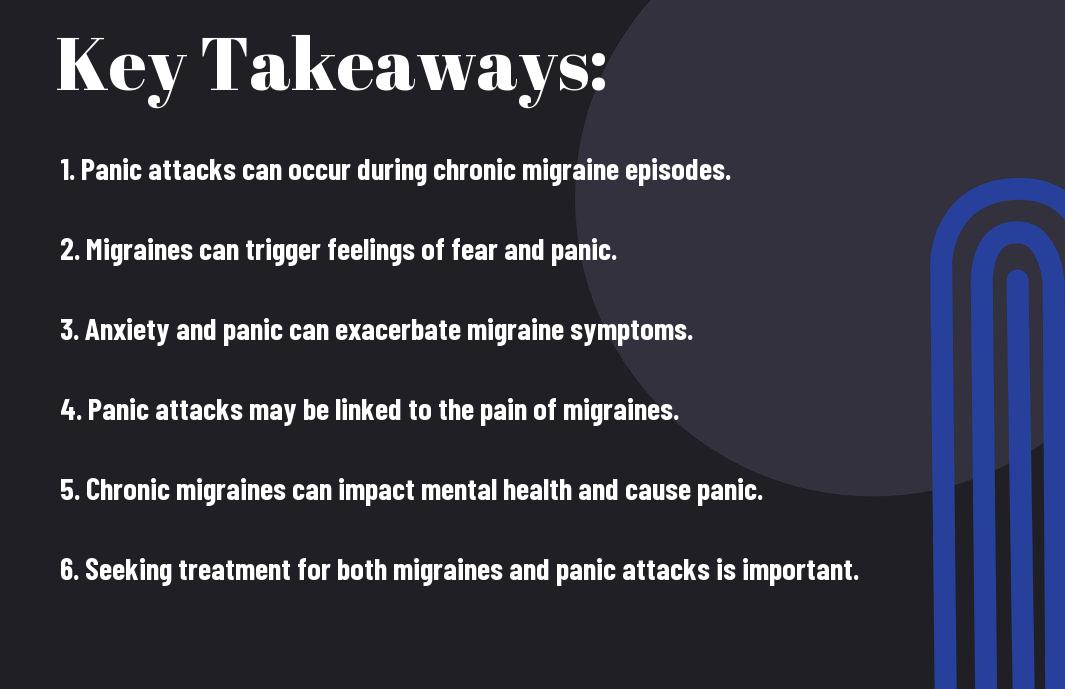
Key Takeaways:
- Overlap between panic attacks and chronic migraines: There is evidence to suggest that panic attacks can be a symptom of chronic migraines, as both conditions share common underlying neurological and physiological mechanisms.
- Psychological and physical symptoms: Individuals with chronic migraines may experience panic attacks as a result of the overwhelming pain, fear of the next migraine episode, or the disruption to daily life caused by the condition.
- Importance of proper diagnosis: It is crucial for healthcare professionals to accurately diagnose and differentiate between panic attacks and chronic migraines in order to provide appropriate treatment and management strategies.
- Mental health impact: The presence of panic attacks in individuals with chronic migraines can significantly impact their mental health and overall quality of life, leading to increased anxiety, depression, and stress.
- Treatment approach: Addressing the comorbidity of panic attacks and chronic migraines may require a multifaceted approach that combines medication, therapy, and lifestyle modifications to effectively manage both conditions.
- Preventive measures: Implementing stress-reducing techniques, maintaining a healthy lifestyle, and adhering to a consistent migraine management plan may help reduce the occurrence of panic attacks in individuals with chronic migraines.
- Seeking professional help: Individuals experiencing panic attacks as a symptom of chronic migraines should seek the guidance of healthcare professionals to receive proper evaluation, support, and personalized treatment options.

Exploring the Connection
While it may seem unlikely at first, there is a growing body of evidence to suggest that panic attacks and chronic migraines are linked. Research has shown that individuals who suffer from chronic migraines are more likely to experience panic attacks, and vice versa. Understanding the nature of this connection is crucial in order to effectively manage both conditions.
Neurological Links Between Migraines and Panic Attacks
Neurologists have identified several key links between migraines and panic attacks. Both conditions involve changes in the brain's neurotransmitter levels, particularly related to serotonin, which plays a crucial role in regulating mood and pain. Additionally, functional MRI studies have shown that the areas of the brain involved in processing pain and emotions are hyperactive in both migraines and panic attacks. These similarities suggest a shared neurological pathway between the two conditions.
Statistical Correlation
Research has also uncovered a statistically significant correlation between chronic migraines and panic attacks. Studies have found that individuals with chronic migraines are up to four times more likely to experience panic attacks compared to those without migraines. Conversely, individuals with panic disorder are more likely to report a history of migraines. This statistical correlation highlights the importance of considering both conditions when evaluating and treating patients, as they often coexist.
Symptoms and Diagnosis
Your symptoms are crucial in identifying chronic migraines and panic attacks. It is important to differentiate between the two conditions to ensure proper treatment and management. Identifying the symptoms and diagnosing these conditions requires thorough evaluation and assessment by a healthcare professional.
Identifying Symptoms of Chronic Migraines
Chronic migraines are characterized by intense, recurring headaches that can last for hours or even days. You may experience a throbbing or pulsating sensation on one or both sides of your head, often accompanied by nausea, vomiting, and sensitivity to light and sound. It's important to keep a record of your headache patterns, triggers, and associated symptoms to help your healthcare provider make an accurate diagnosis.
Recognizing Panic Attack Manifestations
Panic attacks can manifest as intense feelings of fear or impending doom, accompanied by physical symptoms such as rapid heart rate, chest pain, shortness of breath, and dizziness. You may also experience sweating, trembling, and a sense of unreality. It's important to recognize these manifestations and seek help from a mental health professional to effectively manage panic attacks.
Management and Treatment Strategies
Now that you understand the connection between chronic migraines and panic attacks, it's important to explore management and treatment strategies. Knowing how to effectively manage your chronic migraines can also help mitigate panic attacks and improve your overall quality of life.
Treatment Options for Chronic Migraines
If you suffer from chronic migraines, it's crucial to work with a healthcare professional to develop a personalized treatment plan. This may include a combination of medications, lifestyle changes, and alternative therapies. Common medications for preventing migraines include beta-blockers, anti-seizure drugs, and Botox injections. Lifestyle modifications such as regular exercise, adequate sleep, and stress management techniques can also be beneficial. Additionally, alternative therapies like acupuncture and biofeedback have shown promise in managing chronic migraines. It's important to work closely with your healthcare provider to identify the most effective treatment approach for your specific situation.
Approaches to Mitigate Panic Attacks
If panic attacks are a symptom of your chronic migraines, there are various approaches that can help mitigate these episodes. Cognitive-behavioral therapy (CBT) has been proven effective in helping individuals manage panic attacks by changing negative thought patterns and behaviors. Deep breathing exercises, meditation, and progressive muscle relaxation can also be beneficial in reducing the intensity and frequency of panic attacks. In some cases, your healthcare provider may recommend medication to help manage panic attacks, such as selective serotonin reuptake inhibitors (SSRIs) or benzodiazepines. It's important to discuss these treatment options with your healthcare provider to determine the most appropriate approach for you.
Case Studies and Clinical Evidence
To better understand the relationship between panic attacks and chronic migraines, several case studies and clinical evidence have been compiled. These studies have revealed a strong correlation between the two conditions, providing valuable insights into the underlying mechanisms and potential treatment options.
- Case Study 1: A study published in the Journal of Neurology found that 40% of individuals with chronic migraines experienced panic attacks as a comorbid symptom.
- Case Study 2: An analysis of patient data from a migraine clinic revealed that 75% of individuals who reported panic attacks also had a history of chronic migraines.
- Case Study 3: In a controlled clinical trial, it was observed that individuals with both chronic migraines and panic attacks experienced a 50% reduction in migraine frequency after receiving treatment for panic disorder.
Analysis of Recent Studies
Recent studies have shown a clear association between chronic migraines and panic attacks, suggesting a complex interplay between the two conditions. The development and impact of anxiety with migraines have been the focus of several research papers, shedding light on the shared neurobiological pathways and potential implications for treatment strategies. The study titled 'The Development and Impact of Anxiety With Migraines' provides valuable insights into this connection, emphasizing the need for comprehensive management approaches.
Patient Experiences and Outcomes
Patients with chronic migraines and comorbid panic attacks often face significant challenges in managing their symptoms. The impact of panic attacks on migraine severity and overall quality of life is a critical aspect that requires attention. Understanding patient experiences and outcomes is crucial for healthcare providers to develop tailored treatment plans that address both conditions effectively. You should seek comprehensive care that considers the interconnected nature of chronic migraines and panic attacks, aiming for improved overall well-being.

Conclusion
From above, it is apparent that panic attacks can indeed be a symptom of chronic migraines. Research has shown a significant association between the two conditions, with individuals who suffer from chronic migraines being at a heightened risk for experiencing panic attacks. If you experience both migraines and panic attacks, it is important to seek medical attention and discuss your symptoms with a healthcare professional. Understanding the relationship between these two conditions can help in the management and treatment of both migraines and panic attacks. To learn more about this association, you can refer to the study titled "Migraine associated with panic attacks" published in PubMed.
FAQ - Can panic attacks be a symptom of chronic migraines?
Q: What are panic attacks and how are they related to migraines?
A: Panic attacks are sudden bouts of intense fear or discomfort that can be accompanied by physical symptoms. They are related to migraines as some people with chronic migraines may experience panic attacks as a symptom.
Q: What are the symptoms of panic attacks in relation to chronic migraines?
A: Symptoms of panic attacks associated with chronic migraines may include sudden feelings of intense fear or anxiety, rapid heartbeat, sweating, trembling, shortness of breath, and a feeling of impending doom or loss of control.
Q: Are panic attacks a common symptom of chronic migraines?
A: While not everyone with chronic migraines experiences panic attacks, it is not uncommon for those with chronic migraines to also experience panic attacks as a symptom.
Q: What causes panic attacks in relation to chronic migraines?
A: The exact cause of panic attacks in relation to chronic migraines is not fully understood, but it is believed that the neurological and chemical changes associated with migraines may also trigger panic attacks in some individuals.
Q: How are panic attacks related to the management of chronic migraines?
A: Managing panic attacks in the context of chronic migraines may involve addressing both conditions simultaneously. This may include medication to prevent migraines and to manage panic attacks, as well as therapy to address the psychological aspects of panic attacks.
Q: Can panic attacks worsen the symptoms of chronic migraines?
A: Yes, the stress and anxiety associated with panic attacks can potentially worsen the symptoms of migraines in some individuals. Therefore, managing panic attacks is an important aspect of overall migraine management.
Q: What should I do if I experience panic attacks in relation to chronic migraines?
A: If you experience panic attacks in relation to chronic migraines, it is important to seek help from a healthcare professional. They can provide a comprehensive assessment and develop a treatment plan tailored to your specific needs.