
Do you often find yourself overwhelmed by panic attacks that seem to come out of nowhere? If so, you're not alone. Panic attacks can be terrifying and debilitating, leading to a sense of impending doom and an inability to function normally. However, hypnotherapy can play a crucial role in helping you manage and overcome these intense episodes of fear and anxiety. In this blog post, we will explore the benefits of hypnotherapy in effectively treating panic attacks and regaining control over your mental and emotional well-being. For more information on using hypnotherapy to take control of panic attacks and anxiety, you can visit Using Hypnotherapy to Take Control of Panic Attacks and ....
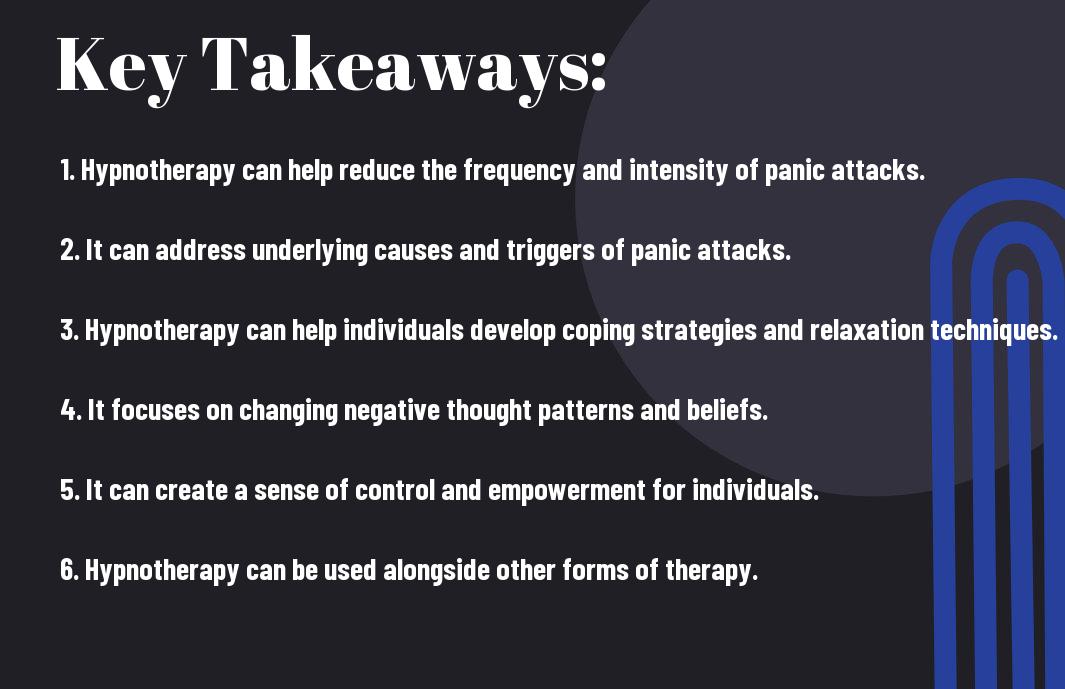
Key Takeaways:
- Hypnotherapy can help manage panic attacks by addressing the underlying triggers and providing coping mechanisms.
- It allows individuals to access their subconscious mind and reframe negative thought patterns and reactions that contribute to panic attacks.
- Hypnotherapy can reduce symptoms such as rapid heartbeat, shortness of breath, and overwhelming fear associated with panic attacks.
- It promotes relaxation and a sense of calmness through techniques like deep breathing, visualization, and progressive muscle relaxation.
- Hypnotherapy can be used in conjunction with other therapies such as cognitive-behavioral therapy to enhance the effectiveness of panic attack management.
- It empowers individuals to take control of their responses to panic attacks and build resilience to future episodes.
- Consistent hypnotherapy sessions can lead to long-term relief from panic attacks by addressing deep-rooted psychological factors contributing to the condition.
Understanding Hypnotherapy
One of the key elements to managing panic attacks through hypnotherapy is understanding what hypnotherapy actually is and how it works. Hypnotherapy is a type of complementary therapy that uses hypnosis, a trance-like state, to help you relax and focus your mind. During hypnosis, your body and mind are in a state of deep relaxation, allowing you to be more open to suggestions and imagery that can help you make positive changes in your thought patterns and behavior.
Historical Background
Hypnotherapy has been used for centuries as a healing technique, with evidence of its use dating back to ancient civilizations. However, it wasn't until the 18th century that hypnotherapy as we know it today began to take shape, with the work of Franz Mesmer and James Braid. Mesmer, known for his theory of "animal magnetism," is often considered the father of hypnosis, while Braid, a Scottish surgeon, coined the term "hypnotism" and is credited with establishing hypnosis as a legitimate therapeutic practice.
Mechanisms of Hypnotherapy
During a hypnotherapy session, your therapist will guide you into a state of deep relaxation through a series of relaxation techniques, such as deep breathing and visualization. Once you are in a relaxed state, your therapist may use verbal repetition and imagery to help you focus your mind and access your subconscious. This process can help you uncover and address the root causes of your panic attacks and anxiety, and reframe negative thought patterns into positive ones. Additionally, hypnotherapy can help you develop coping mechanisms and relaxation techniques that you can use in your everyday life to manage stress and anxiety.
Hypnotherapy and Panic Attacks
Now, let's talk about how hypnotherapy can play a crucial role in managing panic attacks. Hypnotherapy is a type of complementary therapy that uses guided relaxation, intense concentration, and focused attention to achieve a heightened state of awareness. It is often utilized as a tool to address and manage a variety of mental health issues, including panic attacks. If you are interested in learning more about the relationship between hypnotherapy and anxiety recovery, you can listen to Episode 232 of The Anxious Truth podcast, titled 'Hypnosis And Anxiety Recovery - Ep 232'.How Hypnotherapy Addresses Panic Attacks
Hypnotherapy can address panic attacks by targeting the root causes of your anxiety. In a hypnotic state, your mind becomes more open to suggestion, allowing a qualified hypnotherapist to work with you to identify and reframe negative thought patterns that contribute to your panic attacks. By addressing the underlying beliefs and triggers that fuel your panic attacks, hypnotherapy can help you develop a more positive and relaxed mindset, ultimately reducing the frequency and intensity of your panic attacks.Techniques and Strategies in Hypnotherapy
During hypnotherapy sessions targeted at panic attacks, your hypnotherapist may use a variety of techniques and strategies to help you manage your symptoms. These may include visual imagery, progressive muscle relaxation, and positive affirmations, all designed to instill a sense of calm and control. With the guidance of your hypnotherapist, you can learn ways to manage your panic attacks and develop coping mechanisms to use when you feel overwhelmed. The goal is to empower you to take control of your thoughts and emotions, reducing the impact of panic attacks on your daily life. In summary, hypnotherapy can be a powerful tool in managing panic attacks by addressing the root causes of your anxiety and equipping you with techniques to cope with and reduce the frequency of panic attacks. With the guidance of a qualified hypnotherapist, you can tap into the potential of your subconscious mind, ultimately leading to a greater sense of calm and control in the face of panic attacks. Remember, hypnotherapy is not a quick fix, but with dedication and practice, it can be a valuable part of your overall approach to managing panic attacks.Efficacy and Research
To gain a better understanding of how hypnotherapy can be effective in managing panic attacks, let's delve into some research and clinical studies. For more information on hypnotherapy for anxiety, you can also check out this insightful article Hypnotherapy for Anxiety - Your Questions Answered!
Clinical Studies on Hypnotherapy for Panic Attacks
Several clinical studies have demonstrated the efficacy of hypnotherapy in reducing the frequency and severity of panic attacks. One study published in the American Journal of Clinical Hypnosis found that individuals who received hypnotherapy experienced a significant decrease in the frequency of panic attacks compared to those who did not receive hypnotherapy. This suggests that hypnotherapy can be a valuable tool in managing panic attacks.
Comparisons with Other Treatments
When comparing hypnotherapy with other treatments for panic attacks, it's important to consider several factors. Here's a comparison of the efficacy, side effects, and long-term benefits of hypnotherapy compared to other treatments:
| Factor | Hypnotherapy |
| Efficacy | Several studies have shown strong evidence for the efficacy of hypnotherapy in managing panic attacks |
| Side Effects | Hypnotherapy is generally well-tolerated with minimal side effects |
| Long-term Benefits | Hypnotherapy can provide long-term relief from panic attacks with continued practice and reinforcement of techniques |
When considering your options for managing panic attacks, it's essential to weigh the benefits and potential drawbacks of each treatment.

Implementing Hypnotherapy in Practice
After deciding to pursue hypnotherapy as a potential treatment for your panic attacks, the next step is to actually find a qualified hypnotherapist and prepare for your hypnotherapy sessions. These are crucial steps in ensuring that you receive the most effective and safe treatment possible, so it's important to approach them with care and thorough consideration.
Finding a Qualified Hypnotherapist
When looking for a hypnotherapist to work with, it's essential to find someone who is not only certified in hypnotherapy, but also has experience in treating panic attacks specifically. You want to ensure that you are working with a professional who understands the complexities of panic attacks and has a proven track record of helping clients manage and overcome them. Additionally, make sure to look for a hypnotherapist who makes you feel comfortable and respected, as a strong therapeutic alliance is crucial for the success of your treatment.
Preparing for a Hypnotherapy Session
Before your first hypnotherapy session, it's important to set aside some time to prepare yourself mentally and emotionally. This may involve identifying your specific panic attack triggers and symptoms, as well as setting clear goals and expectations for what you hope to achieve through hypnotherapy. Additionally, make sure to communicate openly and honestly with your hypnotherapist about your concerns, fears, and any past experiences that may impact your treatment. This will allow your hypnotherapist to tailor the treatment to your individual needs and provide you with the most personalized care possible.

Conclusion
On the whole, hypnotherapy can play a crucial role in managing panic attacks by addressing the underlying causes and triggers of the anxiety. By utilizing relaxation techniques, visualization, and reframing negative thought patterns, hypnotherapy can help you gain control over your symptoms and reduce the frequency and intensity of panic attacks. It can also empower you to develop coping strategies and self-soothing techniques to use during episodes of anxiety. Additionally, hypnotherapy can assist you in building resilience and increasing your overall sense of calm and well-being, leading to long-term relief from panic attacks.
FAQ
Q: What is hypnotherapy and how does it work in managing panic attacks?
A: Hypnotherapy is a form of therapy that uses guided relaxation, intense concentration, and focused attention to achieve a heightened state of awareness, commonly referred to as a trance. In managing panic attacks, hypnotherapy helps individuals access and address the subconscious thoughts and beliefs that contribute to their panic attacks.
Q: Can hypnotherapy effectively reduce or eliminate panic attacks?
A: Hypnotherapy has been shown to be effective in reducing the frequency and intensity of panic attacks for many people. It helps individuals identify and address the root causes of their panic attacks, leading to long-term symptom relief.
Q: What techniques are commonly used in hypnotherapy to address panic attacks?
A: Common techniques used in hypnotherapy to address panic attacks include guided imagery, relaxation techniques, and suggestion therapy. These techniques help individuals reframe their thoughts and responses to panic triggers, leading to a decrease in panic attack symptoms.
Q: Is hypnotherapy safe for managing panic attacks?
A: When conducted by a qualified and experienced hypnotherapist, hypnotherapy is considered to be a safe and non-invasive approach for managing panic attacks. It is important to seek out a reputable and licensed professional to ensure the safety and effectiveness of the treatment.
Q: How many hypnotherapy sessions are typically needed to see results in managing panic attacks?
A: The number of hypnotherapy sessions needed to see results in managing panic attacks can vary depending on the individual and the severity of their symptoms. In general, many people experience relief after 6-12 sessions, but some may require more or fewer sessions to achieve their desired outcomes.
Q: Can hypnotherapy be used in conjunction with other treatments for panic attacks?
A: Yes, hypnotherapy can be used in conjunction with other treatments for panic attacks, such as medication, cognitive-behavioral therapy, and relaxation techniques. It is often used as a complementary approach to enhance the effectiveness of other treatments and address the underlying psychological factors contributing to panic attacks.
Q: What should I look for in a hypnotherapist if I am considering hypnotherapy for managing panic attacks?
A: When considering hypnotherapy for managing panic attacks, it is important to seek out a licensed and experienced hypnotherapist with specialized training in treating anxiety and panic disorders. Look for professionals who have a good reputation, positive client testimonials, and a thorough understanding of the underlying causes of panic attacks. It is also crucial to ensure that the hypnotherapist follows ethical practices and maintains client confidentiality.