
Have you ever experienced panic attacks seemingly out of the blue, with no apparent trigger or cause? While panic attacks are often attributed to stress and anxiety, there is growing evidence to suggest that they could actually be a symptom of chronic digestive issues. In fact, research published in the Evidence of Overlapping Genetic Diathesis of Panic ... indicates that there may be a genetic link between panic disorder and certain digestive conditions. This information is crucial for anyone who experiences panic attacks, as it highlights the importance of addressing underlying digestive issues in order to effectively manage and reduce the occurrence of panic attacks.
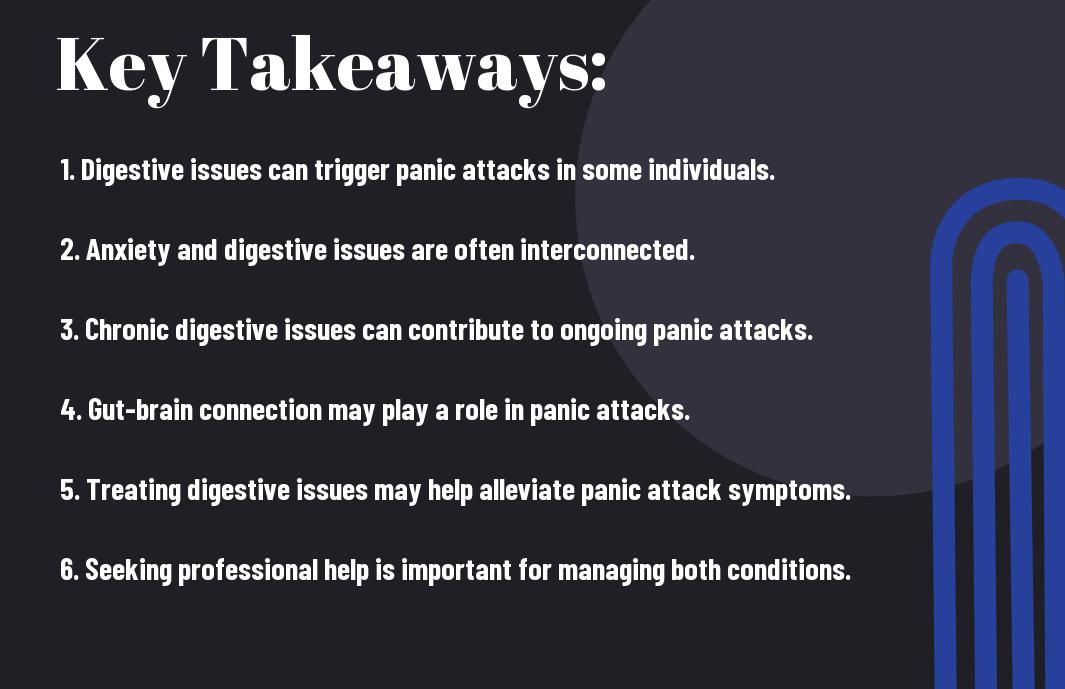
Key Takeaways:
- Panic attacks can be a symptom of chronic digestive issues. Research has shown a strong connection between anxiety and digestive disorders such as irritable bowel syndrome (IBS) and inflammatory bowel disease (IBD).
- Stress and anxiety can exacerbate digestive issues. The brain-gut axis plays a significant role in the relationship between mental health and digestive health, meaning that stress and anxiety can worsen symptoms of digestive disorders, leading to panic attacks.
- Reducing stress and managing anxiety can help alleviate digestive symptoms. Learning relaxation techniques and seeking therapy or counseling can help improve both mental and digestive health.
- Seeking medical help is crucial. If you experience panic attacks along with chronic digestive issues, it's important to seek medical advice from a healthcare professional to determine the cause and appropriate treatment plan.
- Diet and lifestyle changes can make a difference. Making adjustments to your diet, reducing caffeine and alcohol intake, and incorporating regular exercise can have a positive impact on both digestive and mental health.
- Medication may be necessary in some cases. Your healthcare provider may prescribe medication to help manage both your anxiety and digestive symptoms. It's important to follow their guidance and take medication as prescribed.
- Support and understanding are vital. Living with both panic attacks and chronic digestive issues can be challenging, but having a strong support system and seeking understanding from family, friends, and healthcare providers can make a significant difference in managing symptoms and improving overall well-being.
Exploring the Link Between Digestive Health and Anxiety
Obviously, you know that digestive issues can lead to physical discomfort and affect your nutrition absorption, but did you know that they can also have an impact on your mental health? Recent research suggests that the health of your gut may be closely linked to your anxiety levels. In this chapter, we will delve into the connection between your digestive system and your mental well-being.
The Role of the Gut-Brain Axis
When it comes to the relationship between your digestive health and anxiety, the gut-brain axis is a key factor to consider. This communication pathway involves the bidirectional signaling between the central nervous system and the enteric nervous system of the gut. Research has suggested that an imbalance in the gut flora, inflammation in the gut, or impaired gut barrier function can all impact this communication, potentially leading to an increase in anxiety and other mental health issues.
Studies and Findings on Digestive Issues and Panic Disorders
There have been numerous studies that have investigated the connection between digestive issues and panic disorders. These studies have found that individuals with chronic digestive issues are more likely to experience symptoms of anxiety and panic attacks. In particular, conditions such as irritable bowel syndrome (IBS) and inflammatory bowel disease (IBD) have been strongly associated with higher rates of anxiety disorders. Understanding this connection can have a significant impact on how these conditions are treated and managed, as addressing digestive health issues may also lead to improvements in mental well-being.

Common Chronic Digestive Conditions Associated with Anxiety
However, chronic digestive issues are not only uncomfortable physically, but they can also have a significant impact on your mental health and contribute to anxiety and panic attacks. Several digestive conditions are closely linked to anxiety, and understanding these connections is essential for effective management of both the digestive symptoms and the mental health challenges they can bring.
Irritable Bowel Syndrome (IBS) and Panic Attacks
One common chronic digestive condition associated with anxiety is Irritable Bowel Syndrome (IBS). IBS is a disorder that affects the large intestine and can cause a variety of symptoms, including abdominal pain, bloating, diarrhea, and constipation. These uncomfortable symptoms can lead to increased stress and anxiety, which may trigger panic attacks in some individuals. Research has shown a strong association between IBS and anxiety disorders, with individuals with IBS being more likely to experience panic attacks and other anxiety-related symptoms.
Gastroesophageal Reflux Disease (GERD) and Anxiety Symptoms
Gastroesophageal Reflux Disease (GERD) is another chronic digestive condition that can be associated with anxiety and panic attacks. GERD occurs when stomach acid frequently flows back into the esophagus, causing irritation and inflammation. In addition to the physical discomfort of GERD symptoms such as heartburn and regurgitation, the condition can also lead to anxiety-related symptoms. The chronic nature of GERD can contribute to a constant fear of experiencing symptoms, leading to heightened anxiety and potential panic attacks.
In summary, it's important to recognize the connection between chronic digestive issues and anxiety, as addressing both aspects is vital for comprehensive treatment. If you are experiencing digestive symptoms along with anxiety or panic attacks, it's essential to seek professional help to address both the physical and mental aspects of your health. Ignoring the link between digestive issues and anxiety can lead to ongoing discomfort and potentially serious mental health challenges. By seeking proper treatment and addressing both the digestive and anxiety symptoms, you can significantly improve your overall well-being and quality of life.Managing Symptoms Through Holistic Approaches
Despite the challenges of living with chronic digestive issues and the panic attacks they can trigger, there are holistic approaches that can help you manage your symptoms effectively. By taking a comprehensive approach that addresses both physical and psychological well-being, you can find relief and improve your quality of life.
Dietary Adjustments and Nutritional Considerations
When it comes to managing chronic digestive issues and panic attacks, making dietary adjustments and considering nutritional factors is crucial. Evaluating your diet and making changes to avoid trigger foods such as spicy, fatty, or acidic items can significantly reduce digestive discomfort and the likelihood of panic attacks. Additionally, incorporating more fiber-rich foods, probiotics, and staying hydrated can help promote better digestion and overall gut health. Working with a nutritionist or dietitian can provide personalized guidance and support tailored to your specific needs.
Psychological and Behavioral Interventions
Addressing the psychological and behavioral aspects of chronic digestive issues and panic attacks is essential for managing your symptoms. Stress-reducing techniques such as mindfulness meditation, deep breathing exercises, and yoga can help calm the mind and alleviate the psychological burden that often accompanies digestive discomfort. Additionally, cognitive-behavioral therapy (CBT) and relaxation training can be highly effective in addressing the anxiety and panic associated with digestive issues, providing you with coping mechanisms and strategies to manage and reduce your symptoms.

Conclusion
On the whole, panic attacks can indeed be a symptom of chronic digestive issues. If you have been experiencing panic attacks along with digestive problems, it is important to consult with a medical professional to address the underlying issues. By seeking medical help, you can receive an accurate diagnosis and appropriate treatment plan to manage both your digestive issues and accompanying panic attacks. Taking care of your digestive health is essential in promoting overall well-being and reducing the potential for experiencing further panic attacks. Remember, you are not alone in dealing with these symptoms, and seeking professional guidance is the first step in finding relief.
FAQ
Q: Can panic attacks be a symptom of chronic digestive issues?
A: Yes, panic attacks can be a symptom of chronic digestive issues. Digestive issues and mental health are closely linked, and the gut-brain connection can contribute to the development of panic attacks in individuals with chronic digestive problems.
Q: How are panic attacks related to digestive issues?
A: Chronic digestive issues such as irritable bowel syndrome (IBS) or inflammatory bowel disease (IBD) can trigger the body's stress response, leading to the development of anxiety and panic attacks.
Q: What are the common digestive issues that can lead to panic attacks?
A: Common digestive issues that may lead to panic attacks include IBS, IBD, acid reflux, and food intolerances. These conditions can cause physical discomfort and stress, which can exacerbate anxiety and panic symptoms.
Q: How can individuals manage panic attacks caused by chronic digestive issues?
A: Managing panic attacks caused by chronic digestive issues involves addressing both the physical and mental aspects of the condition. This can include seeking treatment for the underlying digestive problems, practicing stress-reducing techniques, and seeking therapy or counseling to manage anxiety symptoms.
Q: Are there any specific dietary or lifestyle changes that can help prevent panic attacks related to digestive issues?
A: Making dietary and lifestyle changes can be beneficial in managing panic attacks related to digestive issues. This may include avoiding trigger foods, eating smaller meals, practicing regular physical activity, and incorporating stress-reducing activities such as meditation or yoga into daily routines.
Q: When should individuals seek professional help for panic attacks and digestive issues?
A: Individuals should seek professional help if they experience frequent or severe panic attacks, persistent digestive symptoms, or if their symptoms significantly impact their daily life. Consulting with a healthcare provider can help determine the appropriate course of treatment for both the digestive and mental health aspects of the condition.
Q: Can medication be helpful in managing panic attacks related to chronic digestive issues?
A: In some cases, medication may be prescribed to help manage panic attacks related to chronic digestive issues. This can include medications to address digestive symptoms as well as anti-anxiety medications to help manage panic symptoms. It is important to work with a healthcare provider to determine the most appropriate treatment plan.