Key Takeaways:
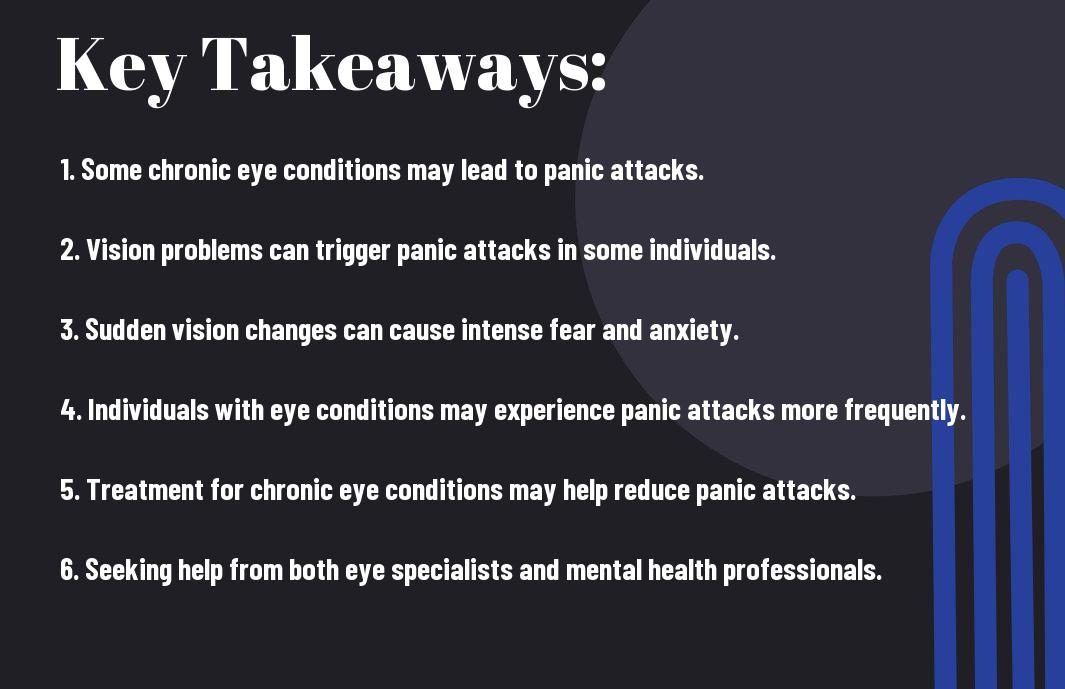
- Panic attacks can be a symptom of chronic eye conditions - It's important to recognize that panic attacks can be a manifestation of unresolved stress or anxiety related to chronic eye conditions.
- Eye conditions such as glaucoma and macular degeneration - Conditions that affect vision and have a significant impact on daily life can contribute to feelings of panic or anxiety.
- Physical symptoms of chronic eye conditions - The physical symptoms associated with chronic eye conditions, such as vision changes or pain, can also trigger panic attacks in some individuals.
- Mental and emotional impact - Dealing with a chronic eye condition can lead to feelings of fear, helplessness, and depression, which may exacerbate panic attacks.
- Importance of seeking professional help - It's crucial for individuals experiencing panic attacks related to chronic eye conditions to seek help from a healthcare professional, such as a therapist or counselor, to address their mental and emotional well-being.
- Improving overall quality of life - Managing panic attacks related to chronic eye conditions can significantly improve a person's overall quality of life and ability to cope with their visual impairment.
- Support from family and friends - Having a strong support system is essential for individuals dealing with panic attacks related to chronic eye conditions, as it can help alleviate feelings of isolation and anxiety.
The Connection Between Chronic Eye Conditions and Panic Attacks
The relationship between chronic eye conditions and panic attacks is complex and not fully understood. However, several studies have suggested a potential link between the two. It is important to explore this connection to better understand the overall impact of eye health on mental well-being.
Psychological Impact of Chronic Eye Conditions
Living with a chronic eye condition can significantly impact your psychological well-being. Vision loss or impairment can lead to feelings of anxiety, depression, and social isolation. The inability to see clearly can be distressing and may cause you to feel vulnerable and fearful. These emotional responses can potentially trigger panic attacks, especially in situations where you feel overwhelmed or out of control.
Understanding the Link: Case Studies and Research Findings
Several case studies have highlighted the correlation between chronic eye conditions and panic attacks. In a study published in The British Journal of Ophthalmology, it was found that individuals with severe vision loss were at a higher risk of experiencing panic attacks compared to those with milder visual impairment. Another study in The American Journal of Ophthalmology reported that individuals with glaucoma were more likely to develop anxiety and panic disorders. These findings suggest that the impact of chronic eye conditions on mental health cannot be overlooked.
- Study 1: Participants with severe vision loss were 4 times more likely to experience panic attacks than those with mild visual impairment (The British Journal of Ophthalmology).
- Study 2: Individuals with glaucoma had a 30% higher risk of developing anxiety and panic disorders compared to those without the condition (The American Journal of Ophthalmology).
Panic Attack Symptoms and Eye Health
Your vision is a crucial part of your overall health, and any issues with your eyes can affect your well-being in various ways. One potential consequence of chronic eye conditions is the development of panic attacks. But how exactly are panic attack symptoms related to your eye health?
Identifying Panic Attack Symptoms Related to Vision Issues
When experiencing a panic attack, you may notice certain symptoms that are directly related to your vision. Blurred vision, tunnel vision, or a heightened sensitivity to light can all be indicators of a panic attack. Additionally, feeling detached from your surroundings or experiencing visual hallucinations can also be symptoms of a panic attack related to your vision issues.
How Chronic Eye Conditions May Trigger Panic Responses
Chronic eye conditions such as glaucoma, cataracts, or retinal detachment can lead to increased stress and anxiety, which in turn can trigger panic responses. The fear of vision loss or the potential impact on your daily life can contribute to the development of panic attacks. The uncertainty and unpredictability of eye conditions may also lead to heightened anxiety, further exacerbating panic symptoms.
Management and Treatment Strategies
However, managing chronic eye conditions that may be associated with panic attacks involves a comprehensive approach that not only addresses the physical symptoms but also considers the psychological aspects. One important aspect of managing chronic eye conditions is understanding the potential impact of stress and anxiety on your eyes. There have been surprising links between stress and the eyes, with research suggesting that stress and anxiety can exacerbate symptoms of conditions such as dry eye and glaucoma, and even impact intraocular pressure (IOP).
Addressing the Psychological Aspects of Chronic Eye Conditions
It is important to recognize the psychological impact of chronic eye conditions such as anxiety and panic attacks. The fear and worry that can accompany these conditions can further exacerbate symptoms, leading to a cycle of increased stress and worsening eye health. Addressing the psychological aspects involves taking steps to manage and alleviate stress, such as practicing relaxation techniques, seeking support from a mental health professional, and finding ways to cope with the emotional burden of managing a chronic eye condition.
Comprehensive Care: Integrating Physical and Mental Health Management
Comprehensive care for chronic eye conditions requires an integrated approach that considers both your physical and mental health. This may involve working closely with your eye specialist to develop a treatment plan that addresses both the medical aspects of your condition and the psychological impact it has on your overall well-being. Remember, managing your chronic eye condition is not just about treating the physical symptoms, but also about taking care of your mental health to ensure a holistic approach to your overall wellness.

Preventive Measures and Coping Mechanisms
Now that you are aware of the potential link between chronic eye conditions and panic attacks, it's important to discuss preventive measures and coping mechanisms to manage both your eye health and anxiety symptoms. It's important to note that if you are experiencing panic attacks, it is crucial to seek professional help. You can learn more about the connection between panic attacks and eye conditions here.
Lifestyle Adjustments for Better Eye Health
One of the most crucial steps in managing chronic eye conditions and potential panic attacks is making lifestyle adjustments to improve your overall eye health. This includes maintaining a healthy diet rich in antioxidants and omega-3 fatty acids, avoiding prolonged screen time, and wearing protective eyewear when necessary. Additionally, regular eye exams are essential for early detection and treatment of any potential issues.
Techniques to Reduce Panic Attacks and Anxiety
When it comes to managing panic attacks and anxiety symptoms, incorporating relaxation techniques and mindfulness practices into your daily routine can be incredibly beneficial. This can include deep breathing exercises, meditation, and progressive muscle relaxation. It's also important to establish a strong support system and consider seeking therapy or counseling to address any underlying psychological factors contributing to your anxiety.

Can panic attacks be a symptom of chronic eye conditions?
Considering all points, it is important to remember that panic attacks can be a symptom of chronic eye conditions. If you have been experiencing panic attacks along with changes in your vision, it is crucial to consult with an eye specialist to rule out any underlying eye problems. Chronic eye conditions such as glaucoma or retinal detachment can lead to heightened anxiety and panic attacks due to the fear of losing vision. By seeking proper medical attention and treatment for your eye condition, you can alleviate the associated panic attacks and improve your overall well-being.
Can panic attacks be a symptom of chronic eye conditions?
Q: Are panic attacks commonly associated with chronic eye conditions?
A: While panic attacks are not typically a symptom of chronic eye conditions, individuals with chronic eye conditions may experience increased anxiety due to their condition.
Q: Can chronic eye conditions directly cause panic attacks?
A: Chronic eye conditions themselves do not directly cause panic attacks. However, the stress and anxiety associated with managing a chronic eye condition can potentially trigger panic attacks in some individuals.
Q: What are the potential psychological effects of living with a chronic eye condition?
A: Individuals with chronic eye conditions may experience heightened stress, anxiety, and even depression due to the impact of their condition on their daily lives, vision, and overall well-being. It is important to address these psychological effects with appropriate support and counseling.
Q: How can individuals with chronic eye conditions manage anxiety and prevent panic attacks?
A: Managing anxiety and preventing panic attacks in individuals with chronic eye conditions involves seeking support from healthcare professionals, practicing relaxation techniques, maintaining a healthy lifestyle, and seeking therapy or counseling if needed.
Q: What are some common symptoms of panic attacks?
A: Common symptoms of panic attacks include shortness of breath, rapid heart rate, chest pain, trembling or shaking, dizziness, nausea, and a sense of impending doom or danger.
Q: When should someone with a chronic eye condition seek help for anxiety and panic attacks?
A: If an individual with a chronic eye condition is experiencing persistent or severe anxiety and panic attacks, they should seek help from a mental health professional or their healthcare provider. It is important to address these issues to improve overall well-being.
Q: Can treatment for anxiety and panic attacks improve the management of chronic eye conditions?
A: Yes, addressing anxiety and panic attacks through therapy, medication, or other interventions can improve overall quality of life and potentially help individuals better manage their chronic eye conditions. It is important to address both physical and psychological aspects of health.