
Do you find yourself struggling to think creatively or solve problems when you're in the midst of a panic attack? Panic attacks can have a significant impact on your ability to tap into your creativity and find solutions to difficult challenges. When you're in the grip of intense fear and anxiety, your brain's ability to think critically and creatively becomes compromised. In fact, studies have shown that people experiencing panic attacks often have reduced cognitive functioning and may struggle to come up with new ideas or innovative solutions. If you want to learn more about the connection between anxiety and creativity, check out Anxiety and Creativity: Another View of Anxiety for valuable insights.
Key Takeaways:
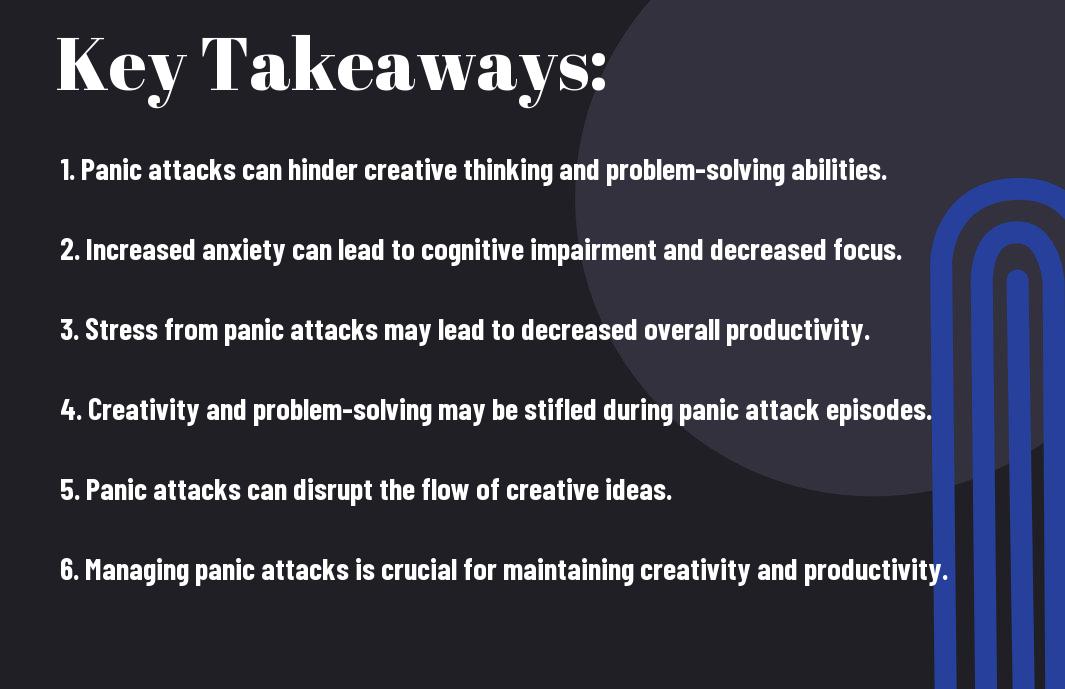
- Panic attacks can hinder creativity: The intense fear and physical symptoms associated with panic attacks can impede the ability to think creatively and come up with innovative solutions to problems.
- Impaired problem-solving skills: Panic attacks can disrupt cognitive functions, making it difficult to effectively analyze and solve problems.
- Difficulty concentrating: During a panic attack, individuals may struggle to maintain focus, leading to decreased productivity in creative tasks and problem-solving activities.
- Impact on decision-making: Panic attacks can affect the ability to make sound decisions, potentially leading to poor problem-solving outcomes.
- Emotional exhaustion: Dealing with panic attacks can drain mental and emotional energy, leading to decreased motivation and hindering the creative process.
- Reduced risk-taking behavior: Fear of triggering a panic attack may lead individuals to avoid taking risks, which can limit their ability to think outside the box and explore new problem-solving approaches.
- Need for coping strategies: Developing coping mechanisms and seeking treatment for panic attacks is crucial in maintaining creativity and problem-solving skills in the face of anxiety.
The Physiology of Panic Attacks
Any discussion about the impact of panic attacks on creativity and problem-solving skills cannot begin without understanding the physiology of these episodes. Panic attacks are intense periods of fear or discomfort that are accompanied by various physical and cognitive symptoms. When you experience a panic attack, your body reacts as if it is in immediate danger, triggering the fight-or-flight response. This response involves the release of adrenaline and other stress hormones, causing a surge of physiological changes that prepare you to deal with a perceived threat.
Physical Symptoms of Panic Attacks
During a panic attack, you may experience a rapid heart rate, sweating, trembling, shortness of breath, chest pain, dizziness, and a feeling of being choked. These symptoms can be overwhelming and make you feel as though you are losing control or having a heart attack. The intensity of the physical symptoms can be debilitating, leaving you feeling exhausted and emotionally drained.
Impact on Cognitive Functions
When you are in the grip of a panic attack, your ability to think clearly and solve problems is severely compromised. **Your mind becomes consumed by fear and worry, making it difficult to focus on anything else.** This can impair your creative thinking and problem-solving skills, as your brain is preoccupied with self-preservation, rather than expending mental energy on constructive tasks. Additionally, the heightened state of alertness and hypervigilance during a panic attack can make it challenging to process new information or find innovative solutions to problems. As a result, your cognitive functions are significantly impaired, hindering your ability to think critically and creatively.
Panic Attacks and Their Effect on Creativity
To understand the impact of panic attacks on creativity, it is important to first recognize the psychological and physiological effects that these episodes can have on the brain. Panic attacks are characterized by intense feelings of fear and anxiety, often accompanied by physical symptoms such as rapid heartbeat, sweating, and trembling. These symptoms can disrupt your thought process and make it difficult to concentrate, which in turn can impair your ability to think creatively and solve problems effectively.
The Psychology of Creativity During Stress
During times of stress, your brain shifts into a survival mode, focusing on immediate threats and prioritizing the release of stress hormones such as adrenaline and cortisol. While this response is essential for dealing with immediate dangers, it can hinder your creative thinking abilities. When you are in a state of panic, your brain is less able to access the areas responsible for innovative thinking and problem-solving, as it is preoccupied with the perceived threat.
Empirical Studies on Panic Attacks and Creative Thinking
Research has shown that panic attacks can have a detrimental impact on creative thinking. In a study published in the Journal of Anxiety Disorders, individuals with panic disorder demonstrated decreased problem-solving abilities and creative thinking during periods of heightened anxiety. This suggests that the psychological and physiological effects of panic attacks can impair your cognitive functioning, making it difficult for you to tap into your creative potential when you are experiencing a panic attack.
You may find it alarming to understand how panic attacks can significantly impair your cognitive abilities and hinder your creative thinking and problem-solving skills. The findings of empirical studies indicate the negative impact that panic attacks can have on your ability to think innovatively and come up with effective solutions. It is crucial to recognize the importance of managing and seeking professional help for panic attacks to prevent the long-term implications on your creativity and problem-solving capabilities.Panic Attacks and Problem-Solving Abilities
Now, let's dive into the impact of panic attacks on your problem-solving abilities. As you may have experienced, panic attacks can have a significant impact on your cognitive functions, including problem-solving. When you are in the midst of a panic attack, your mind may feel overwhelmed and scattered, making it difficult to focus and think rationally. This can hinder your ability to come up with creative solutions to problems and may lead to a decrease in your problem-solving skills.
Is Anxiety Impacting Your Ability To Problem-Solve?
The Role of Anxiety in Problem-Solving
When you are experiencing a panic attack, your body goes into fight-or-flight mode, releasing stress hormones such as cortisol, which can cloud your thinking and impair your problem-solving abilities. Your mind may become fixated on the source of your anxiety, making it difficult to shift your focus to finding a solution to a problem. Additionally, you may become more prone to negative thought patterns, such as catastrophizing, which can further hinder your ability to approach problems in a rational and effective manner.
Real-world Implications for Individuals with Panic Disorders
For individuals with panic disorders, the impact of panic attacks on problem-solving abilities can have real-world implications. In academic or professional settings, you may find it challenging to perform at your best when confronted with complex tasks or challenges. This can lead to feelings of frustration and self-doubt, further exacerbating your anxiety and impacting your overall well-being. It's important to recognize the potential impact of panic attacks on your problem-solving skills and seek support to develop coping strategies that can help you navigate these challenges more effectively.
Coping Strategies and Improvement Techniques
After experiencing a panic attack, it is important to focus on coping strategies and improvement techniques to help manage the symptoms and prevent future occurrences. By incorporating specific methods to manage panic attacks and enhancing creativity and problem-solving post-attack, you can effectively address the impact of panic attacks on your creativity and problem-solving skills.Methods to Manage Panic Attacks
When you feel a panic attack coming on, it's important to have a plan in place to manage the symptoms. Deep breathing exercises can help slow down your heart rate and calm your nervous system. Practicing mindfulness can also help by bringing your attention to the present moment and alleviating feelings of fear and anxiety. Additionally, progressive muscle relaxation can help release tension in your body, reducing the intensity of the panic attack. It's important to find the methods that work best for you and incorporate them into your routine to effectively manage panic attacks.Enhancing Creativity and Problem-Solving Post-Attack
After a panic attack, it's common to experience a temporary decrease in creativity and problem-solving skills. To enhance these abilities post-attack, it's important to first practice self-compassion and give yourself permission to take a break. Allow yourself to rest and recharge before attempting to tackle creative or problem-solving tasks. Engaging in activities that bring you joy can also help stimulate your creativity and boost problem-solving skills. Additionally, consistently practicing relaxation techniques can help improve your mental clarity and cognitive functioning, ultimately enhancing your creativity and problem-solving capabilities. Remember to be patient with yourself as you work on rebuilding these skills after experiencing a panic attack.Conclusion
Hence, it is crucial to recognize the impact of panic attacks on your creativity and problem-solving skills. The overwhelming fear and anxiety experienced during a panic attack can hinder your ability to think clearly and come up with innovative solutions. Additionally, the persistent worry and stress can affect your focus and motivation, making it more challenging to engage in creative activities or tackle complex problems. It is important to prioritize self-care and seek professional help to manage panic attacks and minimize their detrimental effects on your cognitive abilities.
FAQ
Q: How do panic attacks affect creativity and problem-solving skills?
A: Panic attacks can significantly hinder creativity and problem-solving skills by causing overwhelming feelings of fear and anxiety, making it difficult to concentrate and think clearly.
Q: Can panic attacks impact artistic expression?
A: Yes, panic attacks can inhibit artistic expression by disrupting the creative flow, leading to feelings of self-doubt and excessive self-criticism.
Q: Are problem-solving abilities compromised during a panic attack?
A: Panic attacks can impair problem-solving abilities as the individual's focus is often consumed by the anxiety and fear, making it challenging to assess situations and make rational decisions.
Q: Does anxiety affect the brain's cognitive functions related to creativity?
A: Yes, anxiety from panic attacks can limit the brain's cognitive functions, such as memory recall and divergent thinking, which are essential for creativity and innovation.
Q: Can panic attacks have a long-term impact on creativity and problem-solving skills?
A: Repeated panic attacks can have a long-term impact on creativity and problem-solving skills, leading to chronic self-doubt, avoidance of challenging tasks, and diminished confidence in one's abilities.
Q: How can individuals cope with panic attacks to maintain creativity and problem-solving abilities?
A: Engaging in regular relaxation techniques, seeking therapy, and practicing mindfulness can help individuals manage panic attacks, allowing them to maintain their creativity and problem-solving abilities.
Q: Are there any successful strategies for managing panic attacks to preserve creativity and problem-solving skills?
A: Cognitive-behavioral therapy, stress-reduction techniques, and creating a supportive environment are effective strategies for managing panic attacks and preserving creativity and problem-solving skills.