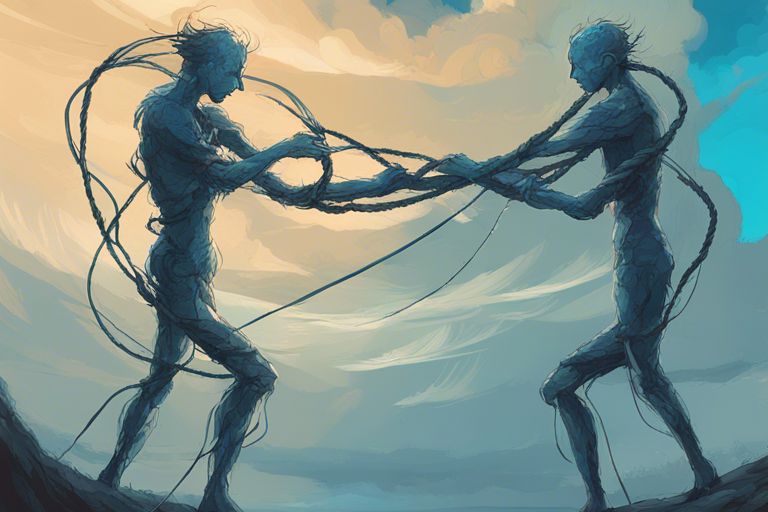
Do you ever find yourself feeling like you're completely lost in a relationship? Like you've given so much of yourself to someone else that you don't even know who you are anymore? It's time to take a step back and really evaluate the dynamic at play in your relationships. Codependency is a sneaky little thing that can disguise itself as love, but in reality, it's a dangerous pattern that can be emotionally and mentally damaging. In this blog post, we're going to dive into the signs of codependency and unhealthy relationship patterns, and explore how you can make the necessary changes to create a healthier dynamic in your relationships.
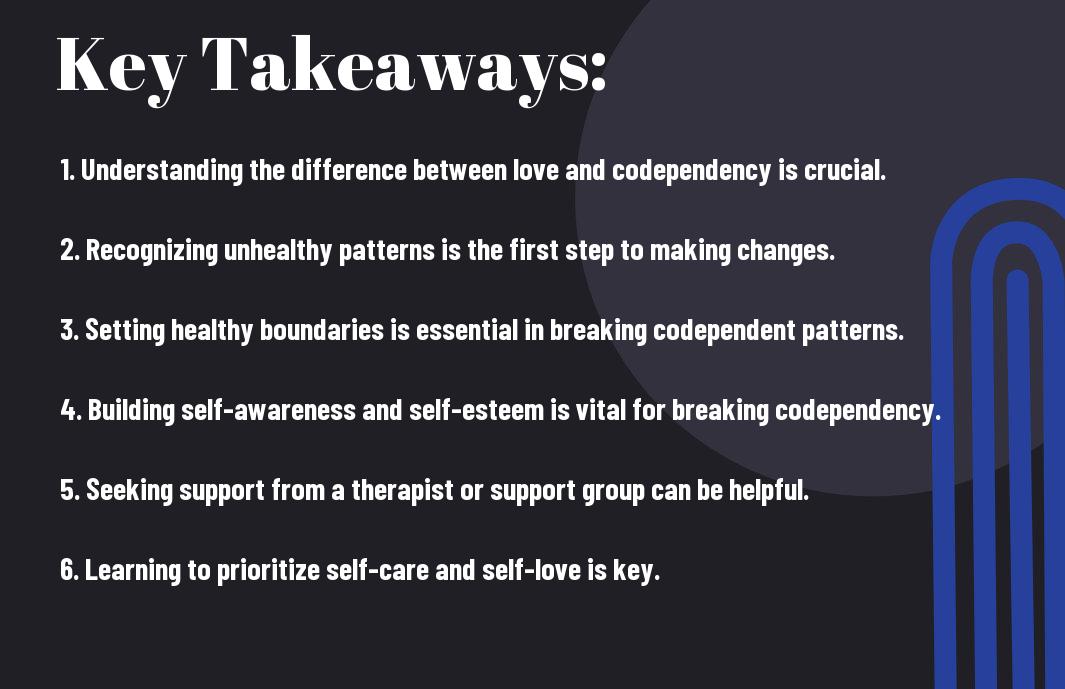
Key Takeaways:
- Recognize the signs: It's important to be aware of the red flags that indicate an unhealthy codependent relationship. Look out for excessive neediness, lack of personal boundaries, and a constant desire to please others at the expense of your own well-being.
- Understand the difference: Love and codependency may seem similar, but they are actually two very different things. Love should be based on mutual respect, trust, and support, while codependency is often rooted in fear, insecurity, and control.
- Seek support: If you suspect that you may be in a codependent relationship, don't be afraid to reach out for help. Whether it's through therapy, support groups, or talking to trusted friends and family, getting outside perspective can be crucial in making positive changes.
- Set boundaries: Learning to establish and maintain healthy boundaries is key in breaking free from codependency. It's important to prioritize your own needs and well-being, even if it means saying no to others and setting limits on how much you can give and sacrifice.
- Focus on self-care: Practice self-love and self-care to rebuild your sense of identity and independence. Engage in activities that bring you joy and fulfillment, and prioritize your physical, mental, and emotional well-being.
- Work on communication: Healthy communication is essential in any relationship. Learning to express your needs, desires, and concerns assertively and respectfully can help you break free from codependent patterns and build healthier connections with others.
- Keep learning and growing: Overcoming codependency is a journey, and it's important to stay committed to personal growth and self-improvement. Be open to learning new skills, exploring new interests, and challenging old beliefs and habits to create a more fulfilling and balanced life.
The Anatomy of Attachment
Even in the most seemingly healthy relationships, it's crucial to understand the difference between love and codependency. If you're not sure where you stand, check out this article on Love or Codependency - How to Tell to gain some clarity.
Love's True Colors: Passion or Possession?
When it comes to love, it's important to distinguish between passion and possession. Passion is a natural and healthy part of a relationship, but possession can be a dangerous and unhealthy pattern. You may feel a strong attachment to your partner, but if you find yourself constantly monitoring their every move, feeling jealous and possessive, it may be a sign of codependency. Pay attention to how you feel in the relationship and be honest with yourself about the motivations behind your actions.
The Chains of Codependency: Signs and Symptoms
Codependency can sneak up on you, disguising itself as love and care. Signs of codependency include putting your partner's needs above your own, feeling responsible for their happiness, and feeling like you cannot live without them. These behaviors can lead to a loss of your own identity and can be damaging to your mental and emotional well-being. Recognizing these signs and symptoms is the first step to making positive changes in your relationships.
The Dance of Dependency
Now, let's talk about the dance of dependency, where the lines between love and codependency often blur. It's easy to fall into the trap of becoming enmeshed in someone else's problems, feeling responsible for their well-being, and sacrificing your own needs in the process. This dance can be subtle at first, but over time, it can become suffocating and detrimental to your sense of self.
The Tug-of-War: Balancing Self and Us
When it comes to dependency, finding the right balance between caring for yourself and your partner can feel like a tug-of-war. You may find yourself torn between wanting to be there for your loved one and recognizing the importance of maintaining your own well-being. It's crucial to remember that taking care of yourself isn't selfish; it's necessary for both your own happiness and the health of the relationship. By establishing boundaries and communicating openly with your partner, you can find a healthier equilibrium.
When Helping Hurts: The Savior Complex
The savior complex is a common pitfall in codependent relationships. You may feel an overwhelming need to rescue your partner from their struggles, believing that your love and support can fix everything. However, this dynamic can be exhausting and disempowering for both of you. It's important to recognize that you can't single-handedly save someone else, and that true growth and healing often require professional help and personal accountability. By acknowledging your own limitations and encouraging your partner to seek their own path to recovery, you can break free from the damaging cycle of the savior complex.
Breaking Free from the Bonds
Not all relationships are healthy; some may entangle you in a web of codependency, leaving you feeling trapped and suffocated. It's time to break free from those bonds and regain your independence.
Self-Love: The First Responder
When you find yourself in a codependent relationship, the first step to break free is to focus on self-love. This means setting boundaries, prioritizing your own needs, and recognizing your worth. It may feel uncomfortable at first, but it's essential for your emotional well-being. Remember, you deserve to be happy and fulfilled.
Rebuilding the Wings: Strategies for Healthy Independence
Once you've started prioritizing self-love, it's time to focus on rebuilding your independence. This may involve pursuing your own interests, spending time alone, and seeking support from friends and family. Remember, you are capable of standing on your own two feet, and breaking free from codependency will only make you stronger.

Nurturing a New Garden
Unlike what you may have been used to in codependent relationships, nurturing a healthy and loving connection is like tending to a new garden. It requires patience, effort, and a commitment to doing things differently. If you're ready to break free from codependent patterns, it's important to learn how to cultivate a new kind of relationship.
Cultivating Autonomy: The Soil of Self-Worth
When you've been in a codependent relationship, it's easy to lose sight of your own worth and identity. It's time to cultivate your autonomy and self-worth by taking care of yourself and your needs. This means setting boundaries, prioritizing self-care, and learning to love and respect yourself as an individual. Don't be afraid to seek support and guidance, such as through Codependency and Enablers: Understanding and Changing ...
Companionship Without Clinginess: Planting Seeds of Trust
It's time to plant the seeds of trust in your new garden of love. This means learning how to be a supportive and loving partner without losing yourself in the process. You can nurture a healthy connection by openly communicating, respecting each other's boundaries, and allowing each other the space to grow. Remember, it's essential to trust yourself and your partner, and let the relationship develop naturally. Trust is the foundation of a healthy relationship and allows both of you to flourish as individuals.
FAQ
Q: What are some signs that a relationship might be codependent?
A: If you can't make a decision without consulting your partner, or if you feel like you're giving more than you're receiving, you might be in a codependent relationship.
Q: How do I know if I'm truly in love or just in a codependent relationship?
A: Ask yourself if you can be happy and fulfilled on your own. If the answer is no, it might be codependency. If you can't imagine life without your partner, it might be love.
Q: Can codependent relationships be fixed?
A: Yes, with awareness and effort, codependent patterns can be recognized and changed. It takes work, but it's possible to create a healthier relationship dynamic.
Q: What if I'm afraid of being alone, but I think I might be in a codependent relationship?
A: It's normal to fear being alone, but facing that fear and working on yourself can lead to healthier relationships in the future. Seeking help from a therapist can be a good first step.
Q: Are codependent relationships always toxic?
A: Not necessarily. Codependency often stems from a place of love and care, but it can become unhealthy if it leads to enabling or stifling personal growth. It's important to recognize the signs and make changes if needed.
Q: How can I break out of a codependent cycle?
A: Start by setting boundaries and learning to prioritize your own needs. Communicate openly with your partner and seek support from friends or professionals as you work to change unhealthy patterns.
Q: What are some healthy ways to show love in a relationship?
A: Healthy love involves mutual respect, support, and encouragement. It's about lifting each other up and allowing for individual growth. It's okay to lean on each other, but not to rely on each other for everything.