
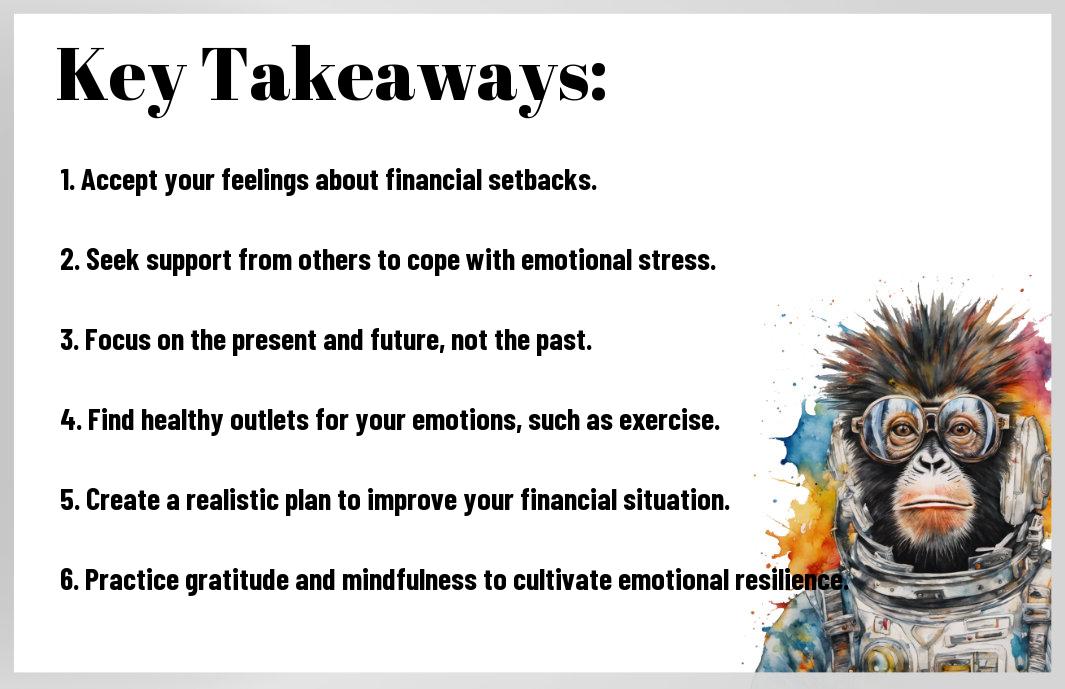
Key Takeaways:
- Understand your emotions: Acknowledge and understand the emotions surrounding your financial heartache, such as fear, guilt, or shame, in order to address them effectively.
- Seek support: Don't be afraid to ask for help from friends, family, or a professional counselor to navigate through your financial difficulties.
- Focus on what you can control: Instead of dwelling on the past or worrying about the future, concentrate on the present and take small steps towards improving your financial situation.
- Practice self-care: Take care of your physical and mental well-being by engaging in activities that bring you joy and relaxation, such as exercise, meditation, or hobbies.
- Change your mindset: Shift your perspective from feeling like a victim to empowering yourself to take control of your financial future.
- Set realistic goals: Establish achievable financial goals and create a plan to work towards them, one step at a time.
- Stay patient and persistent: Overcoming financial heartache takes time and effort, so be patient with yourself and stay persistent in your efforts to improve your financial well-being.
Identifying the Emotional Impact of Financial Strain
If you are facing financial strain, it's important to recognize the emotional impact it can have on you as a provider. Financial stress can lead to a range of emotions, including anxiety, depression, and a sense of helplessness. It is crucial to identify and understand these emotions as the first step to overcoming them.
Recognizing the Signs of Financial Stress
When you are experiencing financial strain, you may notice certain signs of stress manifesting in your daily life. These can include constant worrying about money, difficulty sleeping, irritability, and changes in appetite. You may also find yourself withdrawing from social activities or feeling overwhelmed by everyday tasks. It's important to recognize these signs early on so that you can take steps to address them.
Coping Mechanisms for Providers
As a provider facing financial strain, it's essential to develop healthy coping mechanisms to help manage your emotions. This might include seeking support from trusted friends or family members, practicing stress-reducing activities such as meditation or exercise, and seeking professional help if needed. Additionally, creating a realistic budget and financial plan can help you regain a sense of control and stability in your life.
Emotional Strategies for Financial Healing
Now that you have faced financial heartache, it is important to focus on emotional strategies for healing. Your mental and emotional well-being plays a significant role in your ability to overcome financial challenges and create a stable future for yourself and your loved ones. By implementing emotional strategies, you can work towards a healthier relationship with money and greater financial resilience.Mindfulness and Financial Decision-Making
Practicing mindfulness can be a powerful tool in managing your financial decision-making. When you are mindful, you are able to focus on the present moment and make decisions based on a clear understanding of your current financial situation. By cultivating awareness of your emotions and thoughts around money, you can make more deliberate and informed choices. Mindfulness also helps you to avoid impulsive financial decisions that may worsen your financial hardships. By taking a moment to pause and reflect before making a financial choice, you can prevent further stress and setbacks.Building Emotional Resilience in Face of Economic Hardship
Building emotional resilience is crucial in facing economic hardship. Resilience allows you to bounce back from financial setbacks and maintain a positive outlook on the future. One way to build emotional resilience is to practice self-care and take care of your mental and emotional well-being. This can involve engaging in activities that bring you joy, connecting with supportive friends and family, and seeking professional help if needed. By prioritizing your emotional health, you can navigate financial challenges with strength and perseverance.
Advanced Techniques for Providers
Keep your emotional strategies for handling financial heartache strong and effective by incorporating advanced techniques into your practice. Here are some advanced techniques for providers to consider:
- Continue to educate yourself on the relationship between money and mental health, Money Anxiety: Signs, Causes, How to Handle It.
| Signs of Money Anxiety | How to Handle Money Anxiety |
| Constant worrying about finances | Seek financial therapy or counseling |
| Avoiding financial responsibilities | Develop a realistic budget and financial plan |
Navigating Client Emotions and Financial Discussions
When discussing financial matters with your clients, it's essential to navigate their emotions in a sensitive and empathetic manner. Acknowledge their feelings of stress and anxiety around money, and create a safe space for open and honest discussions. Remember that your clients may experience shame or embarrassment about their financial situation, so approach the topic with compassion and understanding. Encouraging them to express their emotions can lead to a more productive and positive financial counseling experience.
Integrating Financial Literacy with Emotional Support
Integrating financial literacy with emotional support is crucial for helping your clients overcome financial heartache. By empowering them with the knowledge and skills to manage their finances, you can alleviate their anxiety and stress. Teach them the basics of budgeting, saving, and investing, while also addressing the emotional impact of their financial decisions. You can provide practical tools and resources to help them build financial resilience and emotional well-being.
Long-Term Financial and Emotional Well-being
For many providers, the aftermath of financial heartache can have long-lasting effects on both your financial stability and emotional well-being. It is crucial to address these long-term impacts and work towards finding a balance between your financial and emotional health.
Creating a Sustainable Recovery Plan
After experiencing financial heartache, it's important to create a sustainable recovery plan that will help you regain your financial stability and emotional well-being. This involves taking a close look at your current financial situation and developing a realistic budget that allows you to gradually recover from the setback. Building an emergency fund can also serve as a safety net for any future unexpected expenses or financial challenges. Making small, manageable financial goals and focusing on meeting them can provide a sense of accomplishment and progress, which can greatly boost your morale and motivation.
Cultivating Hope and Positive Outlook
One of the key strategies for overcoming financial heartache is cultivating hope and maintaining a positive outlook. It's natural to feel overwhelmed and discouraged after experiencing a financial setback, but maintaining a positive mindset can make a significant difference in your long-term recovery. Surrounding yourself with a strong support system, whether it's family, friends, or a financial counselor, can provide the encouragement and reassurance you need. Additionally, focusing on the lessons learned from your financial heartache and using them as a tool for personal and financial growth can help you develop a renewed sense of determination and optimism for the future.
This approach will not only support you in striving towards a stable financial future but also help you in preserving and nurturing your emotional well-being. By prioritizing your financial and emotional health, you can gradually overcome the heartache and build a more secure and fulfilling future.Overcoming Financial Heartache - Emotional Strategies for Providers
Now that you have learned about the emotional strategies for overcoming financial heartache as a provider, you can begin to implement these techniques in your own life. By acknowledging your emotions, seeking support, and practicing self-care, you can begin to heal from the stress and anxiety that comes with financial difficulties. Remember that it is okay to experience these emotions, and by taking proactive steps to address them, you can create a healthier relationship with money and work towards financial stability. With time and dedication, you can overcome financial heartache and thrive as a provider.
FAQ
Q: What is financial heartache for providers?
A: Financial heartache for providers refers to the emotional distress and anxiety that arises from financial challenges in the healthcare industry, such as reimbursement cuts, billing issues, and managing increasing costs.
Q: What are some common emotional challenges providers face when dealing with financial issues?
A: Providers often experience feelings of hopelessness, frustration, and stress when facing financial difficulties. They may also struggle with feelings of inadequacy and concern for the impact on patient care.
Q: What are some effective strategies for overcoming financial heartache as a healthcare provider?
A: Strategies for overcoming financial heartache include seeking support from colleagues, utilizing stress management techniques, and developing a proactive approach to financial planning and management. It can also be helpful to seek out resources and education on financial wellness.
Q: How can providers prioritize self-care while managing the emotional toll of financial challenges?
A: Providers can prioritize self-care by setting boundaries, taking time for personal activities and hobbies, seeking therapy or counseling, and actively addressing the stress and emotional strain through mindfulness and relaxation techniques.
Q: What are some long-term strategies for building resilience in the face of financial heartache?
A: Long-term strategies for building resilience include developing a strong professional network, continuously seeking opportunities for professional development, and staying informed about changes in the healthcare industry. Establishing a financial safety net and seeking guidance from financial advisors can also contribute to long-term resilience.