
Welcome to 'Overcoming Money Woes - A Guide to Emotional and Financial Healing'. Do you find yourself constantly stressed about your finances, struggling to make ends meet, and feeling hopeless about your financial situation? You are not alone. Financial stress can take a toll on your emotional well-being and overall quality of life. But the good news is, you have the power to take control of your finances and heal both emotionally and financially. In this blog post, we will provide you with practical tips and strategies to help you overcome your money woes and create a healthy relationship with your finances. From budgeting and saving to changing your mindset around money, we will cover everything you need to know to transform your financial situation and achieve peace of mind. It's time to take the first step towards financial healing.
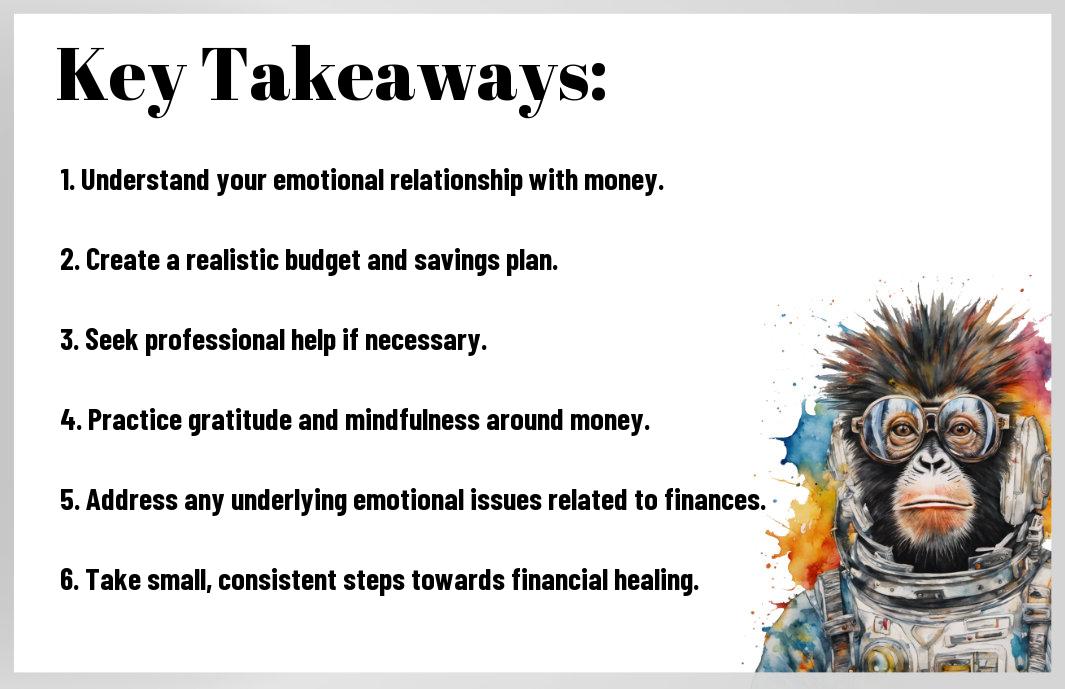
Key Takeaways:
- Understanding the Emotional Roots: Many money issues stem from emotional trauma or beliefs, and understanding the emotional roots is crucial for healing.
- Building Healthy Financial Habits: Developing healthy financial habits is essential for overcoming money woes and achieving financial freedom.
- Seeking Professional Help: It's important to seek professional help, such as financial counseling or therapy, to address deep-seated emotional issues related to money.
- Practicing Self-Compassion: Practicing self-compassion and forgiveness is necessary for healing from past financial mistakes and trauma.
- Creating a Realistic Financial Plan: Creating a realistic financial plan and sticking to it can help in regaining financial stability and security.
- Breaking the Cycle: Breaking the cycle of negative financial patterns requires self-awareness, commitment, and determination.
- Connecting with Supportive Networks: Connecting with supportive networks, such as friends, family, or support groups, can provide the necessary emotional and financial support during the healing process.
Assessing Your Financial Health
Obviously, the first step in overcoming your money woes is to assess your current financial health. This involves taking a deep dive into your income, expenses, assets, and debts to get a clear picture of where you stand financially. By understanding your current financial situation, you will be better equipped to make the necessary changes to improve it.
Recognizing Unhealthy Financial Habits
When assessing your financial health, it's important to recognize any unhealthy financial habits that may be holding you back. This could include overspending, impulse buying, living beyond your means, or neglecting to save for the future. These habits can have a detrimental impact on your financial well-being, leading to debt, stress, and a lack of financial security. By recognizing and addressing these unhealthy habits, you can take the first step towards a healthier financial future.
Creating a Personal Balance Sheet
One key tool in assessing your financial health is to create a personal balance sheet. This involves listing all of your assets, such as savings, investments, and property, as well as your liabilities, such as loans, credit card debt, and other financial obligations. By calculating your net worth, you can get a clear understanding of your financial position. This exercise can help you identify areas for improvement and track your progress as you work towards financial healing.
Emotional Aspects of Money Management
Despite being a practical matter, managing money is often emotionally charged. Your beliefs, experiences, and values influence how you handle finances. It's essential to recognize and address the emotional aspects of money management to achieve financial stability and well-being.
Identifying Emotional Triggers in Spending
One of the first steps in overcoming money woes is identifying the emotional triggers that lead to impulsive or excessive spending. Whether it's stress, low self-esteem, or a need for validation, certain emotions can drive you to make poor financial choices. By reflecting on your spending habits and paying attention to your emotions when making purchases, you can start to identify the triggers behind your money-related behaviors. Understanding these triggers is crucial in developing healthier, more mindful spending habits.
Building Resilience Against Financial Stress
Financial stress is a common challenge that can take a toll on your emotional well-being. To build resilience against financial stress, it's important to focus on developing positive coping mechanisms and a strong support system. This may include seeking professional help, engaging in relaxation techniques, and practicing self-care. Remember that your resilience in the face of financial stress is key to overcoming money woes and maintaining a healthy relationship with money. Developing a sense of control and stability will help you navigate challenging financial situations with a clear and empowered mindset.
Practical Steps to Financial Recovery
Unlike emotional healing, which takes time and self-reflection, financial healing requires you to take practical steps to overcome your money woes. By implementing these steps, you can regain control of your finances and start on the path to financial recovery.
Developing a Sustainable Budget
Creating a sustainable budget is the first step towards financial recovery. Start by tracking your expenses and categorizing them into essential and non-essential spending. This will give you a clear picture of where your money is going. Next, outline your monthly income and allocate specific amounts to cover essential expenses such as housing, utilities, groceries, and transportation. Be sure to also include a portion for savings and any outstanding debt repayments. By creating a budget that aligns with your income and prioritizes essential expenses, you can regain control of your finances while avoiding unnecessary financial strain.
Strategies for Debt Reduction
If you're burdened by debt, developing a strategy for debt reduction is crucial for your financial recovery. Start by prioritizing your debts based on interest rates and outstanding balances. You can use the snowball method by paying off the smallest debts first and then using the freed-up funds to tackle larger debts. Alternatively, you can use the avalanche method by paying off debts with the highest interest rates first. Whichever method you choose, make sure to consistently allocate a portion of your income towards debt repayment until all debts are cleared. Additionally, consider reaching out to your creditors to negotiate payment plans or interest rates, which can help alleviate the burden of debt and accelerate your journey towards financial freedom.
Long-Term Financial Wellness
After overcoming your immediate money worries, it's important to focus on long-term financial wellness. This involves creating a sustainable plan for your future financial stability and security. Long-term financial wellness is about making smart choices that will benefit you in the long run, rather than seeking quick fixes or temporary solutions.
Investing in Your Financial Education
One important aspect of long-term financial wellness is investing in your financial education. This means taking the time to learn about personal finance, budgeting, investing, and other financial topics. By educating yourself, you can make informed decisions about your money and avoid common pitfalls. There are many resources available, such as books, online courses, and workshops, that can help you improve your financial literacy and make better financial choices.
Planning for the Future: Goals and Retirement
Another crucial part of long-term financial wellness is setting clear financial goals and planning for retirement. By defining your financial goals, you can create a roadmap for your future and make sure you are working towards a secure financial future. This may involve saving for major expenses like buying a home or paying for your children's education, as well as building a nest egg for retirement. Planning for retirement is particularly important, as it ensures that you will be able to maintain your standard of living once you stop working. By setting specific retirement goals and regularly contributing to a retirement account, you can set yourself up for a comfortable and secure retirement.

Overcoming Money Woes - A Guide to Emotional and Financial Healing
Taking this into account, it is important for you to recognize that money woes can have a significant impact on your emotional well-being. By acknowledging and addressing the emotional aspects of your financial struggles, you can begin to heal and move forward towards a more positive relationship with money. This guide has provided you with strategies and techniques to help you overcome your money woes, and with dedication and perseverance, you can work towards a healthier financial future. Remember that seeking help and support from professionals or loved ones is a sign of strength, and it is okay to ask for assistance when dealing with financial and emotional challenges. Keep the tips and advice provided in this guide in mind as you embark on your journey toward emotional and financial healing.
FAQ
Q: What is "Overcoming Money Woes - A Guide to Emotional and Financial Healing" about?
A: "Overcoming Money Woes" is a comprehensive guide that offers practical strategies and insights to help individuals address the emotional and financial challenges related to money management. It provides guidance on building a healthy relationship with money and creating a sustainable path towards financial well-being.
Q: What are some common signs of money woes?
A: Common signs of money woes include chronic stress or anxiety related to finances, overspending, inability to save, and avoiding financial responsibilities. These signs can also manifest in physical symptoms such as headaches or stomach issues. This guide helps individuals identify these signs and provides tools to address them.
Q: How can emotional healing impact financial well-being?
A: Emotions and finances are closely intertwined. Unresolved emotional issues can often lead to poor financial decision-making and money management. Emotional healing can provide individuals with the clarity and stability needed to make sound financial choices and build a secure future.
Q: What practical tips are included in the guide?
A: The guide includes practical tips for creating a budget, managing debt, and saving for the future. It also provides strategies for changing limiting beliefs around money and developing a positive mindset towards finances. Additionally, it offers guidance on seeking professional support when needed.
Q: Is "Overcoming Money Woes" suitable for everyone?
A: Yes, this guide is designed to be beneficial for individuals from all walks of life. Whether you are struggling with debt, aiming to improve your financial literacy, or seeking emotional healing in the context of money, the information and resources provided in this guide can be valuable for anyone looking to overcome money woes and achieve financial well-being.